Category

News & Features

No News Is Bad News

By Marty Kaplan

This month, the Pew Research Journalism Project reported how Americans get their news at home.  If you think it’s from the Internet, you’ll be surprised that the 38 percent of us who access news at home on a desktop or laptop spend an average of only 90 seconds a day getting news online.  America’s dominant news source is television, and the disparity between heavy viewers of TV news and everyone else is as startling as the gap between the plutocrats and the people.


The Rise of Neo-Burlesque

By Gabriella Tutino

Part of the appeal of burlesque and neo-burlesque is its promotion of female empowerment, sexuality and acceptance of women of all shapes and sizes. The average woman is not the same size as the models we see on billboards and in magazines; there’s a thrill and appreciation at seeing these performers comfortable in their own skin. Burlesque performer Grace Gotham says in an interview with Scott Schuman that burlesque allows her to celebrate and explore her sensuality in a safe space. 

Thousands of Health Policies Canceled Due to ACA Change

By Viji Sundaram

Belay is among some 120,000 Blue Shield customers -- which represent about 60 percent of its individual market -- who received such a letter in recent weeks. Other insurance companies have cancelled policies, telling their customers that their existing policies fall short of the 10 “essential health benefits” the ACA requires all plans to include beginning Jan.1, 2014, the day the health care law is fully implemented. 

Can Immigration Reform Save the Troubled GOP?

By Elena Shore

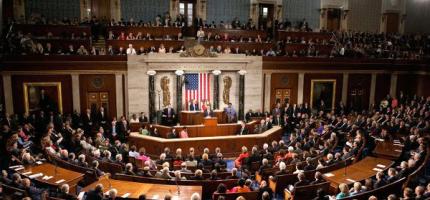
The Republican Party emerged from the partial government shutdown with record low approval ratings. Now, some analysts say the key to their survival could be their leadership on immigration reform. The strategy House Republicans decide to take on this issue could determine their viability in the next election. But while it’s unclear what their next move will be, news reports indicate they may be less at a standstill than we thought.

The Continuous Failure of the Tea Party

By Dave Helfert

Okay, everybody who thinks the Tea Party and the other rightwing nuts and bolts in Congress have learned a difficult but valuable lesson, take one step forward.  Not so fast. The far right’s immediate reaction to overwhelming rejection of Tea Party priorities by the American public has been to take a step back, shake their heads a little and get ready for the next fight in January.  And make no mistake: there will be another fight in January.

Russia vs. Greenpeace: The Battle for the Arctic

By Zahra Hirji

An environmental organization with a $350 million war chest, a giant protest vessel, 28 activists and a rubber raft have succeeded in drawing Russian President Vladimir V. Putin into a very public global dispute. Attention is now focused on the Greenpeace activists who were arrested last month by Coast Guard agents for trying to hang a protest banner on an Arctic Ocean oil platform and whether they will languish in prison for up to 15 years each on dubious piracy charges.

The Government Shutdown Ended. What Now?

By Bob Neuman

The shutdown has ended…and now for the showdown. Recent polls show the great majority of Americans are unrepresented in the Congress. And it is time for them to exercise their muscle. The problem is that the hard right and the hard left have an advantage because of unfettered campaign funding in controlling the purchase of advocacy advertising and lavish funding given to candidates of their likemindedness, left and right, far extreme from the center.

Have We Done Enough to Prevent Another Financial Catastrophe?

By Mark Goebel

More than three years after Dodd-Frank financial reform was signed into law by President Barack Obama and five years since Lehman Brothers failed, touching off a global financial crisis, U.S. financial markets remain vulnerable to the kind of meltdown that brought the economy to its knees in 2008. Dodd-Frank –which is supposed to prevent large financial institutions from taking excess risk of the kind that caused JP Morgan to lose more than $6 billion on a series of failed derivatives trades in London—is slowly but surely being watered down.