Category

healthcare

2024 Election: Why Kamala Harris’s Policies Make Sense for Americans

By Angelo Franco-DeWitt

The choice comes down to what kind of future we want. Kamala Harris represents a path forward with thoughtful, fact-based solutions to the challenges we’re facing—whether it’s keeping inflation in check, creating future-ready jobs, or maintaining America’s leadership on the global stage.


Healthcare in Crisis: Focusing on Primary Healthcare and Public Health in the U.S.

By Stephen Bezruchka

The science of public health has evolved since the 18th century, when it focused on isolating the ill and quarantining those exposed to diseases to prevent transmission of infection. In the 19th century, the focus was on sanitation, especially separating fecal contamination from food and water. Living conditions improved tremendously as a result. With the understanding of infectious disease transmission in the early part of the 20th century, the focus shifted to immunizations and infection control.

Welcome to Mongolia: A Great Place to Die

By Andrew North

Opioid medications still require a special form, as in most countries worldwide. But a much wider range of professionals can now prescribe them, including oncologists and family doctors. This has led to a 14-fold increase in their use in the country from 2000 to 2014, according to Mongolian Health Ministry figures. Khandsuren is an oncologist by training, and now oversees opioid prescriptions for all the hospital’s outpatients. The majority are still people with cancer, but non-cancer patients have become more common.Every district hospital in the country now has a pharmacy like this one.

Media Hype and the Myth of Ageless Baby Boomers

By Paul Kleyman

At the same time, the media’s appeal to older Americans too often translates into marketable nostalgia for the Sixties (cue PBS pledge break here!) and with fiftieth anniversaries, some of them truly historic (the Selma march, the moon landing, three shattering assassinations), and some of more questionable gravity (Woodstock, Altamont, and, yes, the Summer of Love). My view, from more than a half-century in the countercultural epicenter of San Francisco, is that the headlines have largely missed the essential stories of (cue The Who) “M-m-my Generation.”

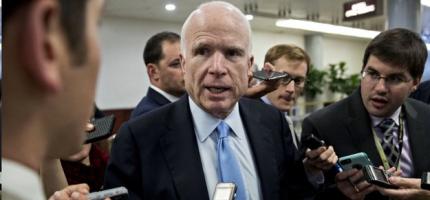
McCain’s Health Battle Casts Ugly Glare on GOP Healthcare Assault

By Earl Ofari Hutchinson

The high-risk pools that McCain touts supposedly would move thousands of medically indigent persons in pools to ensure low cost access to coverage. In fact it would do just the opposite. The bulk of those in the pool would be the sickest and most in need of continuous medical treatment. They would pay more, not less for that coverage. To cover the high cost of maintaining these pools, states would have to pony up more tax dollars or impose premium assessments on insurers who in turn would simply hike their prices to cover the assessments. 

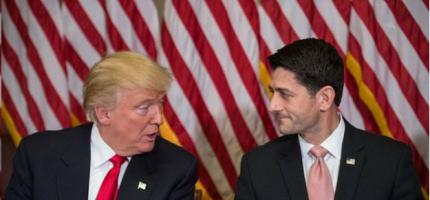
The Problem With the Republican Healthcare Plan

By Marty Kaplan

They must be baffled by how devoid of mojo their old battle cries have become. “Jobs-killing Obamacare” packs no punch in an economy that’s added more than 10 million jobs since the Affordable Care Act passed. “Disaster” and “death spiral” sound demented to someone who’s gone from no insurance to comprehensive coverage. “Higher premiums, higher deductibles, higher co-pays” may in some cases be accurate, but for Americans long suffering from rising prices, the real news is the slowing of the rate of increase.

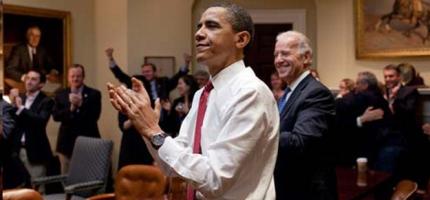
How Obamacare Improved Americans’ Health

By Yanick Rice Lamb

If the Affordable Care Act (ACA) is even partially dismantled, 18 million people could become uninsured within a year, according to a new report from the Congressional Budget Office (CBO). That number could nearly double to 32 million by 2026, the CBO estimated, if the Medicaid expansion is rolled back and subsidies cut to those who paid for insurance through the marketplaces set up under the ACA.

The Dangers of Repealing Obamacare

By Viji Sundaram

Approximately 20 million people have gotten coverage since the launch of Obamacare. Trump has yet to reveal details of what he plans to do to the 2010 Affordable Care Act, aka Obamacare, other than to say that he intends to dismantle it soon after he takes office. It’s likely that some parts of it will be left untouched – like the pre-existing condition provision – and replacement could be delayed by a couple of years.