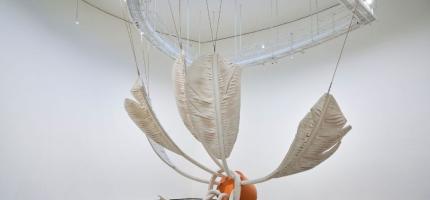
Pop Art Is Back in Town at the Guggenheim
I was curious about the role that a venerable institution like the Guggenheim played in Pop Art’s evolution.


Category
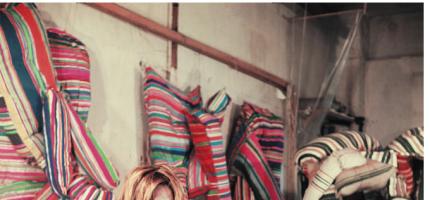
Some artists make a splash from their first entrance. With enough talent, timing, and tenaciousness it’s almost a given. In the case of Argentinian-born Marta Minujin, she possesses all those attributes and more. Over a six-decade career that embraced soft post-war soft sculptures, large-scale fluorescent paintings, psychedelic drawings, and pioneering pop art performances, she has collided head-on with her critics.

With such a rich panoply of artworks on display, it’s easy to be distracted from the long and impressive artistic trail of WalkingStick that precedes this single exhibition. Admittedly, this “dialogue” between the centuries is an illuminating effort, but it is WalkingStick’s own commitment to the natural world and affinity to her racial heritage in her art that stands out.
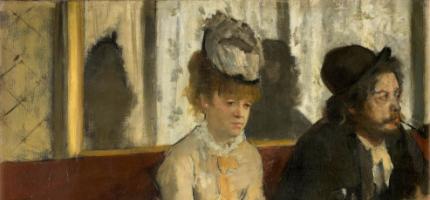
This exhibition, in collaboration with the Musees D’Orsay and L’Orangerie, is so robust and comprehensive, each viewer will have to make his or her choices on where to focus. In addition to standout masterpieces by both artists, there are historical paintings, wartime depictions, beach scenes and seascapes, the latter luscious treats for any pair of eyes.

The title of the exhibition, Inheritance, was based on Ephraim Asili’s first feature-length film, a re-enactment of the Black Marxist collective, MOVE. This black liberation organization, founded in 1972, was bombed by the Philadelphia police in 1985 due to numerous complaints in the community. The film is presented in its entirety and serves as an example of how its filmmaker used his subject matter to explore what kind of organization can exist to uphold inherited freedoms within the society at large.
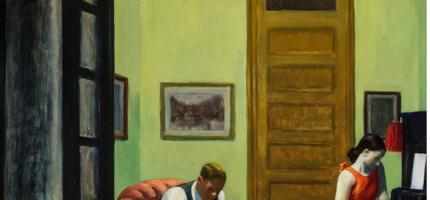
The Whitney is ground zero for promoting and preserving the legacy of this iconic genius. Its holdings comprise 3,100 works and represent 10 percent of the entire collection. The first painting purchased was Early Sunday Morning (1930). It is a study in isolated storefronts, a horizontal view where a barber pole and a fire hydrant seem to be stand-ins for an absent populace. It’s as good a place as any to begin our journey to understand Hopper’s obsession with the city.
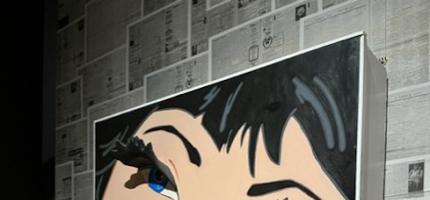
There are set pieces to stumble upon, with Danish armchairs and plastic ashtrays placed in front of a black-and-white TV playing The Munsters, that evil family of witches that look pretty benign by today’s standards. Life magazine covers and poetry journals celebrating the likes of Frank O’Hara and Ed Sanders proliferate and wallpaper kitschy enough to put a smile on even the most erudite in the crowd.
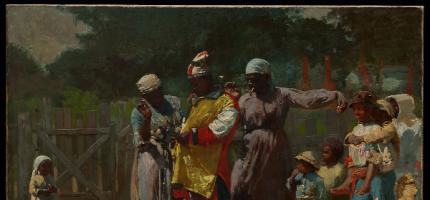
Dressing for Carnival,(1877) features a Black man being sewn into his Harlequin costume by family members for a traditional African celebration. Is this a promise of better times for these former slaves, which the wall notes suggest? Perhaps. A helpful hint to visitors would be to let the magnitude of the art speak for itself first, then use the history lesson as needed. A good example is The Cotton Pickers (1876). A pair of hardy muscle-bound women fills the canvas. Their dark forms cut into the foreground, contrasted by the clusters of snowy cotton in their shoulder bags. The image needs no explanation.