

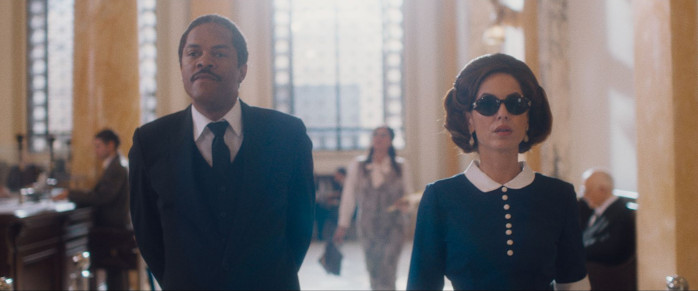
Seeing the main character go through their arc is one of the most important aspects of any good film. Mistura (directed by Ricardo de Montreuil -- Seine Pictures) is a solid historical drama from Peru that has a lot going for it, but its main character evokes considerable frustration, while watching what is otherwise a great film.
Norma is the daughter of the French ambassador to Peru and has lived her whole life in a bubble of high society. She’s left devastated after her husband cheats on her and elopes with his new lover. Norma is spoiled and stuck-up, so, understandably, she’s rather cold toward her chauffeur, Oscar, and live-in servant, Rosa, even though they only show her kindness.

Despite some very good performances from the cast, those early scenes present some problems with the characters. Oscar shows a supernatural dedication to Norma, even though she’s done nothing to earn it. He’s clearly attracted to her, but there’s very little chemistry between the two, and every time they start to develop a real bond, she quickly reminds him that she believes herself to be above the working class.
As Norma struggles to figure out what to do with her life, Oscar suggests she open a restaurant because she seems happy while making food. There’s hardly any buildup to the scene, so the suggestion seems random. Still, starting a new business is a tried-but-true plot device that helps kick the pace into the next gear.
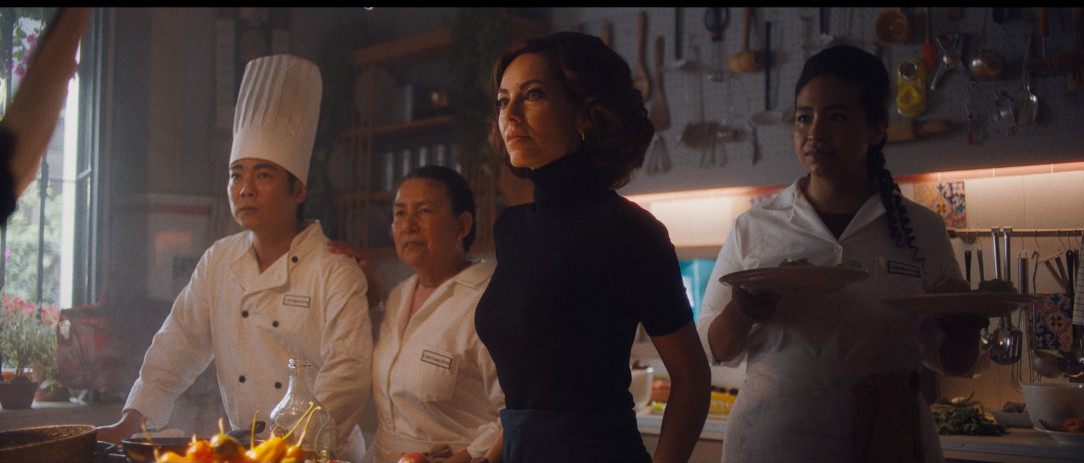
The preparation of getting everything ready for the restaurant would have been the perfect time for Norma to shed her prejudices and come out of her bubble. The setting of Lima in the 1960s is supposed to work in tandem with her character arc, but it ends up feeling disjointed.
It was a time of political upheaval in Peru, as the working class protested for better rights. And Lima was a melting pot of European, African, and Asian cultures, where the higher class embraced Americanization and looked down upon those who weren’t White – such as high-class people like Norma, who starts to feel the sting of prejudice only after her husband leaves her.

The main problem with Norma’s character is that it takes her until the end of the film to really change. As the plot goes on and her restaurant fails to maintain a stream of customers, she is saved by the kindness of those around her. It’s supposed to be a feel-good moment, but it’s one that Norma didn’t earn.
Still, the other strengths of the film, like its solid performances and intriguing depiction of Lima in the 1960s, do a lot to give the film great heart. I loved the scenes that showed characters making food because the care that goes into the diverse dishes gives the movie a feeling of warmth and comfort. It also mirrors the rich diversity of Peru.
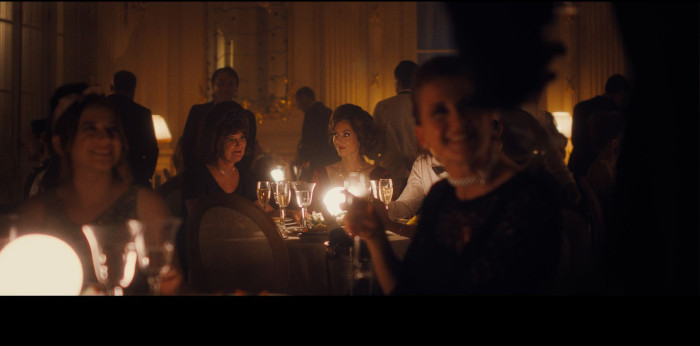
Many scenes make Mistura seem like a soap opera that has been turned into a feature-length movie. Norma’s character and her relationship with Oscar present an inconsistent core -- even if everything works out by the end. The positive here is that all the other elements in the film help patch up those cracks.
Author Bio:
Ulises Duenas is a senior writer and film critic at Highbrow Magazine.
For Highbrow Magazine