

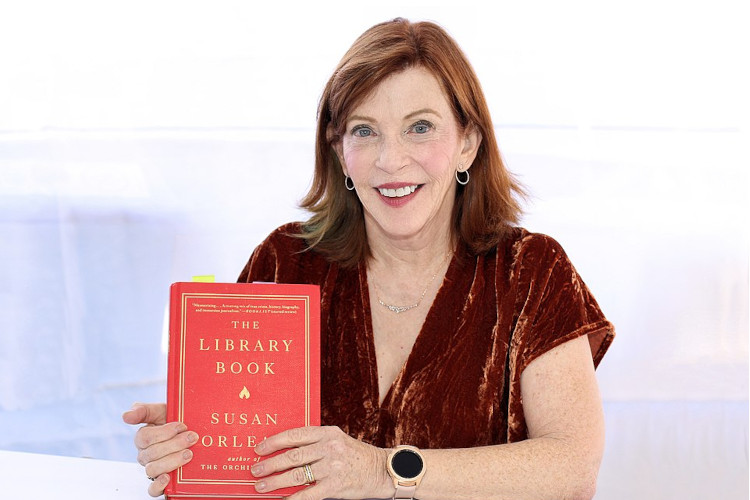
(Larry D. Moore, Wikipedia Commons)

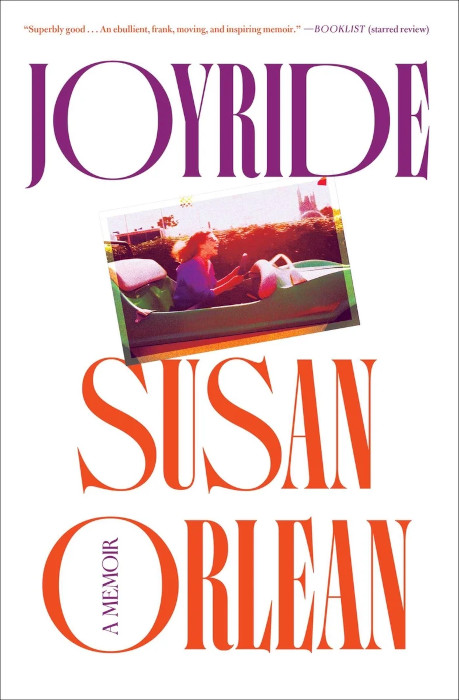
Joyride: A Memoir
By Susan Orlean
Avid Reader Press
353 pages
Early on in her new memoir, Joyride, Susan Orlean, a staff writer for The New Yorker, describes her approach to writing:
“I became a writer because I wanted to describe the people and places around me, particularly the ones that were least likely to be noticed. The nooks and crannies of the world, the odd and original shape of people’s lives, the passion that we bring to those things that matter to us—the way we try to make our lives make sense and the way we struggle to fit ourselves into the world, the unlikely alignments of disparate elements bounced together by accident or magic—these are the subjects that fascinate me and seem important to understand and illuminate.”
In case we don’t get the point, Orlean (author of The Orchard Thief and The Library Book), reminds us numerous times that she falls into one of two categories of writers: “those who have something they want to say to the world, and … those who believe the world has something to tell them. I’m wholly of the second sort.”
This minor quibble aside, Joyride is an entertaining, not to say, breezy account of Orlean’s life, loves, and a career of nonfiction reporting that spans several decades. Her memoir quickly beguiles the reader with its candid and thoughtful account of, most especially, her writing life.
Her career started at an alternative newspaper in Portland, Oregon, before she went on to write for Esquire, Rolling Stone, and Vogue. Her typically eclectic subject matter ranged from a profile of a New York City cabdriver (and king of Ghanaian Ashanti tribespeople) to a penetrating look at the guru Bhagwan Shree Rajeesh.

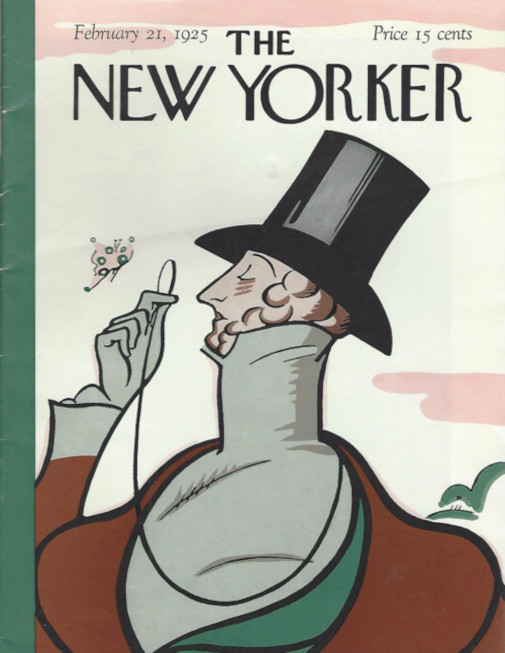
Orlean’s goal was landing a gig at The New Yorker. The day finally arrived when, after submitting clips of her work, the offer came to write for the magazine’s “Talk of the Town” section. From there, she went on to report on a head-spinning array of subjects—female bullfighters, the international black market in orchids, the glitzy world of show dogs, and so on.
During some of this time, Orlean tells us, her personal life crashed against the shoals. She and her husband struggled in vain to overcome challenges that sometimes crop up in a marriage. Her account of what went wrong, and how she picked herself up after the divorce (finding marital bliss the second time around, the birth of a child) is refreshingly frank and unabashed.
To this day, writing remains the governing passion of her life. In Joyride, she makes some bold assertions about her chosen profession:

“Writing in all its forms is the essence of human interaction. It is the way we organize the world and the information that floats through it, the churning experience of being alive; it is the gesture we use to make ourselves known and to know others … We write to express the whirring in our heads, the thousand thoughts and impressions that are private, internal, invisible, until they spill out into being, made present by language. Talking does that, and writing does, in a more permanent way.”
As the memoir progresses, we read about Orlean’s fascinating love-hate relationship with Tina Brown, the visionary editor who dramatically changed the tenor of The New Yorker. To her surprise, she clicks with the groundbreaking editor and goes on to write many lengthy articles for the publication.
Joyride expertly captures Susan Orlean’s passion for writing nonfiction, a passion many readers will find infectious and rewarding.
Author Bio:
Lee Polevoi, Highbrow Magazine’s chief book critic, is the author of The Confessions of Gabriel Ash, a novel.
For Highbrow Magazine