
Category

unemployment

The Illegal Background Check Boom

By Kai Wright

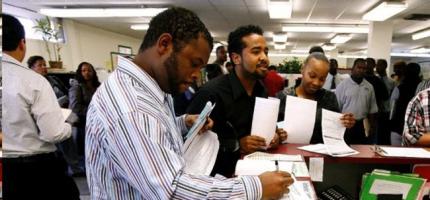
Rivera is part of an uncounted population of formerly convicted or incarcerated people trying to find work in a hostile economy. They are failing, by and large, thanks to the illegal but still widespread practice of employers rejecting applicants or firing workers solely because they have criminal records. A growing movement is pushing states to “ban the box,” or more closely regulate when and how employers can ask about criminal records on job applications. 
The Current Unemployment Crisis Facing Minority Youths

By Imara Jones

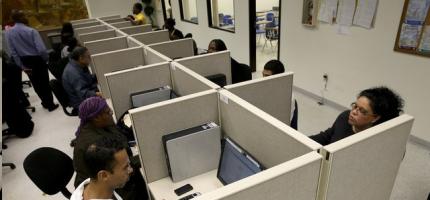
As the White House prepares to launch a major economic opportunity effort, record high unemployment among black and Latino youth underscores how essential it is to create job opportunities for young people of color. The critical issue here is that the ages of 16 to 24 are make or break years for lifelong earning potential. With one out four blacks and one out of six Latinos under the age of 25 without work, a generation of youth of color risks falling behind.

Note to Congress: Raise the Minimum Wage

By Earl Ofari Hutchinson

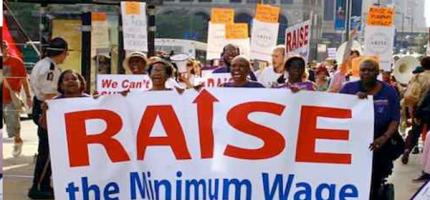
The GOP has ruthlessly sold the outlandish myth to millions that a hike in the minimum wage is a huge job killer. It has been so effective in its hard sell that President Obama and Congressional Democrats have repeatedly been stymied and frustrated in every effort they’ve made to boost the minimum wage nationally. And almost certainly, Obama in his State of the Union Address later this month will again demand that Congress, meaning House and Senate Republicans, immediately raise the minimum wage. 

The Grinches Who Stole Jobless Benefits

By Imara Jones

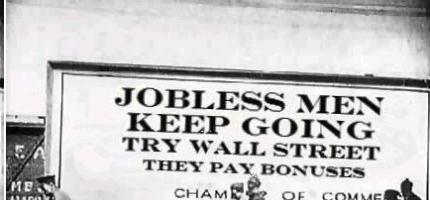
While the week before Christmas is a time when most Americans begin to pay less attention to the outside world in order to focus on friends and family, 1.3 million people will find that nearly impossible. That’s the number of the long-term unemployed—individuals who’ve been jobless for more than six and a half months—-whose unemployment benefits will expire just days after Christmas. The long-term unemployed are disproportionately people of color.

Bringing Broadband to Detroit

By David Alexander Bullock

Detroit is a city that is very familiar with poverty, especially in its low-income and minority communities. Among other financial ills, the city is suffering from a rapidly shrinking tax base as people flee the city to go to other cities where more job opportunities are present. But Detroit has an opportunity to turn its situation around by embracing technology and reinventing itself as the “Technology Hub of the Midwest.” Detroit needs to position itself as the place where technology meets the future economy. 

Higher Education Doesn’t Always Translate into Better Jobs for Black Men

By Frederick Lowe

Center officials wrote in a report, titled "Has Education Paid Off for Black Workers?" that good-paying jobs have eluded black men because of continuing racial discrimination in the job market and other factors. "Over the last many decades, black workers have made significant --- and often overlooked --- investments in education. Nevertheless, black workers have little to show for these investments," the report said. "A lack of human capital does not appear to be causing the difficulties black workers face in the labor market. 

Youths and the Burgeoning Green Economy

By Jen Chien

What that means in practice is giving young people -- especially low-income and at-risk youth -- job skills and paid employment. At the same time, they’re learning about climate change and sustainability. “We’re preparing them for any job that they will have in their future, and ideally, they will have a job in the green economy,” Pincus says. Early in the Obama administration, the “green economy” was getting a lot of attention. The President’s massive 2009 economic stimulus plan included $500 million for job training in the emerging clean energy market. 

A Diverse Ethnic Community Breathes Life into Buffalo, N.Y.

By Anthony Advincula

Once known as the “City of Light,” thanks to the hydroelectric power generated by nearby Niagara Falls, Buffalo’s fortunes turned with the opening of the St. Lawrence Seaway in 1957. Many of its white residents soon began to leave, and by 1967 race riots rocked much of the city. Today the unemployment rate lingers at just above 10 percent, while census data from 2011 ranked the city fifth poorest among those with populations of more than 250,000. Rates of crime and childhood poverty are also high.