Category

Twitter

Denouncing the Hashtag Stifles Investment in Social Good

By Stephanie Stark

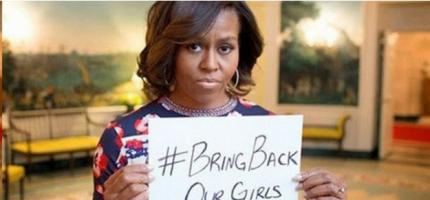
In recent coverage of the kidnapping of the 274 Nigerian schoolgirls, analysts and experts have begun to turn on the very tool that brought the issue to light: the hashtag. As with major hashtag activism like the (botched) #Kony2012 campaign, the issue of whether or not this kind of movement makes an impact has erupted once again amongst activists and techies alike. “...these are as Islamist terrorists who are intent on killing people based on their Christian belief. And in the case of these girls, look, a hashtag #BringBackOurGirls isn't going to cut it, ” Republican strategist Ron Christie said on NPR. 
10 Years Later: Where is Facebook Headed Next?

By Karolina R. Swasey

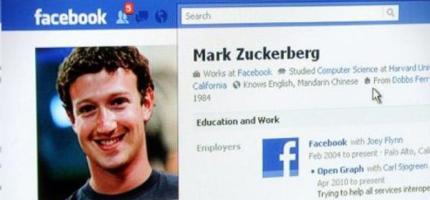
On February 4th Silicon Valley popped corks to celebrate Facebook’s 10th birthday. What began as a relatively exclusive event for the East Coast elite, very soon hit a central nerve and changed the way 1.23 billion people worldwide communicate, interact, engage, catch up, and bristle. Let’s think about those two numbers for a moment: A company that didn’t even exist 10 years ago, has as many users as India has denizens. 

From Arab Spring to Autumn Rage: The Dark Power of Social Media

By Andrew Lam

Nakoula/Bacile is currently in hiding and may in fact be fictitious. Much evidence now points to him as a Egyptian Coptic Christian, who allegedly holds grudges against Islam. On Thursday, U.S. Attorney General Eric Holder announced that Nakoula was convicted two years ago on federal charges of financial fraud. The jury is out on who instigated the violence against U.S. workers in Libya, resulting in the death of the American ambassador and three other personnel. The attack was carefully planned, it was reported, and not the mere work of angry protesters 

Creating Digital Identities: Recording Our Lives (and Others’) Online

By Andrew Lam

So many of us now have been raised on video games, cell phones and iPods. We’ve spent a large bulk of our lives in chat rooms, on Skype and posting videos to YouTube, to the extent that we’ve become news reporters and newsmakers, without even making much of an effort. We announce our actions and, in some cases, our impending demise online without giving it much thought. We have been so conditioned to invest our emotional life in the virtual space that it has become second nature. 

#IHeartPresidentialElections: Obama, Romney and the Social Media War

By Loren DiBlasi

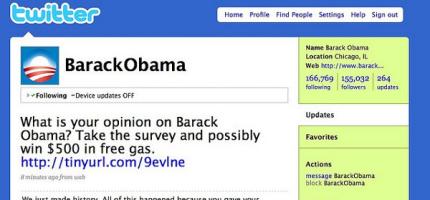
Once again, the Obama campaign has done a great job of engaging voters through the two most popular social media platforms, Facebook and Twitter, with Romney right on his tails. Ironically, the candidates’ official sites appear to be nearly identical to each other; loaded with pictures, facts, and links for visitors to click if they happen to be feeling generous, they seem more like personal blogs than campaign sites. This sort of behind-the-scenes, intimate approach works well for both candidates. President Obama’s Twitter account, for example, often feels like an extension of his own diary. 

Are You Really Dead Until You Are Dead on Facebook?

By Sandip Roy

From New America Media and FirstPost: In the old days it was standard (if a slightly morbid) practice in major newsrooms to prep obituaries of famous persons. Elizabeth Taylor famously outlived her own New York Times obituary writer Mel Gussow by six years. … In the age of social media, obituaries have turned into a string of tweets.