
Category

restaurants

Why Real Foodies Are Tired of the ‘Foodie’ Myth

By Beth Kaiserman

The book American Foodie does not accept the fact that people are foodies without psychoanalyzing its every facet. It delves into detail about America’s current food obsession and whether food can compare with fine art. Some people think food is to millennials what music was to the baby boomers of the ‘60s and ‘70s. Millennials are now more concerned with health and mistrusting of big brand foods and government. I think the food revolution represents our larger intention of questioning everything. 

The Makings of a TV Show: How ‘Server Life’ Happened

By Christopher Karr

Our endless conversations about these characters led us to creating a gallery around Christmas of 2013. We drew stick figures on pages from a sketch pad, wrote basic descriptors, and posted them on the wall above our TV. For months our living room looked like an eight-year-old was trying to solve a crime scene. We’d look at the stick figures and consider how they might interact with each other. We would come home from work every night, regroup, and share stories from the insane shifts we managed to make it through. 

Mango Tree: How The Thai Restaurant Plans to Take Over the World

By Paul Ehrlich

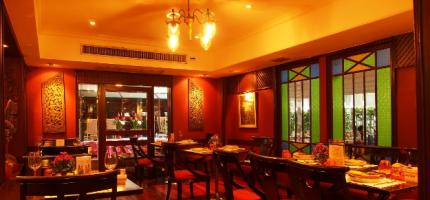
“There's a big boom in Thai food globally, and we aim to be at the vanguard of that boom,” says Pitaya Phanphenonsophon, CEO of Bangkok-based Mango Tree, already considered the world’s biggest Thai restaurant brand. What Pitaya started in 1994 has grown into 70 locations in 16 countries worldwide, with expectations to double its existing annual turnover to reach US$100million within two years as it sets it sights on expanding to 100 restaurants by 2015 with further expansion throughout Asia Pacific, and the Middle East, but also China, Australia and, in the United States

Vietnam Promises ‘La Dolce Vita’ Only for Those Who Can Afford It

By Nguoi Viet

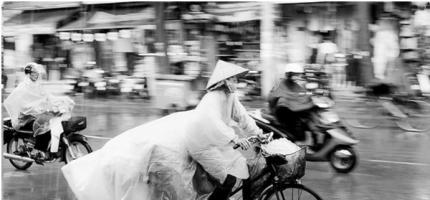
It has been months since Le Thi Nu has had breakfast. A street vendor who travels around Hanoi on a bicycle selling plastic slippers, high prices have forced her to cut spending on eating, even though a baguette would cost 15 cents. Standing outside a crowded restaurant on Quan Su Street, where a bowl of soup would cost more than half her monthly income, she finds it difficult to come to terms with the spending of the rich.