
Category

Republicans

How a 'President' Trump Will Probably Govern

By Earl Ofari Hutchinson

So the question that once seemed absolutely ludicrous to think let alone ask is now a question that can be seriously asked and even to an extent answered. Just how would Trump govern? There’s little reason to think Trump is suited to patient, give-and-take negotiation and compromise to get his initiatives through Congress. His style is to bellow, bully, and harangue to get his way. As for the issues, Trump has been on the political scene long enough to have enough of a paper trail to piece together from his statements in debates and interviews and speeches a fairly accurate picture of what he will say and do on the big-ticket issues. 

Sometimes Only Donald Trump Can Trump Donald Trump

By Sandip Roy

Put simply, Donald Trump, once the Clown Prince of American politics has become the Most Important Person of American politics today. Outrageous as he might be, he is not just setting the cat among the pigeons. He is the cat among the pigeons. He is setting the agenda and everyone else gets to react to it. As testimony to that, the Republican Party’s leaders, while trying to distance the party from Trump’s outrageousness, are nervous about going the full distance. 

Explaining Our Cautious, Caustic Congress

By Jim Jaffe

Inevitably those whose power was constrained by these new rules gradually figured out ways to use them and at least partially reassert control.  As a result it is nearly impossible to make a credible Senate race in most states without a big bankroll, arguably returning control to those who selected Senators under the old system.  The initiative process, which spread to other states, has also been distorted by those with money who focus on parochial concerns while obliquely attempting to elect their candidates.  

New Book by Chuck Todd Analyzes the Obama Presidency

By Lee Polevoi

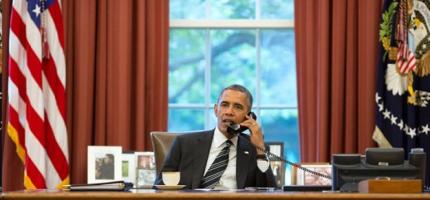
One future historical analysis of Barack Obama’s presidency might read something like this: The most intellectually gifted politician of his generation takes office facing unprecedented challenges. An economy in freefall, two bitterly fought wars long past their expiration date, and a host of other infrastructural issues—all inherited from a presidential administration that history may yet judge to be the worst in modern times.

Four Reasons Why the Keystone XL Pipeline Might Not Be Built

By Mark Trahant

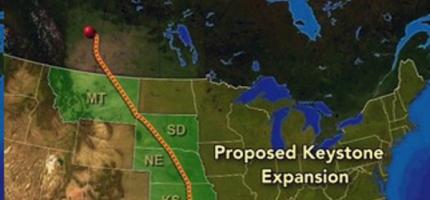
The fact is that there is no way any politician can justify Keystone and still say it’s time to take stronger action on global warming. As Bill McKibbon’s 350.org puts it: “President Obama says that he will reject the pipeline if it poses a risk to the climate. That makes his decision simple: building an 800,000 barrel-per-day pipeline of the world’s dirtiest oil will mean more tar sands dug up and burned, and more carbon pollution.”


Is Obamacare Really in Danger in the New Congress?

By Charles D. Ellison

The short answer is that in all probability, the Affordable Care Act isn’t going anywhere, but there’s a good chance that after a couple of years, it won’t be exactly the same ACA some of you love and others hate. To recap: Democrats pretty much handed over Senate control to Republicans because, among other things, they couldn’t figure out how to come up with a solid health care message in 2014—when all they had to do was wrap it nicely into a coherent economic pitch. 

How Democrats Lost the Midterm Elections

By Dave Helfert

Democrats across the country could have run on issues the public cares about; issues the public supports. Instead, they ran away from them.  They could have referred to the Affordable Care Act, rather than the dreaded ‘Obamacare,’ and pointed out that 10 million Americans now have healthcare coverage who didn’t before. Even if they didn’t want to suggest that the country is better off with more healthy people, they could have mentioned that 10 million fewer people will now have to rely on hospital emergency rooms for healthcare. 

Youth Voter Turnout Is Critical in Midterm Elections

By Khalil Abdullah

In addition to North Carolina, states where the youth vote could affect the outcome in November’s competitive political races include Alaska, Colorado, and Louisiana, according to an analysis CIRCLE released in August. CIRCLE’s data on African American, Asian American, and Hispanic youth show the complexities at play in ways that may challenge common assumptions about what motivates youth to become civically engaged or affiliate with a political party.