
Category

drugs

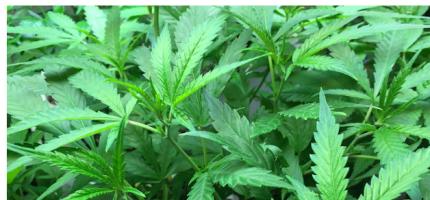
The Disastrous War on Cannabis Users

By Peter Grinspoon

Writer Michael Pollan echoes this thought when he cites the paucity of cultures and civilizations that have existed without the use of any psychoactive substances. The difference between heroin, which will promptly get you arrested, and codeine, morphine, or oxycodone, which we frequently prescribe in clinics, is merely a few atoms. We freely accept the deadliest of drugs by the score—tobacco and alcohol, along with dozens of addictive, intoxicating prescription drugs—yet we have demonized much less dangerous drugs.

‘Uprooting Addiction’ Shows the Face of the Opioid Epidemic

By Ulises Duenas

The film’s title, “Uprooting Addiction,” refers to one of the support tools used by a social worker named Hope Payson who has helped hundreds of people with their addiction. The tool is a tree made of paper up on a board that embodies the roots of someone’s addiction and how they managed to heal from past traumas and deal with their vices. The tree shows that the most common cause of addiction is some type of childhood trauma.

The Tragedy of Cannabis as a Schedule I Drug

By Max Simon

Despite the fact that cannabis was a widely distributed medicine with MDs writing more than 3,000,000 prescriptions per year in the 1930s, it became prohibited at the federal level in the United States in 1937. That prohibition was continued via the Controlled Substances Act in 1970 with cannabis placed firmly in the Schedule I category, which is where it has remained since. The decision to place cannabis in the Schedule I category was not based on science.

The History of Chocolate as Medicine

By Christine A. Jones

In the 17th century, Europeans who had not traveled overseas tasted coffee, hot chocolate, and tea for the very first time. For this brand new clientele, the brews of foreign beans and leaves carried within them the wonder and danger of faraway lands. They were classified at first not as food, but as drugs — pleasant-tasting, with recommended dosages prescribed by pharmacists and physicians, and dangerous when self-administered.

Personal Accountability in the Age of Social Media

By Michael Odenthal

This is an age of unparalleled transparency. With the steady grind of an always-hungry-for-content 24-hour news cycle, and the unprecedented window into individuals’ personal lives provided by social media outlets like Facebook, Twitter, Vine and Instagram, so much of what people do or think is documented that, for those who embrace these modes of communication, it would seem nearly impossible for anyone to disown a statement or action expressed through one of these public forums. 

Crime Does Pay: Global mafias’ $2 trillion bonanza

By Mark Goebel

Transnational organized crime generates $2 trillion in revenue per year globally, roughly the size of Britain’s economy, according to the United Nations Office on Drugs and Crime. Wonder how much money those fake Luis Vuitton handbags and DVDs of the latest Hollywood hits bring in? At $654 billion annually, counterfeiting and intellectual property piracy tops the global list of most lucrative illicit activities. 

Weird Load: Ken Kesey and the Merry Pranksters 50 Years On

By Mike Peters

July 1964. And 50 years ago a bus - a 1939 school bus, furnished with bunk beds, basic kitchen facilities and wired-up audio equipment - sets out from a house 15 miles from the Californian town of Palo Alto to journey across America. Painted in bright psychedelic colors with the destination sign of `Further` at the front and the words `Caution: Weird Load` at the rear, and carrying on board ten or so 60s` drop-outs from various walks of life, the bus makes its erratic way towards Route 60 and the road to New York. 

The Road to the Legalization of Marijuana

By Joseph Mulkerin

The documentary “Evergreen, The Road to Legalization” the directorial debut of Riley Morton demonstrates well how the debate surrounding Initiative-570, which passed in November 2012 legalizing marijuana in Washington State, brought such factionalism to a head. Indeed the staunchest opposition to the initiative came not from the traditional law and order conservative element but from a small but vocal cohort of medical marijuana activists, led by Steve Sarich who opposed how the legalization was implemented.