Category

African Americans

We Have to Talk About White Guilt

By Angelo Franco

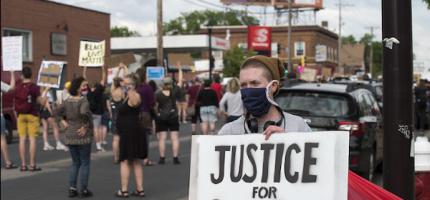
Not being racist is easy: literally, just don't be a racist. But being anti-racist takes work, and it’s work that is not always easy or even beneficial to oneself. And there’s so much happening all the time, and everyone’s needs are different. Check on your Asian friends - don’t burden your Asian friends; go to marches - don’t take up too much space in marches; speak up - know when to shut up and just listen; at least share information if you can’t do nothing else.
African Diaspora Filmmakers Break the Cinematic Glass Ceiling

By Sandra Bertrand

It’s worth mentioning some of the historical accounts given, which comprise the heartbeat of the film.  There was no doubt that early oppression from 1501 to 1865 was by design, with slaves reduced to generational property and 4-year-old children working alongside their elders in the fields. The figures are staggering with slave labor worth 3.5 billion, more than railroad and manufacturing profits combined.

100 Years After the Tulsa Race Massacre

By Gregory B. Fairchild

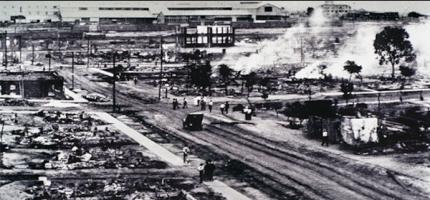
From my grandfather’s memory of the riot’s devastation to my own work addressing low-income communities’ economic challenges, I have come to see that change requires harnessing economic, governmental and nonprofit solutions that recognize and speak openly about the significant residential, educational and workplace racial segregation that still exists in the United States today.

The Ebenezer Baptist Church Has Been a Seat of Black Power for Generations

By Jason Oliver Evans

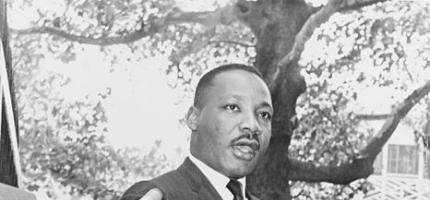
From the pulpit of Ebenezer, King preached some of his more memorable sermons. In one of his sermons published in a collection titled The Strength to Love, King describes racial prejudice as indicative of “softmindedness,” a person’s tendency to uncritically adhere to unsupportable beliefs. In the same sermon, titled “A Tough Mind and a Tender Heart,” King argued, “Race prejudice is based on groundless fears, suspicions, and misunderstandings.”

From the Fringe to the Mainstream: The Disturbing Rise of American White Supremacy

By Angelo Franco

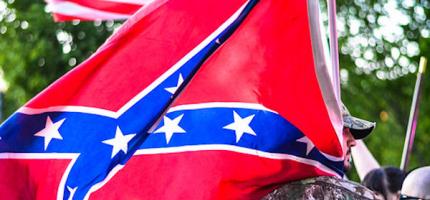
All of these seemingly random acts point to the fact that white supremacy isn’t just a “white is better” belief ingrained in misguided and stubborn opinions; but rather that white supremacy takes many forms. Some white supremacy groups are specifically anti-government; others don’t mind other ethnicities too much, but despise Jews; others are rooted in religious fanaticism (see Christian Identify above); while others still renounce the rigidity of religion (see Hitler and his ambivalent stance on Catholicism and religion in general).

The Fragile State of Contact Languages

By John Wenz (Knowable Magazine)

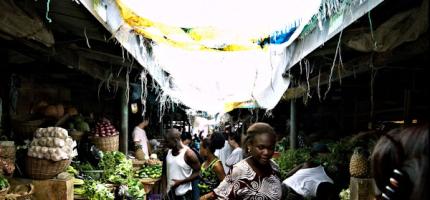
The origin stories of these linguistic mashups vary. Some are peaceful, such as when groups meet for trade and need a lingua franca: Nigerian Pidgin English, for example, allows speakers of over 500 tongues to communicate. But others were born of tragedy and violence — like Haitian Creole, Gullah Geechee, Jamaican Creole and many others that arose from the Atlantic slave trade, when West African peoples combined several tongues with English, creating everyday languages often used among slaves.

Why Controversy Has Often Loomed Large in the History of the U.S. Census

By Angelo Franco

Experts were quick to criticize this strategy, noting that the drawing of districts based on voting-age citizens would be advantageous to Republicans and non-Hispanic whites. This is a conclusion that the GOP’s own master strategist Thomas Hofeller arrived at during his 2015 study of gerrymandering which, in a bonkers turn of events, we only know about because his estranged daughter found thumb drives with her father’s work after he died and provided them to Common Cause, which challenged he citizenship question in federal court citing Hofeller’s own study.

How Police Use Military Tactics to Quell the Nonviolent U.S. Protests

By Robert Fantina

For years now, the U.S. military has been selling surplus equipment, material designed specifically for war zones, to local police departments. In many cities, police departments have nearly all the equipment, including weaponry and armored vehicles, that the U.S. military uses when it goes to war. Police departments also have tear gas and chemical weapons, which, should the U.S. decide to use against foreign enemies abroad, would violate the terms of the Geneva Convention.