

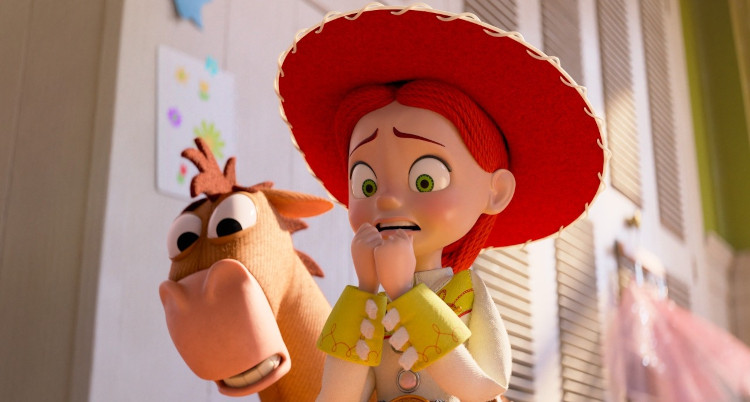
Thirty-one years later, Woody, Buzz, and the gang continue to impart wisdom to new generations of moviegoers. This time around, they remind us that Randy Newman’s iconic Toy Story anthem, “You’ve Got a Friend in Me,” still rings true, even as our understanding of friendship continues to evolve.
For Andy, friendship was organic and immediate: inviting friends over for his birthday party so they could ogle his new Buzz Lightyear. For our new protagonist Bonnie, however, friendship does not come so easily in the age of technology.
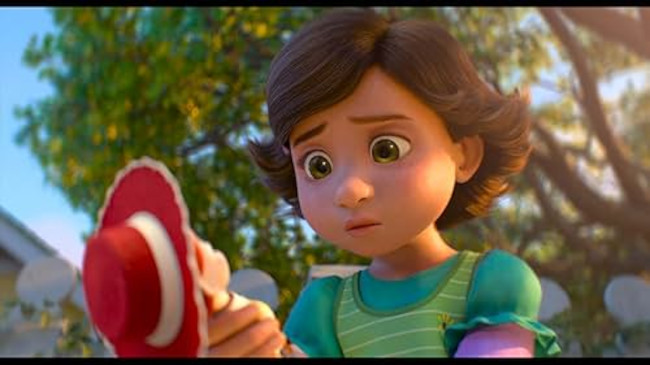
Toy Story 5 follows Bonnie, a shy young girl with a vivid imagination who loves playing with her toys but struggles to connect with children her own age. Cowgirl Jessie, now the de facto leader of Bonnie’s room, tries to help but only makes things worse. When neighborhood children mock her toys, Bonnie is left crying and alone. Her parents, noticing that most kids her age now have devices, decide to buy her a Lilypad so she can play games and connect with friends online, much to the chagrin of the toys, who fear this new technology may signal their demise.
Where the previous four installments centered on the identity crisis of toys watching their child grow up, Toy Story 5wisely shifts its focus to Bonnie’s struggle to form connection, grounding the franchise firmly in the present day. It also makes the story feel more relatable than ever for younger audiences.
While Woody and Buzz were once the clear focal points, they take a back seat here, allowing Jessie and Bonnie to anchor the narrative. As Bonnie becomes increasingly absorbed in her screen, Jessie is left to grapple with the trauma of yet another abandonment and a growing sense of uselessness. As child and toy drift further apart, Jessie embarks on a journey of self-discovery, while Bonnie learns what it truly means to form genuine connection.
Connectivity remains a pillar of the franchise, but what this installment carefully articulates is how we relate to one another both in person and online. One of its most effective moments comes when Bonnie makes friends in her dance class, only to later experience cyberbullying from those same peers.
Toy Story has always framed its emotional beats through the perspective of its toys, and in choosing to center Bonnie in this moment, the film broadens its emotional lens and deepens its exploration of connection in the digital age.
Yet the true standout of this film is Jessie herself. Voiced once again by Joan Cusack, she anchors much of the emotional weight. Fans of Jessie will be left a weeping mess as we follow her journey, reliving some of the most painful moments of her past while confronting what it means to return “home.” Her moments of self-realization are among the most beautiful in the franchise, a testament both to the animation team and Cusack’s deeply human performance.
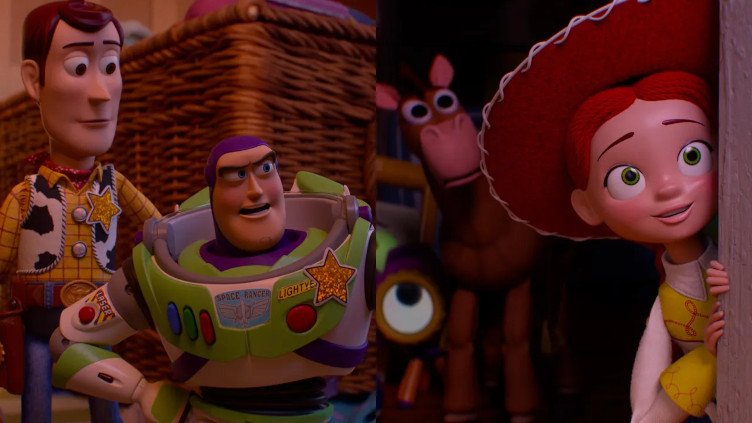
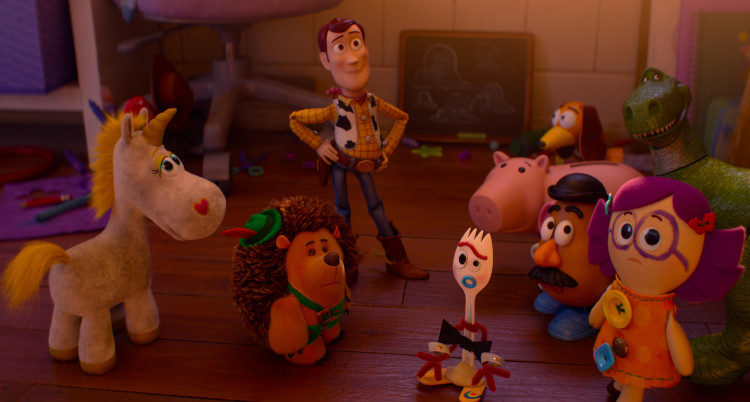
However, the emotional intelligence of centering the story on Jessie and Bonnie does mean the ensemble cast is given less to do. Sheriff Woody’s role is significantly reduced, as are many of the beloved original toys. Some of this is understandable, given the passing of actors such as Don Rickles, Jim Varney, and Estelle Harris over the past three decades, but even newer fan favorites like Tony Hale’s Forky and Keanu Reeves’s Duke Caboom are left with significantly reduced roles.
Still, where this franchise has always succeeded is in the strength of its new additions. The standout newcomer is Smarty Pants, a toilet-training tech toy voiced by veteran comedian Conan O’Brien. In typical Conan fashion, he is larger than life, silly, and juvenile in all the best ways, offering a welcome burst of comic energy amid the film’s more emotional turns.
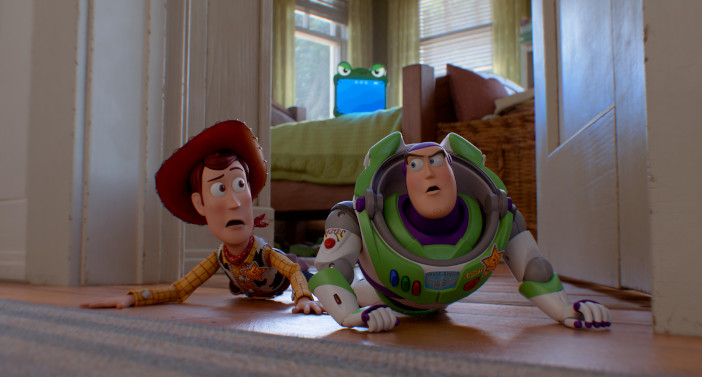
Ultimately, Toy Story 5 succeeds most when it treats its central question with restraint rather than spectacle: What does it mean to stay connected in a world where attention is constantly being pulled elsewhere?
By reframing the franchise’s familiar fear of being “outgrown” into something more contemporary and diffuse, the film finds a new emotional register without abandoning what made it resonate in the first place. It may not give equal weight to every member of its sprawling ensemble, but it does something more difficult by asking whether connection itself still holds the same shape it once did, and answers with cautious, bittersweet optimism.
With a record $160 million box-office draw opening weekend – and more impressive worldwide returns – it’s safe to say that Toy Story 5 is a force to be reckoned with, and serves as another major win for Pixar.
Author Bio:
Ben Friedman is a contributing writer and film critic at Highbrow Magazine.
For Highbrow Magazine