


Genre is an intuitive concept. Most often, when presented with a song, you would be able to identify the genre to which it applies. As intuitive humans, we are good at aligning similar things, but we also like clear categories that don’t reflect the more fluid reality of art and the world.
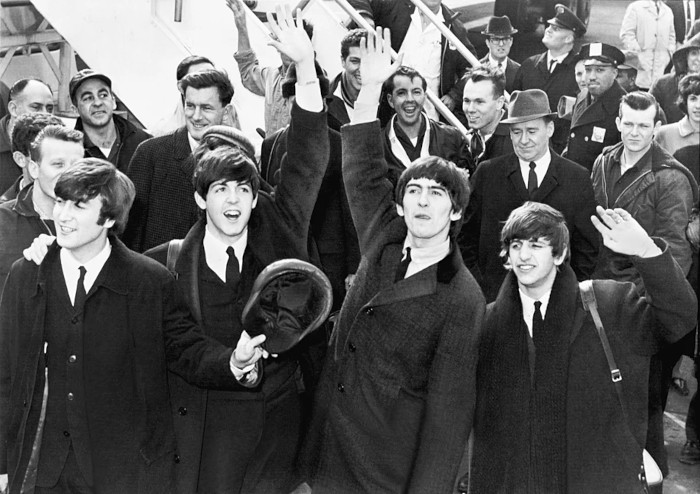
Most genres can be splintered into an infinite spiral of slight variations and subgenres to reflect that we have difficulty rationalizing their inherent ties. For example, the rock n’ roll of Chuck Berry and Elvis Presley differs greatly from the rock of the Beatles – which differs from the hard rock of AC/DC, which differs from the metal of Metallica.
Metallica and Chuck Berry obviously don't belong in the same discussion. “Master of Puppets” sounds nothing like “Johnny B. Goode.” Yet, we can see there is space for discourse between “Help!” and “Hound Dog.”
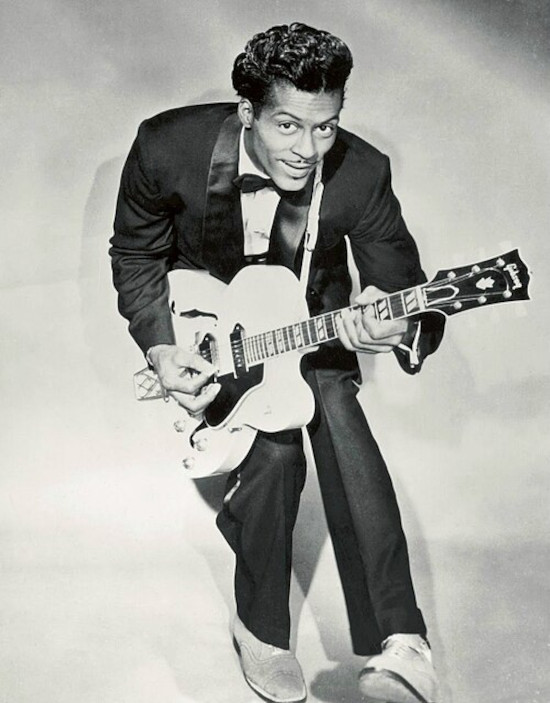
(Pickwick Records, Wikipedia Commons)

The jump from Chuck Berry to Metallica is in part simple evolution, but it doesn't account for the expansion of the genre, which in the ‘80s, somehow found Journey, Van Halen, and David Bowie falling under the same umbrella.
Genre doesn’t lend itself well to a methodology. Though if we were to attempt to create one, it would seem sensible to posit two primary features that define it: style and content.
Style is as close to an objective feature as we can get. Regarding style, I refer to instrumentation, signature rhythms, or distinct features. Rap, for example, has its unique lyrical style.
However, content as a category is more subjective. This would be defined by the subject matter of lyrics, themes, and imagery. Punk, country, gangsta rap, and emo are defined by these features. The difficulty with content is that almost every genre can have a song about any topic. Politically charged messaging is inherent to punk as a genre, but many folk and rap songs also contain similar messaging.

(Photo Credit: Depositphotos.com)
All of this would imply that style is the defining factor for genre. Yet, if we consider style the most important factor, it starts to dissolve the boundaries between similar genres like country, folk, and blues, which share similar DNA. It seems shallow to determine the difference between a political country song and a folk song by the absence or presence of a twang and steel guitar.
The specific mix of style and content that determines hyper-specific genres is something that is intuitive to recognize but difficult to methodize. As an imperfect tool, there's a fair question about the purpose of genre classifications.
Genres obviously hold some intrinsic value in classifying and enabling discourse of certain musical movements. An article I wrote on gender expression in relation to hair-metal would've been impossible without a general category of bands defined by eccentric stage wear and similar musical stylings.

(Photo Credit: Depositphotos.com)
However, the extent to which genre is useful in general conversation is dubious. Broad categories like rock, rap, country, and pop are helpful as they encompass wide but distinct swaths of music. However, dividing subgenres infinitely and fighting over their purity leads the way to gatekeeping.
Questions like whether metal is its own genre, or if it is a subgenre of rock is largely pointless. Regardless of its own genre status it's descended from rock, which is, for the purpose of this discussion, all that really matters.
An example of this is the concept of rockism. A topic worthy of discussion on its own but simply put is the notion of “rock-supremacy.” Elitist ideas about which art is the most important doesn’t further our understanding of it, so much as serve our needs to feel superior.

(Photo Credit: Depositphotos.com)
In addition, genre often doesn’t illuminate how we view music. We tend to ascribe artists a genre, but this tradition is largely due to providing a sense of cohesion and the creation of star personas.
Artists who do change genres are often seen as pivoting from one genre to another. Jelly Roll started in rap before switching to country. Taylor Swift started in country before moving to pop. Just as singles and streaming have challenged the need for albums, the need for a cohesive artist image is also waning.
Experimentation on even a single basis would enable more interesting music than conforming to traditional demands of music marketing.
Beyoncé’s Cowboy Carter is the perfect case of not giving a hoot about the constraints of genre. While Beyonce doesn’t classify the album as country, it is an obvious experiment in genre hybridity. Her comments about the backlash she faced as she tried to delve into the genre make clear the album's role in responding to elitism.

(Photo Credit: Depositphotos.com)
It’s more important to view – and listen -- to music through historical context. Rock was developed primarily from African-American genres, jazz, and blues. It is especially telling that now, the genre is regarded as largely dominated by White artists. With ‘90s gangsta rap, the social-political climate and East Coast-West Coast rivalries are the underlying themes by which this genre is largely defined.
To summarize: Infinite debate defining subjective and posturing categories takes away from our ability to learn insightful information about the evolvement of music. Just listen and enjoy – regardless of the genre.
Author Bio:
Garrett Hartman is a contributing writer at Highbrow Magazine.
For Highbrow Magazine