

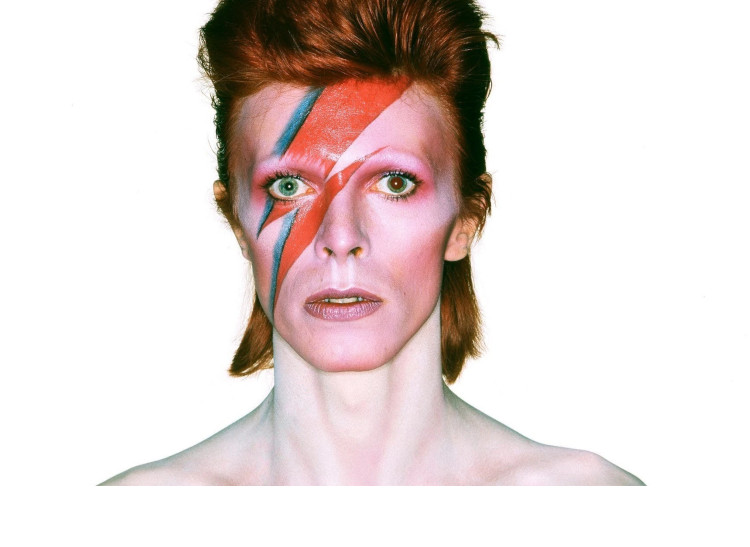

There’s an interesting dissonance between changing times and values. Younger generations typically push the cultural envelope at first, then decry the generations that follow as they age.
What remains fascinating is the extent to which music has infringed on sex and gender taboos to critical and financial success, yet issues surrounding these topics pose a cultural conundrum.
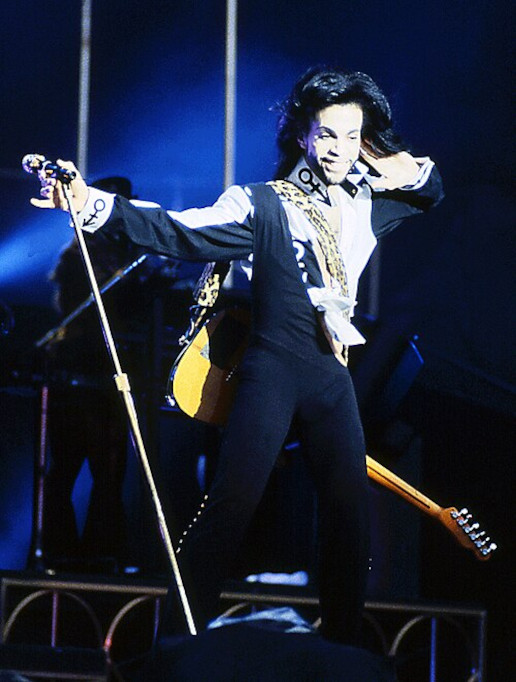
(Jimieye, Wikipedia Commons)

Gender discourse is particularly volatile in the current social-political climate. The controversy centers on litigating the rights of the LGBTQ+ community, but the social politics of the right seem spurred by a crisis of masculinity. Strong-man rhetoric and misogynist movements make it prescient to examine a time when subversive masculine figures dominated and still reign as some of the most influential musicians of all time.
The ’70s and ’80s were rife with androgynous and sexually ambivalent figures. Artists like Prince and David Bowie toyed with gender and racial norms. Tensions between masculine and feminine ideals were a primary theme of Prince’s work.
The song Controversy questions “Am I black or white? Am I straight or gay?” More overtly, the logo Prince later took as his name mashes the symbols for male and female.
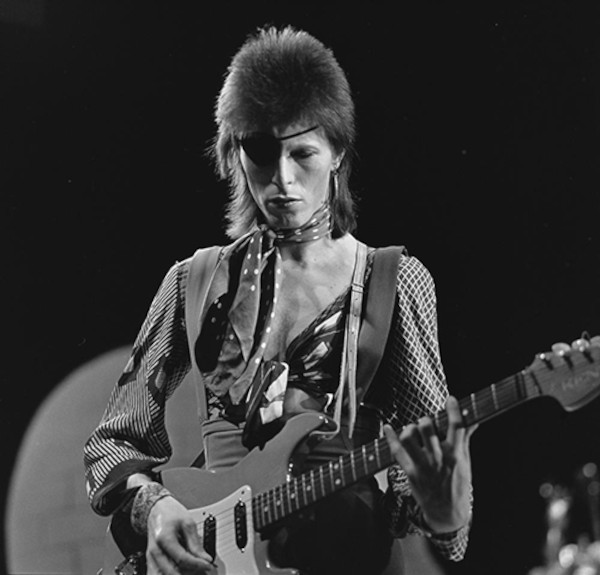
(Avro, Wikimedia Commons)

While Prince and Bowie each had unique styles, they both had notably flashy, flamboyant, and dramatic costumes. Excessive makeup and dress were hallmarks of both artists. Both had subversive, gender-ambiguous alter egos, Ziggy Stardust for Bowie, and Camille for Prince.
Other groups like the Village People obviously subvert stereotypes with much of their music centered on gay culture. The Village People’s costumes themselves are kitschy parodies of masculine ideals.
Freddie Mercury of Queen was famously bisexual, but even so, Queen can broadly be associated with glam rock and the visually similar hair metal. Many of the glam rock and hair metal groups, including Poison, Mötley Crüe, and Twisted Sister, have eccentric and feminine looks. For example, see the album art for Crüe’s Shout at the Devil, or Poison’s Look What the Cat Dragged In. Feminized makeup, large hair, exposed skin, and leather defy expected portrayals of masculinity.
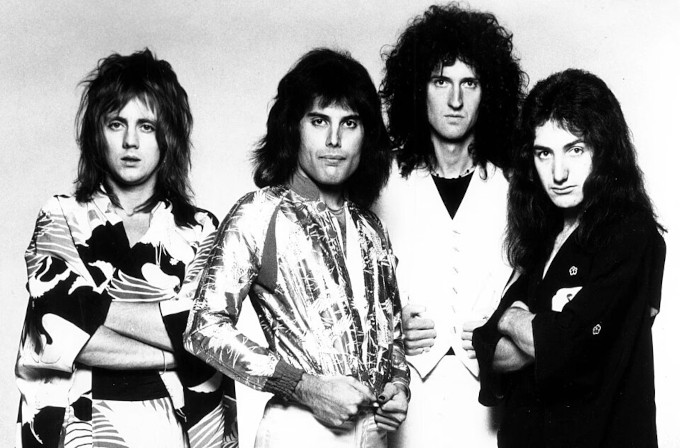

However, in mainstream culture, the gender-bent aspects of male rock stars were arbitrarily ignored in contrast with artists like Prince and Bowie. When Prince opened for the Rolling Stones on one of their tours, he was pelted with trash and called homophobic slurs. Bizarre when you consider Mick Jagger’s own sexualized and subversive persona.
Likely, the sound and subject matter was the force that qualified clear gender play as pure spectacle with the hair-metal crowd. Aggressively heterosexual lyrics and a respected hard-rock sound helped reassert the masculinity these more mainstream groups subverted.
Take Mötley Crüe’s Girls Girls Girls: The title leaves no question about the band’s sexual orientation. Yet, aesthetically, the primary difference between the band and the strippers they ogle in the video are the motorcycles the band rides in on and the amount, not style, of clothing they wear.
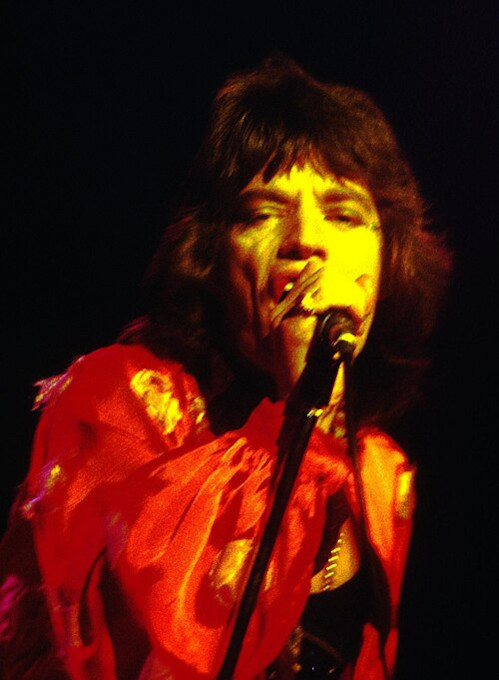
(Larry Rogers, Wikipedia Commons)

Another great example is Bon Jovi’s Livin on a Prayer, the music video for which similarly showcases dramatic leather and denim outfits. The song, however, is a working-class love song overflowing with conformist American ideals. When you erase the playful ambiguity in favor of aggressive heterosexuality, these aesthetics are cheapened to more of a gimmick. It becomes a quirk of rock and roll, like Angus Young’s school boy outfit.
This is perhaps why raunchiness is such a large part of the groups that achieved mainstream popularity like Mötley Crüe. Asserting their heterosexuality was a requisite to accepting their theatrics, or the group is simply an example of mainstream values co-opting a niche culture.
It seems unsurprising that shortly after this excessive pageantry, the understated look of grunge followed. Grunge, as a movement, is always tricky to pin down -- some bands like Soundgarden have contested the label. But Kurt Cobain and Nirvana are the best examples of the movement, and their ethos is clear: a complete disdain for the mainstream.
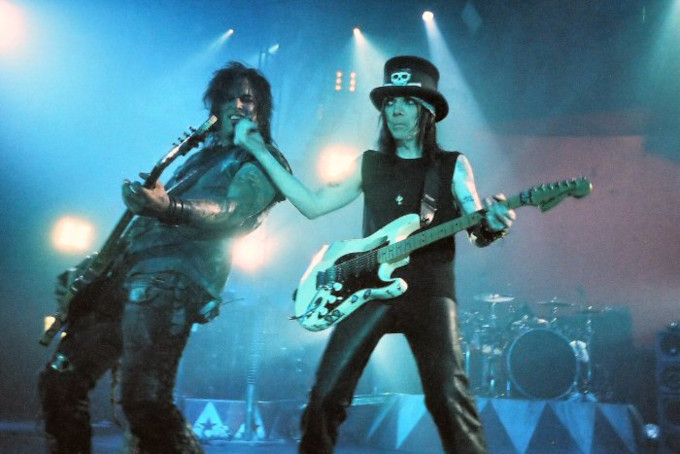
(Alec MacKellaig, Wikipedia Commons)

This can be seen through songs like In Bloom, which mocks mainstream audiences loving but not “getting” grunge. Cobain also had complicated feelings regarding the incredible success of Smells Like Teen Spirit. Grunge as a musical and fashion style rejects perfection and values authenticity. Its imagery is a poignant if not a direct challenge to the intricate outfits of the glam and hair movements. Baggy clothes and cardigans are a stark contrast to tight leather and hair drenched in hair spray.
Cobain, as an icon of grunge fashion, didn’t forsake gender bending, frequently wearing dresses. This has come to greater attention recently, but for largely the same reason, the subversiveness of Prince and Bowie at times were eclipsed by their hijacked aesthetics. Nirvana and Cobain’s popularity with mainstream audiences made the masses conveniently blind to these challenges to norms.
Following the ’90s and the broader decline of rock, it is difficult to identify a large aesthetic movement as blatant as those of the ’70s and ’80s. The scene aesthetics associated with pop-punk and emo perhaps come close, but the fashions are relatively tame compared with the excess of the ’80s.
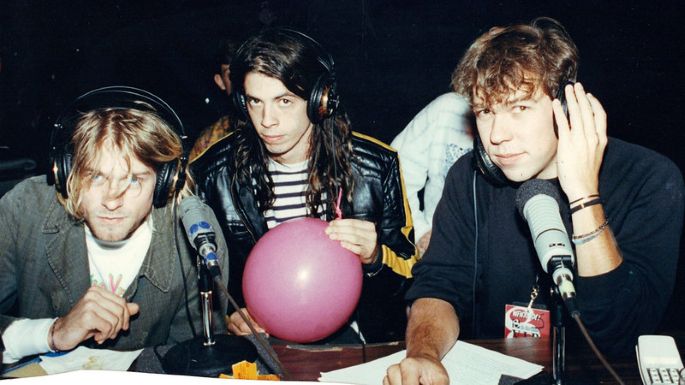
(Dunk, Flickr, Creative Commons)
Like the politics present in art, mass culture has a tendency to ignore the more challenging aspects of the work. It is important to recognize the subversiveness present in art, lest we allow more music like the Village People’s YMCA descend from a celebration of gay culture to a mass-marketed MAGA anthem.
Music of the ’70s and ’80s set upon a new and broader identity for masculinity, which seems to be slipping away. While the status it gained began to push more conformist and in many cases misogynistic messaging, it still expanded the perception of what men could be, at least visually. Thus, challenging some of the most toxic elements of masculinity. Looking back affords us the chance to remember that rock and roll’s rebellion doesn’t just stick it to the man, but asks us to define what a man really is, or should be.
Author Bio:
Garrett Hartman is a contributing writer at Highbrow Magazine.
For Highbrow Magazine