


(Photo Credit: Depositphotos.com)
Hollywood has never been a stranger to corporate upheaval. Studios have merged, collapsed, and reemerged under new ownership since their inception. But the current wave of consolidation carries a particular bitterness. Executives grow richer, the films themselves become more homogenized, and the thousands of workers who actually make the industry run are left jobless, with fewer movies being made. If the consolation prize is that a new Harry Potter television series finds a home on Paramount+, that may qualify as a victory for a shareholder, but we are all the worse off for it.
Warner Bros. Discovery first made clear last year that it was open to exploring a merger or outright sale. CEO David Zaslav rarely concealed his enthusiasm for the idea, though he tended to frame it in grand terms about “reinventing” Hollywood. When a billionaire promises reinvention, there is usually a “but” somewhere in the sentence. In this case, that “but” appears to involve an industry becoming more insular and a media ecosystem controlled by fewer and fewer hands.
Over the past year, speculation has swirled around the potential acquisition of the legacy studio Warner Brothers. The possibility of such a sale was always going to send shockwaves through the entertainment industry. What was less expected was how quickly the conversation would expand beyond the business of movies into something far more consequential: the consolidation of media power as a stepping-stone for censorship.
(Photo Credit: Depositphotos.com)
By late 2025, reports suggested that Netflix had emerged as the leading bidder for the studio. The news generated mixed reactions throughout Hollywood. Many insiders worried about the implications if a streaming company absorbed one of the foundational pillars of theatrical filmmaking.
The concern was understandable. The previous year had actually been a strong one for movie theaters, with films like Final Destination: Bloodlines, Minecraft, and Superman posting significant box-office numbers, along with One Battle After Another, Sinners, F1, and Weapons finding themselves in the Oscars race, as well as financial hits. After years of anxiety about the survival of theaters in the streaming age, the industry had finally begun to show signs of confidence again. Watching a studio that had just experienced an incredible and historic run potentially disappear into a streaming pipeline seemed, to many, like a slap in the face.
Still, even that outcome might have been preferable to the scenario now unfolding. Recent reports indicate that Paramount, backed by Skydance Media and its CEO David Ellison, may ultimately acquire Warner Bros. While a Netflix takeover would have raised legitimate concerns about the future of theatrical distribution, Paramount’s involvement introduces a different set of questions entirely.
Ellison’s connections to political power are well documented. A close associate of President Trump, he has already faced scrutiny regarding his influence over Paramount’s existing assets, particularly CBS. According to Bloomberg News, Critics have pointed to alleged interference in the network’s news division, including controversial personnel decisions and editorial pressure. Whether those accusations are justified remains a matter of debate, but it begs the larger question of who ultimately controls the institutions responsible for informing the public.
(Photo Credit: Depositphotos.com)
Paramount already owns CBS, one of the major broadcast news networks in the United States. Warner Bros. Discovery, meanwhile, operates CNN. Both networks trail Fox News in ratings, with Fox commanding a dominant share of cable news viewership, but they remain major players in American cable news.
If Paramount ultimately acquires Warner Bros., those institutions would effectively fall under the same corporate umbrella and leadership. That may sound like a routine business story, yet the implications extend far beyond box-office returns or television schedules. Media ownership determines which stories are elevated, which perspectives are prioritized, and which voices are amplified.
Once media power concentrates, it rarely disperses.
This pattern is not unique to the present moment. American media consolidation has been underway for decades, fueled by deregulation and the relentless financial logic of conglomerates seeking scale. Corporate mergers are, after all, about as American as apple pie.
The troubling part is how easily institutions that once seemed permanent can be weakened and absorbed. News organizations that built reputations over generations can lose independence with a single acquisition or restructuring.
(Photo Credit: Depositphotos.com)
Control of the media has historically been one of the earliest objectives for governments seeking to consolidate political power. Direct censorship is only one method. Economic pressure, regulatory leverage, and ownership changes can often achieve the same result more subtly. The effect is not always immediate. Instead, the boundaries of acceptable discourse slowly shift, sometimes so gradually that audiences barely notice.
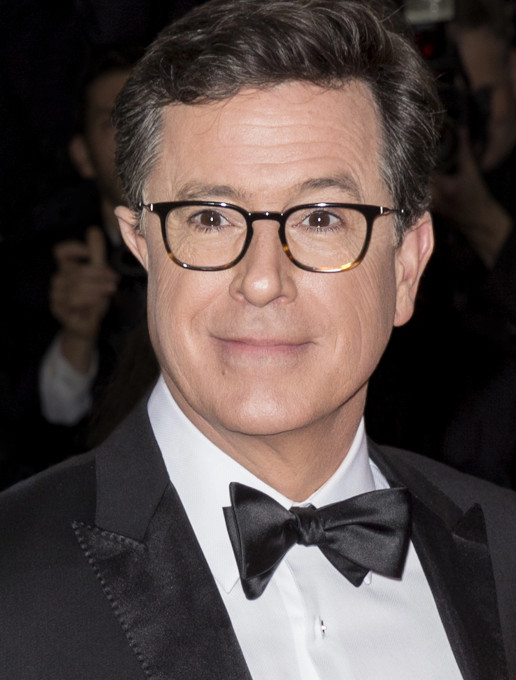
Recent developments in television entertainment have added to that sense of unease. Stephen Colbert’s late-night program, scheduled to conclude in May 2026, saw itself abruptly canceled for what CBS described as financial reasons. The timing raised eyebrows. The announcement arrived during the same week the Paramount–Skydance deal cleared regulatory hurdles, and not long after Colbert delivered a monologue joking about Trump and his alleged connections to Jeffrey Epstein.
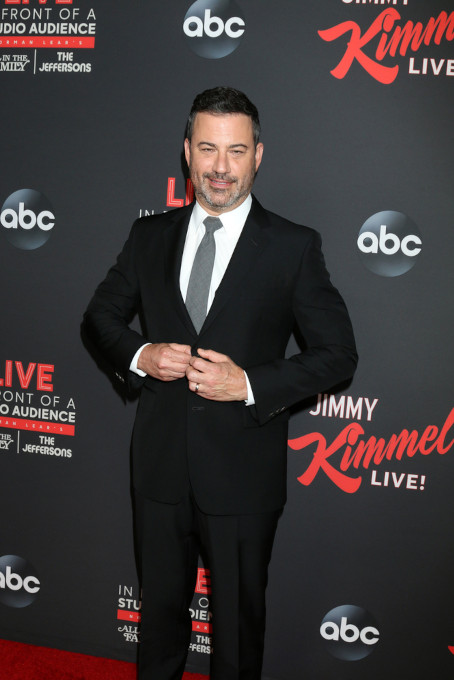
A few months later, Jimmy Kimmel briefly went off the air after regulatory backlash following a comment regarding Charlie Kirk’s murder. Individually, these incidents can easily be dismissed as routine controversies within the culture wars, but when similar moments begin to accumulate, the pattern becomes harder to ignore, especially when the ones celebrating these punishments are the ones in charge.
The political context surrounding the current wave of consolidation only deepens the concern. The future of American politics remains uncertain, but recent policy proposals and ideological initiatives, particularly those outlined in documents like Project 2025, offer insight into how some political movements view media institutions. The language used in those proposals often frames journalism less as a democratic safeguard and more as an adversarial force to be controlled.
(Photo Credit: Depositphotos.com)
None of this guarantees a particular outcome. Hollywood has survived countless corporate shakeups before. The American media industry has endured waves of consolidation, technological disruption, and political pressure. It is entirely possible that fears surrounding the current moment will prove exaggerated.
In fact, one can only hope they are. For now, Paramount’s potential acquisition of Warner Bros. remains a developing story. Negotiations continue; regulators will weigh in; and the final outcome is far from certain.
Still, one detail is difficult to ignore: The current administration has expressed enthusiasm for the deal.
Perhaps the concerns surrounding this moment will ultimately prove reactionary. Perhaps my pessimism will turn out to be misplaced. But if the past decade has demonstrated anything, it is that warning signs ignored today have a way of becoming crises tomorrow, especially when they come from media moguls who have already made headlines for punishing pro-Palestinian voices in their employment, as well as having close relationships to political leaders, President Trump and Israeli Prime Minister Benjamin Netanyahu. At a certain point, it may also be worth remembering a simpler rule of life: When powerful people repeatedly show you who they are, it is usually wise to believe them.
In situations like this, it may be better to risk sounding alarmist than to sit quietly while the foundations of an industry and a country shift beneath everyone’s feet.

Largebugsbunny (by Kassy, Sketchport, Creative Commons)
Author Bio:
Ben Friedman is a contributing writer and film critic at Highbrow Magazine.
For Highbrow Magazine