

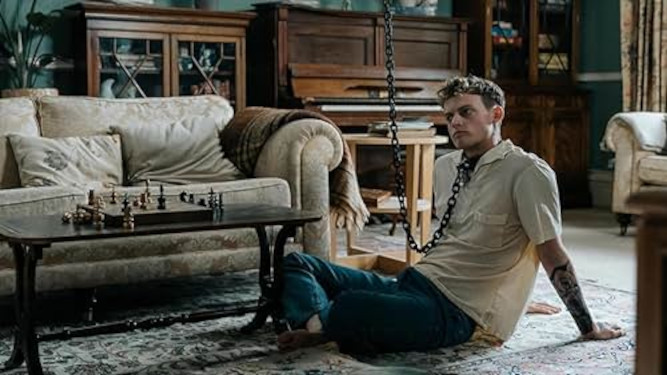
While it doesn’t have the most original premise, Heel, aka The Good Boy, goes a long way, thanks to its actors. It’s a thriller that takes a grounded approach to its story of a family keeping a teenager captive in their home.
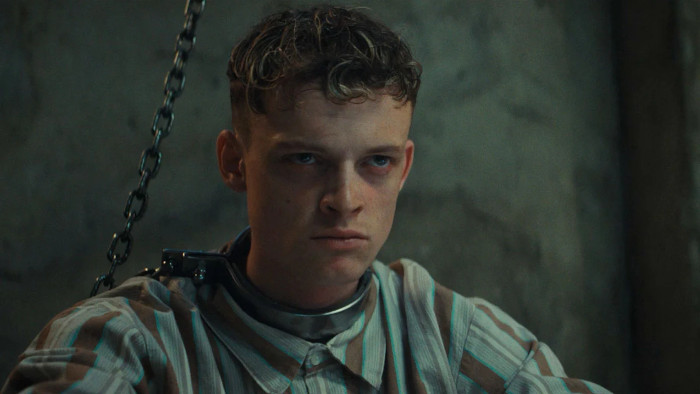
The film wastes no time in showing that the main character, Tommy (Anson Boon), is an absolute hooligan. Drugs, fights, cheating on his girlfriend – he is, in essence, scum. Then he gets kidnapped after a night of debauchery and is chained in the cellar of a large family home somewhere in Yorkshire, England.
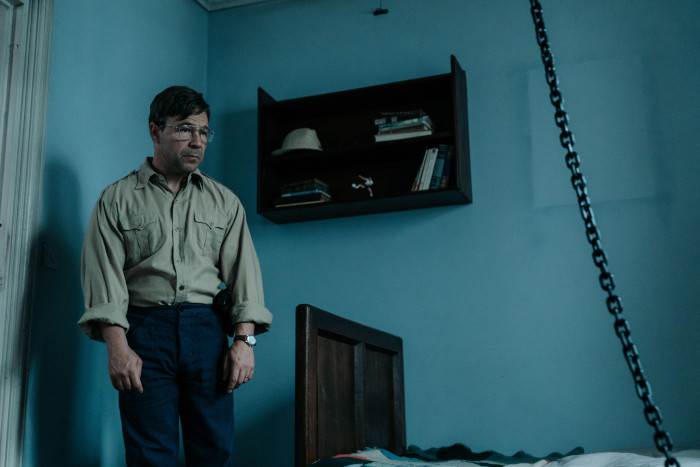
The patriarch of the family, Chris (Stephen Graham), is a straitlaced man who appears to have kidnapped Tommy as a form of moral revenge. The early scenes don’t show anything shocking, but they do a good job of establishing the characters and drawing viewers in the way a good thriller should.
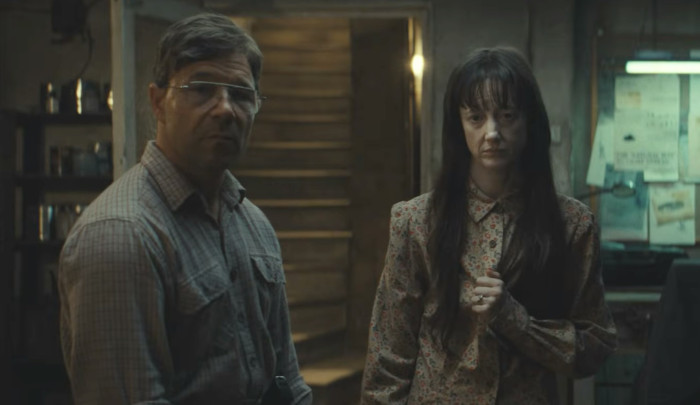
One of my favorite aspects of the movie is that it resists the urge to go over the top with its characters and storyline. Tommy is treated like an animal at first, but the filmmaker doesn’t play up the brutality of it for shock value. Most of Tommy’s “punishment” involves watching videos from his own social media page, which depicts him as violent and destructive. That also extends to the characters. Chris, his wife Kathryn (Andrea Riesborough), and their son Jonathan (Kit Rakusen) aren’t portrayed as creepy cult members. At most, they’re just awkward, which makes their acceptance of Tommy’s imprisonment even more unsettling.
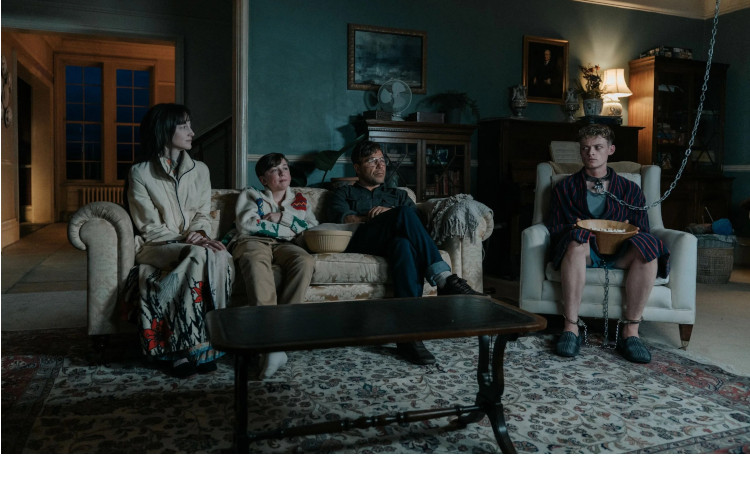
Heel wouldn’t be nearly as good as it is if it weren’t for the performances of Anson Boon and Stephen Graham. Boon makes Tommy look like a real wretch at first, but his slow transformation into a more thoughtful person does a lot to draw you into the plot. Graham also deserves credit for portraying a character with some nuance. Chris isn’t an obvious monster; he doesn’t come off as a psychopath who loves torturing people; and he seems to genuinely care about his wife and son in his own strange way.
The reasons for Tommy’s kidnapping and Chris’s attempt to indoctrinate them are largely hinted at but never fully confirmed. The lack of explanation might rub viewers the wrong way, but I usually prefer it when thrillers and horror films leave some things to the viewer’s imagination.
One disappointing aspect is how little the character pf Rona, who was introduced early on ends up being utilized. Rina (Monika Frajcyzk) is hired as a housekeeper, and her precarious status as an immigrant prevents her from leaving or contacting the police about Tommy’s captivity. She ends up having little impact on the overall plot, and she’s written out of the story just as things hit the boiling point.
As the film goes on, it becomes harder to tell if Tommy’s altered behavior is simply his attempt to fool his captors, or if he’s developing Stockholm syndrome. It slowly builds up to a great climax. That being said, I do wish there were more time between said climax and the ending.
Heel ends with a twist that is heartbreaking, but not unforeseen. It’s not an ending that sends a direct message on what the filmmakers have to say about a generation of kids that were turned into delinquents by circumstance. Some are saying that Tommy’s character is another indictment of social media’s effects on young minds, but I didn’t see it that way. Kids like Tommy have always been around. His lashing out and need to escape reality weren’t caused by new technology -- it’s just the latest way for the world to witness it.
That’s the tragedy of his character and the film's ending. The uncomfortable truth is that even when someone shows that glimmer of hope in turning their life around, they often don’t or simply can’t. There’s no magical safety net for them in case they make a wrong decision, only the people around them and their actions. Sometimes the difference just comes down to random chance.
It’s easy for me to recommend Heel to anyone who enjoys a good thriller. It’s not perfect or unique, but it hits hard and ends without devaluing everything that leads up to it.
Author Bio:
Ulises Duenas is a senior writer and film critic at Highbrow Magazine.
For Highbrow Magazine