

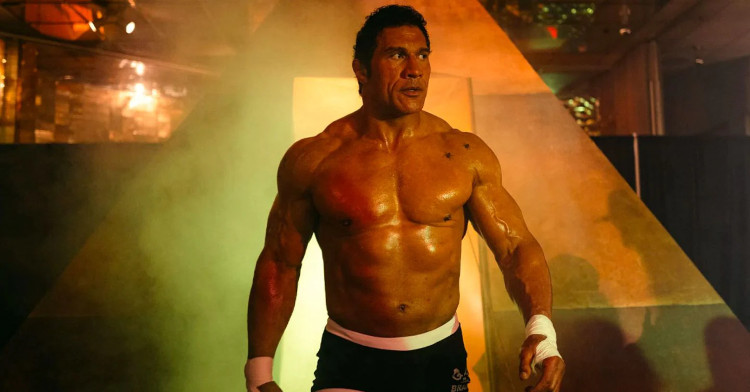
If you want to know the power of movie star charisma, watch the showmanship of Dwayne “The Rock” Johnson as he enters a WWE ring. With his signature theme song blasting as thousands of people scream their heads off, he transcends the role of mere athletic performer and embodies a Herculean figure. Larger than life, he fills the screen, and with his bravado, quick wit, and flair for the dramatic, The Rock has audiences eating out of the palm of his hand. He understands their adoration and, to his credit, he never fails to deliver. It’s showmanship at the highest level, on which The Rock has built his professional film career, despite diminishing returns in recent years.
In a moment when movie stars are as famous as ever, yet their box-office receipts suggest otherwise, Dwayne “The Rock” Johnson is striving for movie stardom from an audience that no longer turns out the way it once did. A decade ago, branding a film with Johnson’s name came with as close to a financial guarantee as any actor could offer. When Hollywood shifted fully into superhero storytelling, Johnson remained steadfast in playing to his strength: the charismatic badass. For all intents and purposes, he was already a superhero known simply as The Rock.
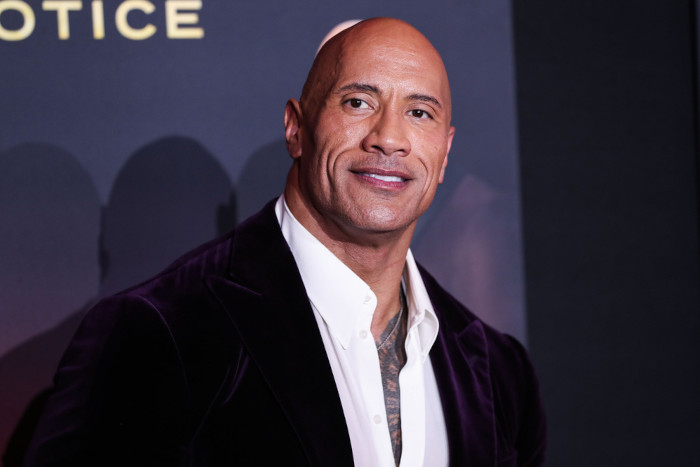
(Photo Credit: Depositphotos.com)
Yet in the post-COVID landscape, where theatrical attendance has changed dramatically, his once-guaranteed success has waned. Still uber-famous, still larger than life, and still able to draw a bigger audience than most, Johnson’s last five years have been marked by career missteps, bad headlines, and dwindling box-office returns.
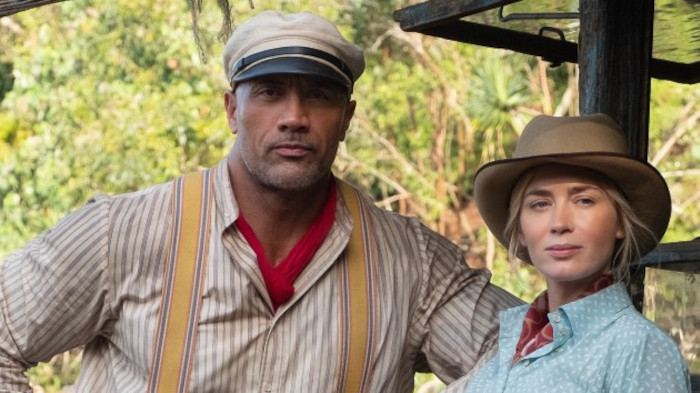
Some failures are coincidental, such as Disney’s decision to release Jungle Cruise theatrically and digitally on the same day due to concerns over theaters’ slow reopening in 2021. Yet that film’s disappointment marked the beginning of a string of failed IP launches that even The Rock’s once-guaranteed star power couldn’t ignite. Merely a year later, the internet was unkind to Johnson’s latest endeavor as the titular antihero in Black Adam. Despite a respectable initial box office, word quickly spread about Johnson’s behind-the-scenes power play and his attempt to reshape DC in his own image -- an attempt swiftly undone by James Gunn upon his arrival.
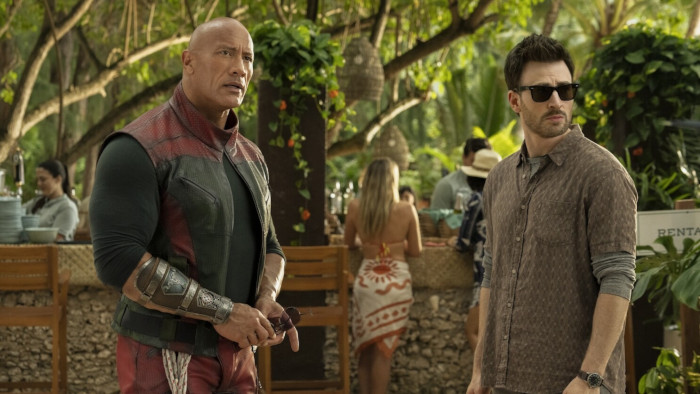
Johnson’s career then hit lows in 2024 with the release of two films. Despite his role in Fast X being little more than a cameo, his return to Vin Diesel’s franchise, following years of public feuding, revealed the actor retracing the steps that once revitalized his action career. Except this time, Fast X failed to impress, and the behind-the-scenes turmoil left Universal stalled in its premiere franchise.
Things only worsened when widely circulated reports about Johnson’s on-set behavior during the Christmas film Red One surfaced, including frequent lateness and even urinating in water cups --according to a GQ story -- to avoid delaying production. Such headlines and poor critical and commercial results overshadowed what he believed would be the start of his holiday franchise. It became clear that The Rock was not the savior of Hollywood but simply human, like everyone else, facing the realities of declining movie stardom. This left him with two options: Continue to fail, or adapt and embrace change. Fortunately for audiences, Johnson chose the latter and delivered a career-best performance in Benny Safdie’s The Smashing Machine.
Produced by A24, Safdie’s solo directorial effort follows UFC champion Mark Kerr as he pioneers the sport in Japan and battles opioid addiction. With documentary-like realism, the film zeroes in on Kerr, known as the Smashing Machine, as he strives to be a good person under mounting pressure. Unlike other sports films focused on substance abuse, this one avoids the predictable rise-and-fall-redemption arc. Instead, Safdie examines Kerr at the twilight of his career and poses a question we all face: What becomes of us when we’ve aged out of our career?
Johnson portrays Kerr with tenderness and humility. What makes Kerr different from other protagonists like Jake LaMotta in Raging Bull or Mickey Ward in The Fighter is his gentle masculinity. Despite Johnson’s sheer size, Kerr rarely feels physically intimidating outside of the ring. He is soft-spoken around children and the elderly. He remains polite to reporters despite mounting frustrations. With his wife Dawn (Emily Blunt), whose resentment grows more ferocious, he never responds with intimidation. He is, by all accounts, a decent, well-adjusted man who willingly chooses to have his face beaten in for a living, and does so with a smile.
Yet Johnson captures something truly profound in Kerr when the titular Smashing Machine finds himself without purpose. Unlike other films centered on substance abuse, Kerr chooses sobriety within the first hour, ultimately concluding his toughest battle by the film’s midpoint. But in achieving sobriety, he sacrifices what once felt like his superpower: the ability to endure pain without breaking -- and in doing so, loses his competitive edge.
For Johnson, the role feels personal, portraying a man on a downward trajectory who finds a strange freedom in letting go of the persona and life that once defined him. Johnson’s decision to take on The Smashing Machine reflects his own willingness to challenge himself and refine his craft. That enthusiasm radiates on screen, reminding us that what makes The Rock compelling isn’t his muscles or his weaponized charisma, but the heart of a performer -- something he was born to be.
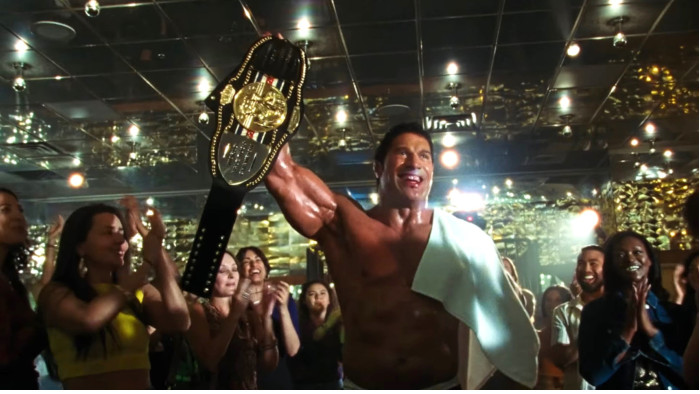
Despite earning critical acclaim for his portrayal of Kerr, The Smashing Machine failed to ignite The Rock’s fanbase, grossing only $5.8 million in its opening weekend, marking the lowest opening in his career. Johnson now finds himself navigating a landscape where even career-best performances cannot assure mass audiences.
Yet, rather than retreating to familiar territory, he continues to take risks as an artist. While still starring in projects like the live-action Moana adaptation and a sequel to Jumanji, he is lined up to star in Martin Scorsese’s Hawaiian gangster film alongside Leonardo DiCaprio and frequent co-star, Emily Blunt and is reteaming with Benny Safdie to adapt Daniel Pinkwater’s Lizard Music, a story brimming with talking animals, surreal adventures, and offbeat humor that defies conventional storytelling.
For a performer whose fame was built on blockbuster spectacle and broad appeal, choosing such an unconventional, idiosyncratic project signals a willingness to embrace the bizarre, explore the unexpected, and prioritize artistry over guaranteed commercial success. And when you take in the ambition and strangeness of these choices, well… let’s just say you can definitely smell what The Rock is cooking.
Author Bio:
Ben Friedman is a contributing writer and film critic for Highbrow Magazine.
For Highbrow Magazine