



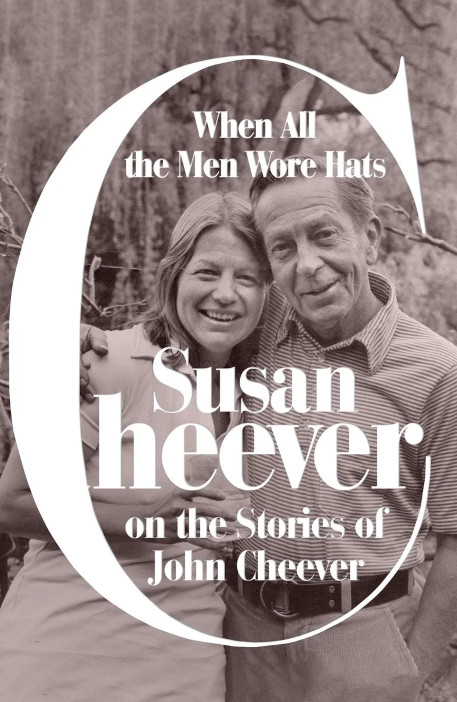
When All the Men Wore Hats: Susan Cheever on the Stories of John Cheever
Farrar, Staus and Giroux
400 pages
The literary reputations of many mid-20th century American male writers appear to be, perhaps inevitably, in decline. Among those are several who share the same first name—John O’Hara, John Barth, John Updike—and whose work is rarely read widely or much discussed these days.
Another writer with the same first name, John Cheever, is a more complicated story. In When All the Men Wore Hats, his daughter, Susan Cheever (a respected writer in her own right), suggests that her father’s fiction, particularly his short stories, deserve continued reading and a permanent place in the echelon of American literature.
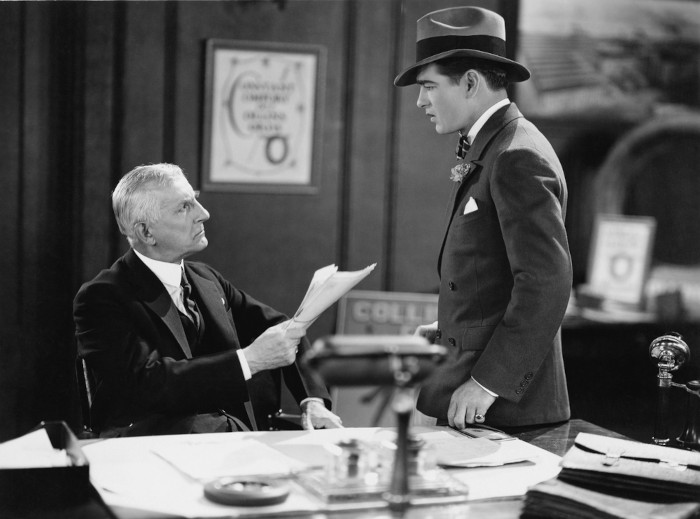
Cheever himself was at times uncertain about his legacy. In the melancholy introduction to his Pulitzer-Prize-winning opus, The Stories of John Cheever (1979), he wrote, “These stories seem at times to be stories of a long-lost world when the city of New York was still filled with a river light, when you heard the Benny Goodman quartet from a radio in the corner stationary store, and when almost everybody wore a hat.”
With this deeply evocative image, Cheever reinforced his brand as the “bard of the suburbs” (most particularly, Westchester County, where many of his characters lived and commuted to the Big Apple). It’s here, in the compact made with his readers, that Susan Cheever believes his legacy belongs:
“Reading is an intimate act. The connection between the reader, who is often relaxed in bed just before sleep, and the writer, who is whispering in the reader’s ear, is as close to being in the same heart and head as humans can get. It’s a private, emotionally electric conversation often fueled by loneliness. This glorious connection seems especially true with a short story—something to be read in one sitting, walled off by imagination from the distractions of real life.”
In classic stories like “The Swimmer,” “The Sorrows of Gin,” and “The Housebreaker of Shady Hill,” Cheever achieves this “glorious connection” with his readers. Susan Cheever builds on that point by including these stories (and three others) in her book. She uses them as a springboard for this memoir/work of literary criticism, and in this respect, succeeds admirably.
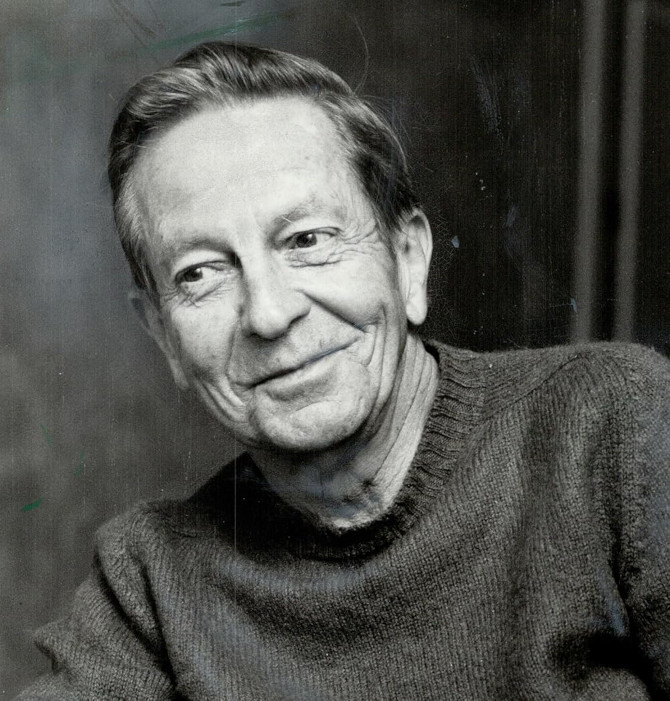
(Imdb)
Three aspects of human life formed the cornerstone of Cheever’s work and existence: alcoholism, family relations, and homosexuality. Cheever went through much of adult life in an alcoholic daze, until he quit drinking late in life. His immediate family (wife and children) was a constant source of inspiration and vexation, made worse by the troubled relationship he had with his brother, Frederick. And while he engaged in gay trysts and relationships through much of his adult life, he resisted the label of homosexual, almost to the end.
All of this contributed to Cheever’s ongoing anxiety and misery about life in general. Yet somehow, he transformed these troubling obsessions into magical fiction, much of which appeared over the years in The New Yorker and elsewhere.
In the meantime, Cheever’s addiction to alcohol permeated the dynamics of home life:
“The sounds of his preparations: the growl of ice leaving the ice trays, the clink of stirring against a glass, the shaking of the ice in a martini shaker, the glug as the gin left the bottle and splashed into the drink, the pop of a cork or the twist of cap were, in the house where I grew up, the beginnings of the best part of the day.”

(Photo Credit: Depositphotos.com)
That was the time of day when, “with the sun sinking over the yardarm,” there came “a few hours of music, laughter, friendliness, and enjoyment.” Sadly, many other moments consisted of angry outbursts, simmering marital resentments, and a curious ambivalence to the upbringing of his own children.
Though Susan Cheever’s interpretations of her father’s short stories are insightful, it’s the glimpses into the complex Cheever household that make for the most arresting passages in When All the Men Wore Hats. Clearly, she had a difficult relationship with her father, not least because he was a difficult man, prone to heavy drinking and leading a dangerous double life as a closeted gay man.
Still, she strongly contends, there’s no denying the high quality of John Cheever’s short fiction. His emotional shortcomings notwithstanding, the stories he produced (a great many, as it turned out) continue to resonate with readers today.
“Take it from me who grew up at the bloody, beating heart of the question,” Susan Cheever concludes. “There is no connection between the character of the artist and the genius of the art.”
(Photo Credit: Depositphotos.com)
Author Bio:
Lee Polevoi is Highbrow Magazine’s chief book critic and author of The Confessions of Gabriel Ash, a novel.
For Highbrow Magazine