

(Photo Credits: Depositphotos.com)
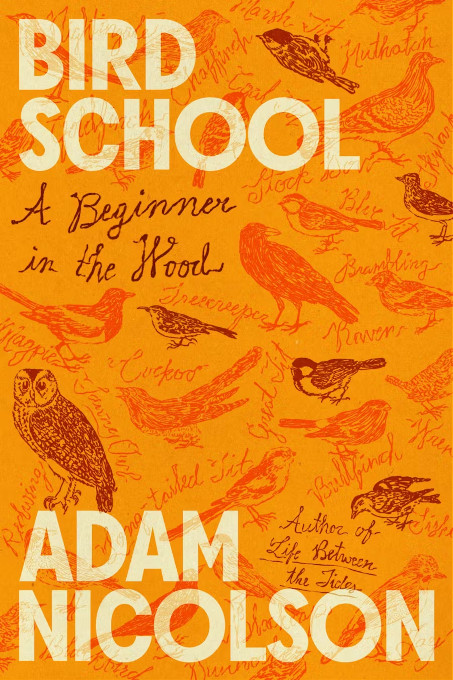
Bird School: A Beginner in the Wood
By Adam Nicolson
Farrar Straus Giroux
440 pages
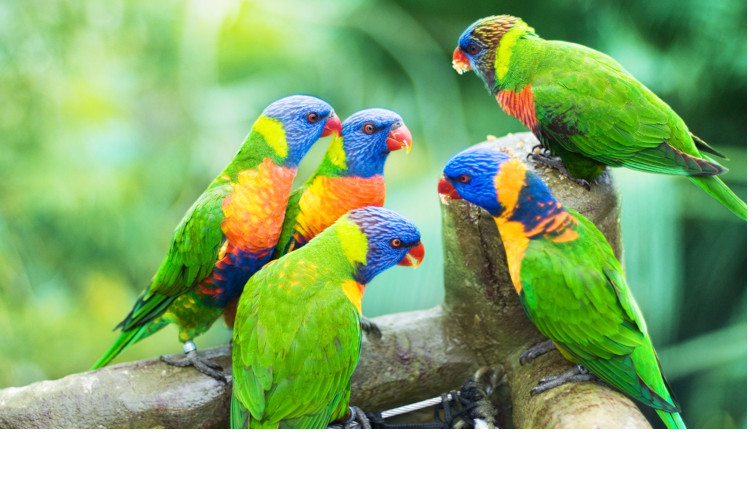
Those of us who live in dense urban areas lack much contact on a daily basis with the natural world. We come across squirrels, chipmunks, the occasional rabbit or skunk, but nowhere do we feel more attachment to nature than when we look up into the sky and see birds in flight. Or even birds clustered in a tree—in Southern California, say, where flocks of squawking wild parrots gather atop palm trees.
(Photo Credits: Depositphotos.com)
But all too often, we simply don’t pay attention to the avian world in our midst.
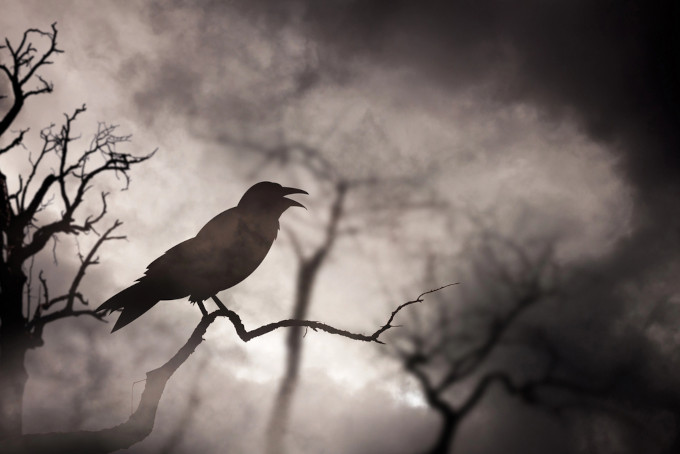
Adam Nicolson, author of Bird School: A Beginner in the Wood, was the same until one day he came upon a dead crow on the island of Crete:
“The bird felt like a miracle of construction: the splitting-axe of its bill, more palaeo than any piece of bird-body I had ever seen, capable of crushing the skull of a rabbit in one slow, final closure; the nape that it ruffles and raises in both anger and desire; the spread of the primary feathers in the wing, no matter wasted, each rib as structural as a medieval vault, as fine as necessary, graded in width and strength from out to inner and from tip to root.”
(Photo Credits: Depositphotos.com)
After moving to a farm in Southern England, Nicolson begins observing an array of birds in the surrounding woodland. Bird School recounts his time spent in a self-described Bird House, an octagonal structure set on stilts in a region called Perch Hill. From there, he closely watches birds acting more or less as nature intended—that is, free to some extent from human contamination.
Nicolson is something of a polymath, a writer with many interests. In previous books, he’s explored the English wetlands, lived in the remote Hebrides, and sailed solo along the wild coasts of Britain and Ireland. Not one to stop there, he’s also written books about Admiral Horatio Nelson and the battle of Trafalgar, as well as “the meaning of Homer” and other ancient Greeks. His most recent book, Life Between the Tides, recounts his investigations into the miracle of life in coastal tide pools.
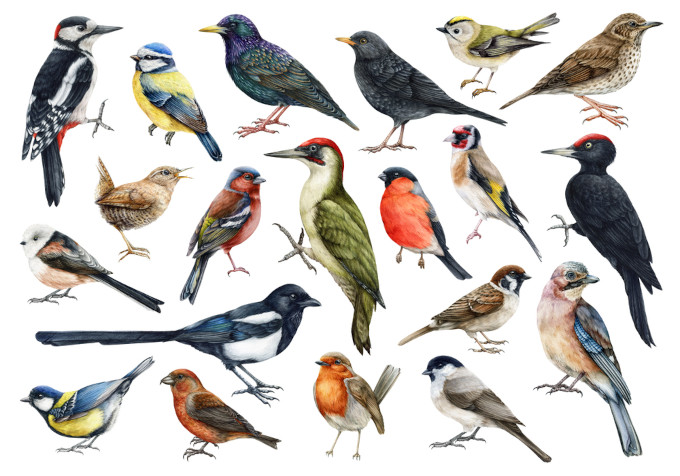
In Bird School, Nicolson’s zeal and knowledge are infectious. Soon, readers too want to know all they can about finches, songbirds, owls, hawks, buzzards and ravens:
(Photo Credits: Depositphotos.com)
“[Birds] are often on the run, intent on a life in which the human observer is merely a threat or annoyance. They know how to fly away, neatly like owls or buzzards, with a kind of disdainful calm, or like pigeons with a grand fluster of feathers and noise, or blackbirds with a car-alarm-disturbed-terror-shriek; or to hide and creep, to stay still and silent … to warn each other of some alien mammal in the neighborhood and to observe us far more than we ever observe them.”
Each chapter of the book focuses on a different bird species. In this way, we learn how birds build nests, mark their territories, contend with rivals, hunt for food, and communicate through song or other sounds. Studying these birds as they scrabble about, soar and flock together brings the author great happiness:
“I am seeing life in action and it has all the pleasures of listening again and again to the same song, the confirming familiarity of those repetitions. I do not need to dominate the birds or think of them as mine but day after day their close co-presence brings a heartfelt, life-opening sense of well-being.”
In Bird School, Nicolson’s elegant prose and ornithological enthusiasm generate a fresh appreciation for the avian wonders around us—birds that manage to survive and retain an air of wildness in our urban world.
Author Bio:
Lee Polevoi is Highbrow Magazine’s chief book critic and the author of two novels, The Confessions of Gabriel Ash and The Moon in Deep Winter.
For Highbrow Magazine
(Photo Credits: Depositphotos.com)