

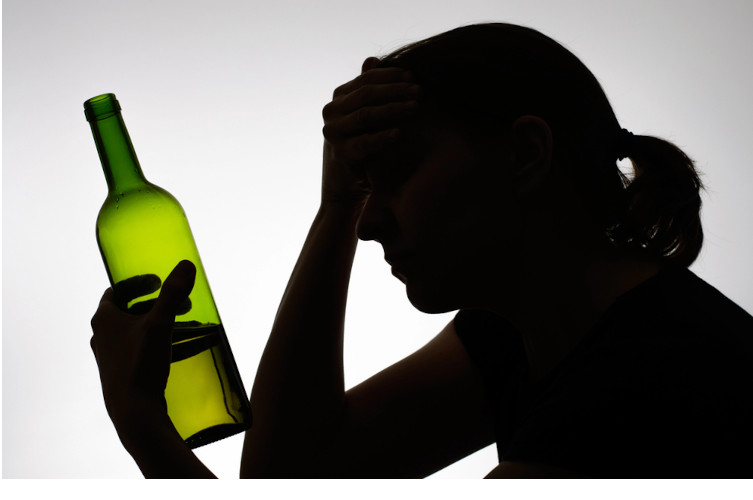
(Photo Credit: Depositphotos.com)
It was never supposed to happen, not again. But my head was pounding with what the experts call anxiety, fear, perfectionism, shame pumping through my veins, and mixing in with a splash of PTSD, but I didn’t care what it was called. I wanted all the racket to shut up for a minute so I could enjoy the good things happening. Give me an hour or two, my head said on my way to the pharmacy counter. I’d almost made it to the back of the store when the mouthwash caught my eye. Something made me think it was less threatening. So, I bought it and drank a few swigs in my car driving home one morning.
I don’t know why I spent so much time trying to insert logic and rational thinking into the insanity of addiction when it never made sense in the first place. That one decision to break the seal of sobriety I desperately tried to keep under wraps didn’t end until a few weeks later when I came out of a blackout in a hospital emergency room with a police officer guarding my door. Pete was sitting next to me.
(Photo Credit: Depositphotos.com)
“Oh my God, I can’t be here. I need to go; I have to go home,” I cried.
“No, you can’t, it’s not safe. You need help,” Pete said.
How was I supposed to lay there knowing I ruined everything again? I wanted to ask him what happened, but I also didn’t want to know. It turns out I went into a rage at the house that night, and my mom called Pete to come over and help her.
“You had a knife, Emily.” His voice turning softer, and I buried my face in my hands. “And wanted to hurt yourself. You weren’t very . . . cooperative when we got here.” Officers came and handcuffed me before putting me in the back of a squad car to escort me to a psychiatric hospital, Green Oaks in Dallas for mandatory surveillance.
“Wait, this is a mistake. I don’t belong here,” I pleaded to the man about to lock me in an empty room. It had one wall made of plexiglass, exposing me to a massive room full of patients and a nurse’s station on the other side.

(Photo Credit: Depositphotos.com)
“Sorry, but you have to wear one of these.” He lifted a straitjacket, although he called it something softer, like a self-harm protector. “Please, sir, don’t make me do this,” I pleaded, sliding my arms into the thick, white canvas sleeves with no ends for my hands to poke through. Instead, it sewed down into straps to wrap around me like a hug I didn’t want. The buckle in the back made sure I couldn’t wiggle my way out and wipe the snot dripping out of my nose until they eventually came and unstrapped me.
I was left for endless hours in the room with a disturbing quiet—the kind of silence that sent a high-pitched vibration through one ear and out the other. When I pounded on the glass for help, it echoed like unbearable thunder, but no sound came from the other side. Nobody noticed or heard me. I was invisible, sitting for another 12 hours on the floor with no one looking in my direction. Locked in that room with nothing but my thoughts. What if they forget about me? The thoughts grew into an insidious shadow, suffocating me.
I wasn’t just an alcoholic who hadn’t learned her lesson yet. There were reasons I sabotaged every good thing that came my way, reasons as deep as that hole I fell down in my nightmares. The outside of someone’s life rarely matches what happens within, at least in my experience. Emotions and reactions aren’t labeled for easy reference, and it’s hard to sort them out when they spill out in a jumbled mess.

(Photo Credit: Depositphotos.com)
A mixture of primal needs and societal survival collided in the fear of never getting out, of being overlooked and forgotten because if you forget me, I’m dead. What if they forget me turned into What if he leaves me? And it scared me as much as What if he STAYS? I didn’t know what to do with all that fear. This was Pete’s fault, alcohol’s fault, God’s fault. I’m such a coward, I whispered, because I knew I’d rather be numb than brave.
My hands were shaking when I reached up for my hair and pulled it as hard as I could, letting out the loudest, longest scream my voice would make until I gagged and spit on the floor. After the outburst, my lungs heaved like a worn-out wild animal. I stared at a clump of hair on the linoleum, certain I’d look up and see people staring at me. But nobody looked. Not a single glance in my direction. I paused, momentarily grateful and relieved, because for the first time in my life, I lost my sh*t, and no one blinked an eye.
Here comes your bride, I thought to myself when I finally shuffled out the doors in my hospital paper pants and awful breath into Pete’s loving arms. He looked at me the way he did on our first date, and even though it made no sense I let him wrap me up in his arms and kiss me on the mouth.
“I’m sorry,” I stammered, “I’m so stupid, I’m so sorry.”
“Emily, look at me. I love you, and we’re going to figure this out.
I’m not going anywhere, okay? C’mon, let’s get out of here,” and together, we drove back to Plano.
Some wake-up calls can happen instantaneously, unfolding in a story that captures a lifetime in a flash and leave a magical glow after they’re gone. Green Oaks was the more miserable wake-up call of slowly plummeting onto the pavement and lying there for a long
time staring at the truth. I had to decide.
I chose to fight for a life that came with no guarantees and trust in something I didn’t understand. Pete did the same, and with the odds stacked against us, we got married a month later, in front of a small group of loved ones. We weren’t outlaws or rebels, despite how some may have judged it. Not everything deserved an explanation.
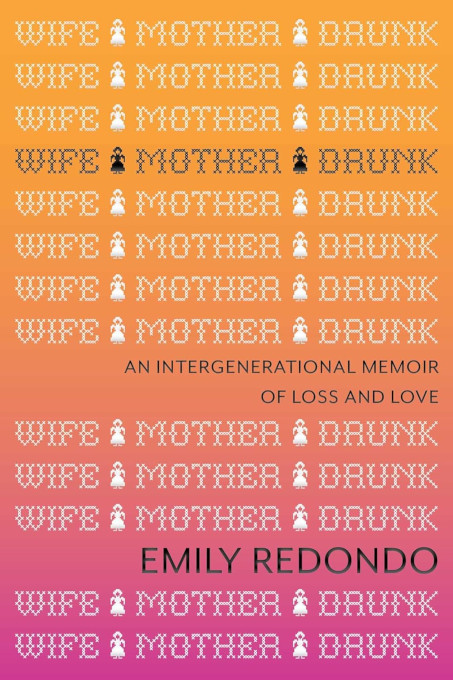
This is an excerpt from the new book, Wife Mother Drunk (Rise Books), by Emily Redondo. Published with permission.
Highbrow Magazine