

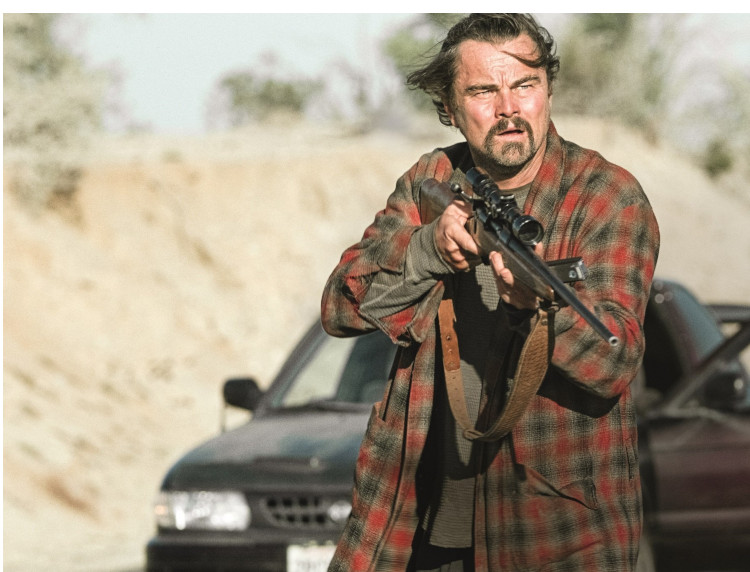
It’s fitting that Paul Thomas Anderson’s 10th film, One Battle After Another, serves, if not as an endpoint, then as an evolution of his impressive decades of work. That his vision delivers is hardly surprising. What is remarkable is the extent to which it exceeds even the high expectations that accompany his work, reminding us that great cinema is willed into existence at the intersection of vision, scale, and a contemporary urgency that allows Anderson to reexamine his ongoing thesis on 21st-century America -- its power, ambition, and enduring folly.
Whether it is the intertwining of capitalism and religion in There Will Be Blood, the search for belonging amid fractured faith and authority in The Master, or his own reexamination of adolescence in Licorice Pizza, Anderson has methodically traced our existence through the 20th century, shaping who we are as Americans. With One Battle After Another, he turns his gaze forward, no longer asking how we arrived here, but laying bare how the sins, compromises, and blind ambitions of the past have forged the America of today.
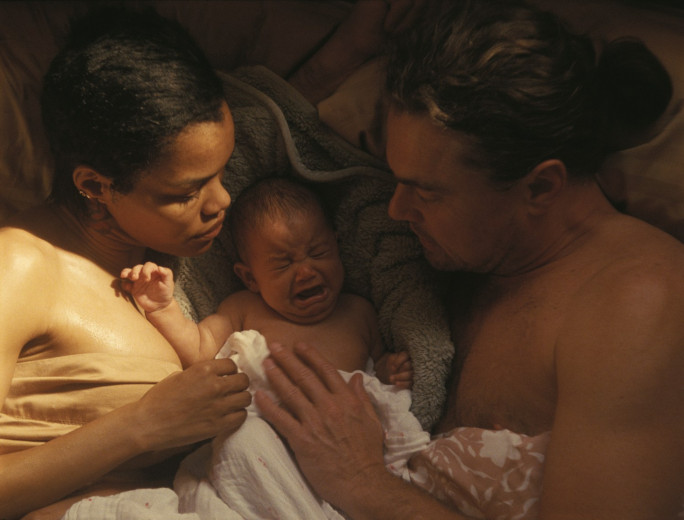
In the film’s opening sequence, we are introduced to lovers “Ghetto” Pat Calhoun (Leonardo DiCaprio) and Perfidia Beverly Hills (Teyana Taylor), far-left revolutionaries liberating an ICE detention center in California. There, they cross paths with the commander officer, Capt. Steven Lockjaw (Sean Penn), with whom their fates will forever be intertwined.
The film progresses to the city of Sacramento, where we follow our protagonists becoming more daring and violent, especially Beverly Hills, who learns she is pregnant with a baby girl, and in her mind, sidelining her from the revolution. Cut to 16 years later, where we meet our former revolutionaries, now living as burnouts, who realize their lives are in grave danger as Capt. Lockjaw returns seeking retribution, threatening not only their lives, but the life of their teenage daughter.
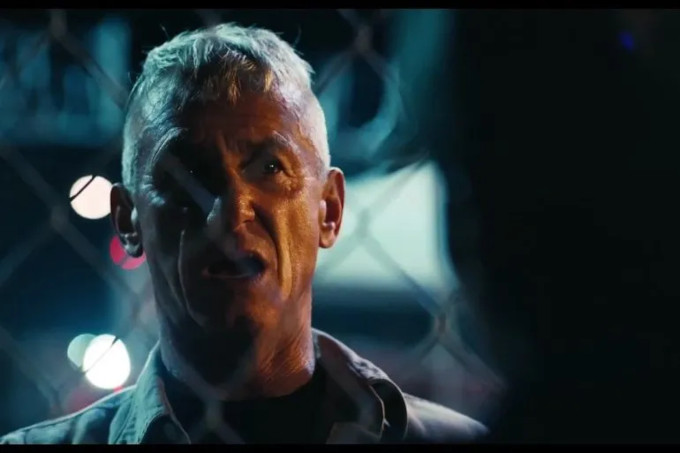
Lockjaw is both nemesis and embodiment of cyclical vengeance. Yet his desires are far more complicated, seeking the erasure of sin and the undoing of what transpired that fateful night on the border. For him, the battle is never only external; it is entwined with lust, control, and the dark contradictions of his own wants and desires as they conflict with the establishment he longs to be part of.
Sean Penn is transformative in the role, portraying Lockjaw with a chilling precision that captures the seductive allure of authority, and the hypocrisy of a man who enforces all-white order while indulging in personal racial transgressions. His policing of sanctuary states and tactics of guerrilla warfare leave nonwhite lives as casualties, all in service of his vision of the “greater good.”

In One Battle After Another, no law enforcement is righteous; at their most altruistic, they gleefully participate in the destruction of communities, and at their worst, they are literal Nazis, entrenched in a Christian ideology not of scripture, but of an imagined all-white paradise.
In weaving together the personal and the systemic, the intimate and the political, One Battle After Another becomes both a warning and a testament: History is alive; accountability is unavoidable; and America is inseparable from the sins, compromises, and ambitions of those who came before, forcing every generation to bear its cross and fight its inherited battles, one after another.
Author Bio:
Ben Friedman is a contributing writer and film critic at Highbrow Magazine.
For Highbrow Magazine