

(Photo Credit: Depositphotos.com)
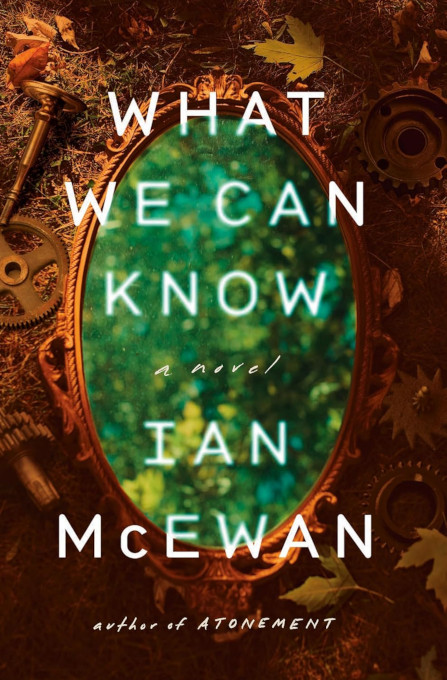
What We Can Know
By Ian McEwan
Knopf
320 pages
Over the course of a long career, British author Ian McEwan has forayed into a variety of literary genres. These range from historical fiction (Atonement) and espionage (The Innocent and Sweet Tooth) to climate change (Solar) and other less-easily-categorized novels such as Nutshell, a surprisingly effective take on Hamlet, as told in the voice of a fetus in a womb.
McEwan’s new novel, What We Can Know, skirts the perimeters of science fiction and post-apocalyptic literature, while also being a novel about academia. The results, unusual for such a compelling storyteller, are mixed.

(Photo Credit: Depositphotos.com)
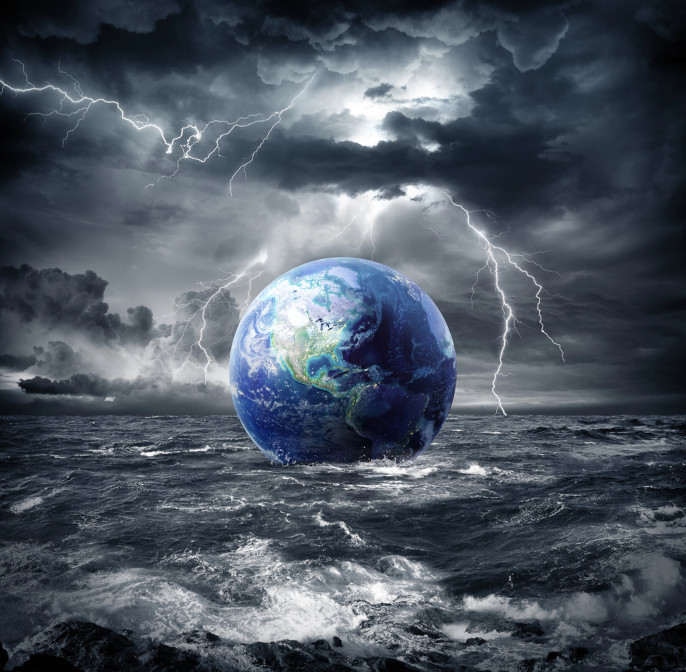
What We Can Know consists of two parts, the first set in 2119. The world as we know it is mostly underwater, the after-effects of a series of “nuclear events” and cataclysmic climate change. Tidal waves have subsumed the planet, leaving behind scattered archipelagoes such as those in what remains of England.
On one of these archipelagoes, a literary scholar named Thomas Metcalf searches through historical archives for a copy of a legendary poem, composed by a 20th-century poet, Francis Blundy, honoring his wife, Vivien. For reasons never made entirely clear, the poem—a 15-sonnet sequence—becomes a wildly popular staple of early 21st-century culture. While no copy of the poem appears to have survived the apocalypse, Metcalf searches on, regardless.
This all takes place at a time when the joys of the 20th century have been lost for good, Metcalf tells us, including “golf, a game which took up a lot of space and became impossible to justify once the sea invaded the land.”
(Photo Credit: Depositphotos.com)
The novel’s second part takes place in 2014, before, during, and after the poem’s composition. Blundy’s wife Vivien tells her story, revealing secrets barely imaginable more than a hundred years later.
What We Can Know gets off to a slow, ruminative start, where we first learn about Blundy and his loyal wife, for whom “A Corona for Vivien” was written. Metcalf, who stubbornly persists in unearthing snippets of information about the poet, addresses us from what was once whimsically called “the future.”
The novel’s world-building, while subtle and understated, lacks many visceral details of what life must be like in this terrible future. Metcalf does a lot of explaining in the early pages, eschewing drama nearly to the breaking point. At times it’s hard to balance the cognitive dissonance between his detached first-person narration, and the struggle among those trying to recover from “a great deal of ruin in a planet.”
(Photo Credit: Depositphotos.com)
As always, McEwan’s prose is clear and distinctive. A long dinner scene where Blundy reads his birthday poem aloud to assembled guests reflects the author’s expert sleight of hand. The narrative moves deftly among those around the table, each preoccupied with their own relevant and/or extraneous matters. Few among those in the audience realize they’re present when history is being made.
Whether or not McEwan successfully establishes the “legendary” quality of “A Corona for Vivien” is an open question. Late in his career, Blundy publishes a book of poems that rejuvenates public interest in his work:
“One of those [poems], funny, lyrical and erotic, found its way into a movie, a romantic comedy, one of the big hits of the autumn season … Tens of thousands, who had never bought a volume of poetry and especially not a hardback, picked up a copy in cinema foyers and across the country and propelled the book onto the bestseller lists.”
These days, the notion of poetry generating such widespread attention strains credulity. This works against the suspension of disbelief the novel requires in much the same way that, in the contaminated year of 2119, “the mighty past wears hard against the present, like oceans, wind and rain on limestone cliffs.”
Author Bio:
Highbrow Magazine Chief Book Critic Lee Polevoi is the author of a novel, The Confessions of Gabriel Ash.
For Highbrow Magazine