


(Photo Credit: Depositphotos.com)
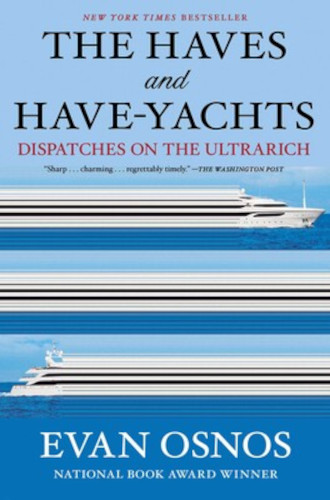
The Haves and Have-Yachts: Dispatches on the Ultrarich
By Evan Osnos
Scribner
279 pages
“Let me tell you about the very rich,” F. Scott Fitzgerald once wrote. “They are different from you and me.” That was certainly true in Fitzgerald’s era. A new book by journalist Evan Osnos, The Haves and Have-Yachts, makes clear that in our time, the ultrarich are completely different from rest of the world’s population.
(Photo Credit: Depositphotos.com)
Coming under Osnos’s journalistic gaze are essays about the bizarre spending habits of the ultrarich; how A-list musical celebrities are enticed by big paydays to perform at bar mitzvahs and children’s parties; why so many wealthy people now support Donald Trump; and schemes by the super-rich to survive the breakdown of civilization.
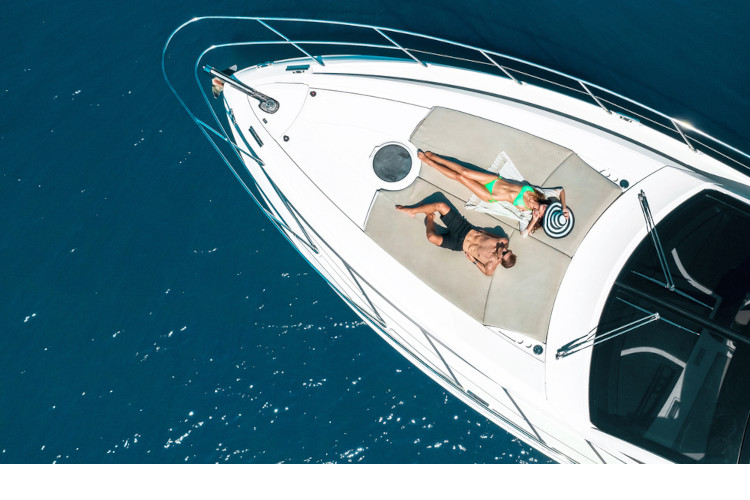
As for what they buy, Osnos reports in the book’s title piece, massive yachts have replaced private jets as the status symbol of choice:
“In any case, an airplane is just transportation. A big ship is a floating manse, with a hierarchy written right into the nomenclature. If it has a crew working aboard, it’s a yacht. If it’s more than ninety-eight feet, it’s a superyacht. After that, definitions are debated, but people generally agree that anything more than 230 feet is a megayacht, and more than 295 is a gigayacht … For the moment, a gigayacht is the most expensive item that our species has figured out how to own.”
(Photo Credit: Depositphotos.com)
What a problem, deciding what size yacht to purchase!
With boats, as with everything else, certain “unwritten rules of stratification” prevail: “… a Dutch-built boat will hold its value better than an Italian; a custom design will likely get more respect than a ‘series yacht’; and, if you want to disparage another man’s boat, say that it looks like a wedding cake.”
In “Survival of the Richest,” Osnos describes how members of the one-percentile plan to keep going after the earth is ravaged by a natural or manmade catastrophe. At the top of the list are amenity-rich underground shelters, as well as plans to hoard vital supplies for months on end.
Some in this exclusive group also opt for physical changes in the quest for post-apocalyptic survival. Yishan Wong, former CEO of Reddit, underwent eye surgery, thus “eliminating his dependence, as he put it, ‘on a nonsustainable external aid for perfect vision.’”

(Photo Credit: Depositphotos.com)
Some essays in The Haves and Have-Yachts carry more weight than others, and at times, Osnos gets tangled in the weeds of his subject. “Trust Issues,” for example, examines the strategies by which the ultra-wealthy acquire ever more money while paying little or nothing in inheritance tax. The essay is perhaps more detailed than we need to understand the cunning and avarice prevalent among those in this demographic.
One of the most engaging pieces here is about Zach Horowitz (aka, Zach Avery) a “long-game” con artist with aspirations to Hollywood stardom. Taking small parts in numerous films (in which his peers consider him, at best, a “lifelike” actor), he demonstrates great aptitude for taking other people’s money. His rise and fall, and the collateral damage done to those who invested hundreds of thousands of dollars in his ill-fated film and TV production ventures, offers a fascinating look at how confidence men can wreak such terrible havoc in other peoples’ lives.
The essays in The Haves and Have-Yachts appeared first in The New Yorker, where Osnos is a staff writer. The prose throughout is smooth and fluidly composed, as one would expect from their appearance in this prestigious publication. Still, as with many books composed of previously published magazine articles, a sense of impermanence hovers over the text. News of our country’s vast wealth inequity changes all the time, lending magazine articles like these a transitory air.
In the end, reading about the lifestyles of the ultrarich may leave you feeling outraged, appalled, and—possibly—envious of those with so much money to burn. In any case, you’ll better understand the lofty realm these people inhabit, a place bearing little resemblance to the world occupied by you, me, and the rest of humanity.
Author Bio:
Lee Polevoi, Highbrow Magazine’s chief book critic, has published two novels, The Confessions of Gabriel Ash, and The Moon in Deep Winter.
For Highbrow Magazine