


Spanning from 1993 to the present, the Jurassic Park franchise has shaped dinosaur movies for generations, but it might be time for Universal to move on, as it seems the filmmakers are running out of new ideas.
The only way to discuss this franchise properly is to start from the beginning. In 1993, Steven Spielberg unveiled a world in which dinosaurs roamed the Earth with humans. It began as an experiment to bring dinosaurs back to life for an attraction, aptly titled Jurassic Park, with John Hammond at the helm, where he used his company InGen to clone the creatures. However, everything goes awry when the dinosaurs break loose and the visitors are forced to escape the island from the ferocious, giant lizards.
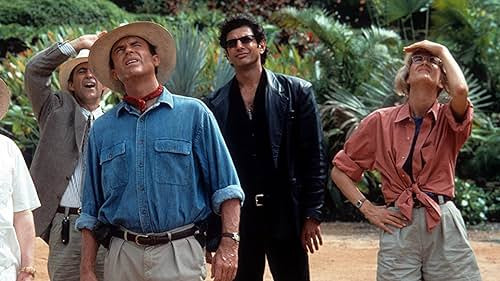
Its sequel, The Lost World, was released in 1997 and was another shot at the humans, specifically Peter Ludlow of InGen, trying to exploit the dinosaurs for publicity. Peter is the nephew of John Hammond and attempted to reboot the reputation of IGen through a dinosaur attraction.
The threequel, Jurassic Park III, was basically a rescue mission where the main antagonists were, once again, the dinosaurs.
Then, in the Jurassic World trilogy, the dinosaurs became the main attraction at the newly opened amusement park encompassing them with some genetically-engineered creatures.
The franchise has revolved around nothing more than dinosaurs, which makes sense because it’s mainly about them, but if each movie is about cloning dinosaurs, saving people from dinosaurs, exploiting dinosaurs, or trying to kill them, what else is left? There is nothing subversive about the plot other than the fact that it has dinosaurs and people will flood to the theaters to see it.
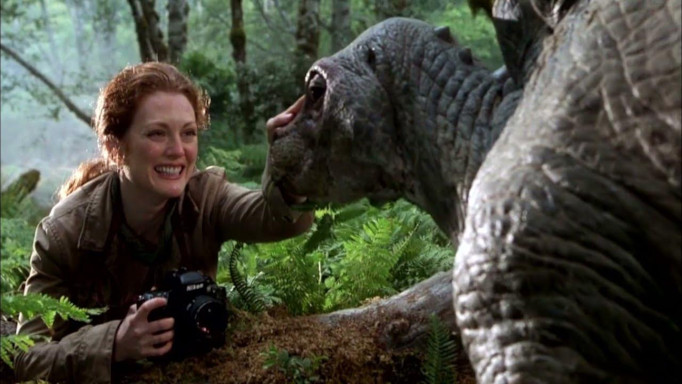
When fans watch the next Jurassic Park installment, they will rightfully assume that its plot will revolve around the usual narrative, with little room left for the audience’s imagination.
Disney has had plenty of financial success with its live-action reimaginings of previous properties and audiences happily gave away their money to the studio for better or worse. It’s a film studio’s job to put out projects that make money, but at this point in time, studios like Universal are playing it safe when they should be venturing into different territory to captivate audiences, and the law of diminishing returns starts to inevitably settle in the moviegoers’ mind.
Jurassic Park is an example of a franchise using its only trick, via dinosaurs, to work its magic at the box office, rather than expanding upon the human characters and making stories that are focused on a human narrative.
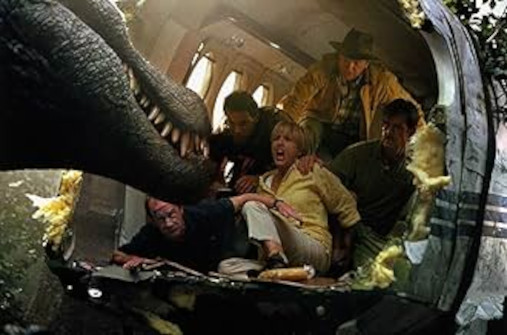
Nothing is left to the imagination and everyone knows how it ends. Dinosaurs run amuck through the film, people will die in the process, and a few will manage to escape but not before the audience can feast their eyes on a huge dinosaur brawl with one of the great lizards roaring for the end credits.
That doesn't make for a compelling story and only provides audiences with a guilty pleasure that will eventually fade out of public consciousness.
Each passing film seems less necessary and more about advertising for amusement parks and selling merchandise. How many other dinosaurs could they possibly show to capture the attention of audiences? We’ve already seen the Tyrannosaurus Rex beat the crap out of everything in its path.
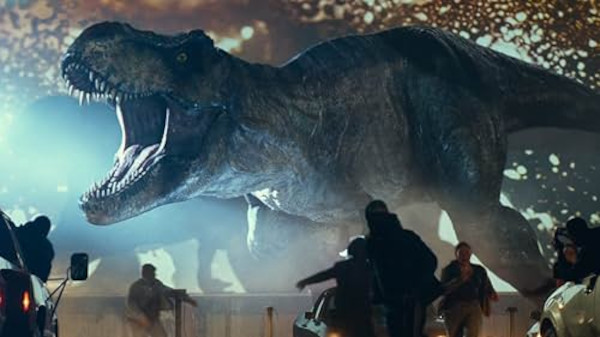
It seems like a tale as old as time where what goes up must ultimately come down, and in the case of the Jurassic Park franchise, it is coming down slowly. If a studio plans to make a sequel, it should be a building block to move the story along in a meaningful way and not use it as a retread to capitalize off of a previously greater intellectual property.
Which begs the question of whether Jurassic Park even needed any sequels to begin with. The original was already a great movie. The only way that this franchise can repair itself would be if it did something so subversive and emotionally resonant that it won’t matter how many dinosaurs are on screen for spectacle.
Author Bio:
Richard Schertzer is a Washington DC-based writer.
For Highbrow Magazine