


Diversity, equity, and inclusion has been at the forefront of President Trump’s socio-political agenda. On his first day back in office, Trump instituted an executive order eliminating DEI programs from the federal government and the “shameful discrimination” they invoke.
Enacting these policies has been complicated. The Department of Defense has flagged thousands of photos and some webpages for removal to comply with the order. Some images, like one of the “Enola Gay,” the plane which dropped the first bomb on Hiroshima, was flagged presumably because “Gay” is part of its name.
Some of these appear incidental and have been reinstated, but there is ambiguity regarding what the current administration deems as discriminatorily highlighting the contributions of minority groups.
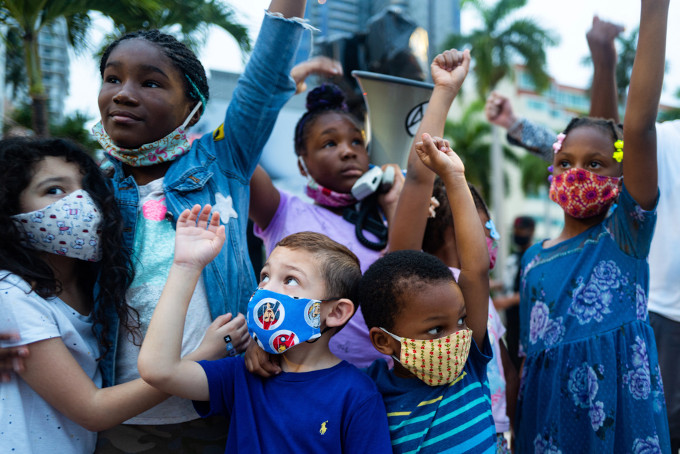
The confused nature of this effort is highlighted by the simultaneous proclamation of February 2025 as Black History Month by Trump. Meanwhile, the DOD issued a news release declaring it would no longer recognize “identity months.” This was copied by Google when removing associated holidays from its calendar.
The purpose of DEI initiatives is to increase the presence of minority groups in American culture, and compensate for their historic marginalization. A common, and now illegal, example would be college admissions preferences for members of such minority groups.
DEI has become a conservative boogieman, a scapegoat for anything -- from the midair collision of a military helicopter with a passenger jet, to the devastation of the Los Angeles wildfires. A lack of supporting evidence is conveniently ignored.
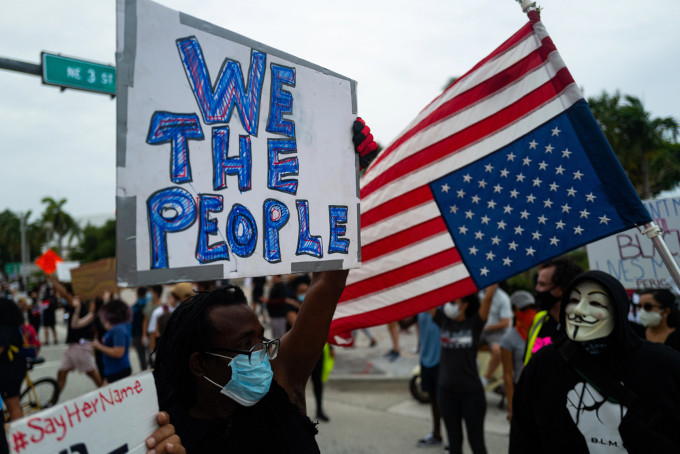
This makes DEI hard to pin down as a cultural term. Trump’s focus on “merit” would suggest the greatest concern is hiring preferences. However, Pentagon initiatives working towards the erasure of diversity-highlighting content indicates broader issues with the philosophy.
Advertising, especially during the first Trump administration, became inundated with political messaging. The 2017 Super Bowl featured politics as a prominent theme for many advertisers. It became so ubiquitous that Saturday Night Live made a sketch about it.
In some respects, this opens up valid criticism of DEI. Blunders like Pepsi’s Kylie Jenner ad, and the concept of “rainbow washing” demonstrate how often social awareness is performative.
This is reinforced by the number of companies now backing down from diversity initiatives. Meta recently shifted content moderation policies, enabling previously banned abuse of the LGBTQ community on its platforms.
Meta overall is a good example, as its hard-right swing also indicates the complete delusion in the anti-diversity craze. In an appearance on the Joe Rogan Experience, Meta founder Mark Zuckerberg commented on the need for more “masculine energy” in corporate culture -- which is ridiculous since corporate America is still dominated by white men – as affirmed by a 2021 Fortune article. While 2021 data is not particularly fresh, even a cursory glance at the 2024 Bureau of Labor Statistics' labor force report shows not much has changed.
The BLS report states 67% of chief executives are men, and 86% are white. Zuckerberg’s comments are even more baffling as the field of computer science is one that has historically been dominated by men and becoming more-so.
Yet backlash against the advocacy of diversity is rampant. There is a site that rates films based on whether they are “woke.” There are controversies around every new live-action Disney adaptation and racist complaints of casting choices.
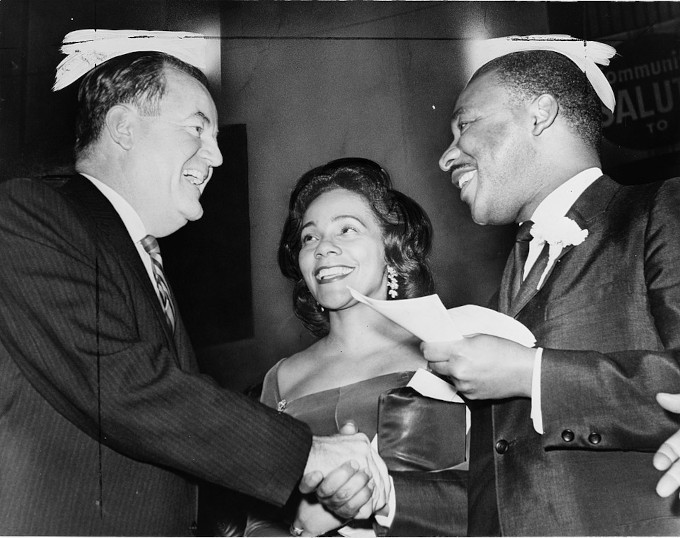

The film industry is also still predominantly white and male. The UCLA Hollywood Diversity Report demonstrates that in 2024, 74.8% of leading characters in theatrical releases were white, and 52.4% men. 52% is the closest men-to-women margin since the report began in 2011, which is usually more than 60% men.
The reverse discrimination concerns are unwarranted. Increased diversity is also legitimately more profitable. The Hollywood Diversity report also reports that in 2024, film casts that were 41-50% black, indigenous, and BIPOC, had a significantly higher median global box office.
A few companies have refused to scale back DEI initiatives, and a Business Insider report indicates one such company, Costco, is directly benefiting from it.

DEI has not yet radically altered the status quo, and it indicates monetary benefit. All the outrage then seems guided by the fact that straight, white men are not considered the focal point of the universe.
Ignoring the recognition and achievements of minority groups is another offspring of the culture war. The “All Lives Matter” response to the “Black Lives Matter” movement implies that the value of black people is somehow supremacist.
The destruction of the mural at the “Black Lives Matter” plaza and a bill requesting it be renamed to “Liberty Plaza” in Washington D.C. serves as an example.
Pride has been challenged by asking: Why not “straight pride?” The argument appears to be that events designed specifically for minority groups make them inaccessible to the majority.

Woke and DEI outrage happens when majority groups feel the same exclusion minority groups are regularly exposed to. I have previously explored how Spider-Man: Across the Spider-Verse’s handling of Peter Parker is one reason that film was excused from woke outrage.
I’m not sure whether that is a good thing. The feeling of discomfort that arises from being excluded is long overdue for many of these DEI critics. Yet, at the same time, the authoritarian response might indicate a need to be coddled through social change to avoid greater regression.
Author Bio:
Garrett Hartman is a contributing writer at Highbrow Magazine.
For Highbrow Magazine
Photo Credits: Despositphotos.com; Library of Congress (Wikimedia Commons).