


Imagine waking up while traveling, only to discover that everyone you know has been brutally killed. Now, envision this exact scenario—but in space. Ash is a psychological horror science-fiction film that follows a young woman named Raya, who awakens on a mysterious planet, only to find that all of her fellow travelers have been murdered in an excessively gory fashion. Stranded, Raya must uncover the truth behind the gruesome massacre and decide whether she can trust a mysterious man who claims he has come to rescue her.
Directed by rapper, producer, and songwriter Flying Lotus, Ash delves deep into the psychological torment of the unknown. Raya has no memory of the horrifying events that led to the deaths of her crewmates, but one thing is certain—danger is omnipresent. As she pieces together fragments of the mystery, her paranoia intensifies, and she becomes haunted by nightmarish, grotesque imagery that threatens to consume her sanity.
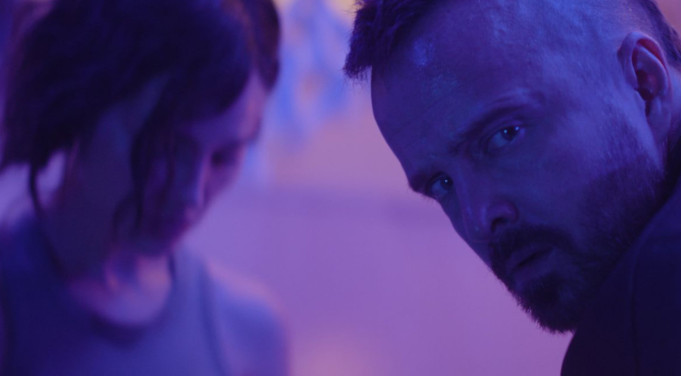
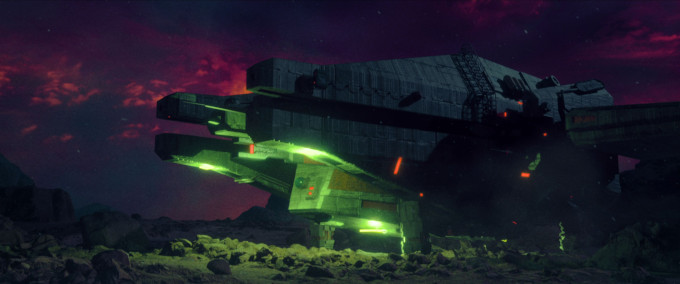
Flying Lotus’s direction is meticulously calculated and intentionally disorienting, immersing the audience in the same heightened state of fear and confusion as Raya. His camerawork transforms every shadow into a potential menace and every step into an agonizing experience. The film pays clear homage to the works of Ridley Scott, particularly his Alien franchise. The use of ominous red lighting recalls the eerie corridors of the ship, Nostromo, reinforcing the film’s deep-rooted connection to the horror and sci-fi genres.
At times, the film evokes the sensation of descending into hell itself. However, while its chilling atmosphere is undeniably effective, the pacing occasionally drags, leaving the audience with more questions than answers. The visual language is unsettling, and several scenes are truly disturbing to behold. Flying Lotus masterfully blends the surreal artistry of horror imagery with the cerebral complexity of mind-bending science fiction, creating a feast for the senses.
Despite the film’s stunning visuals and unsettling atmosphere, its greatest strength lies in the compelling performance of its lead actress, Eiza González. González, who has built a strong reputation in genre films, delivers a powerhouse performance as Raya. Whether portraying a cold-blooded villain in Baby Driver or an anxiety-ridden paramedic in Michael Bay’s underrated thriller Ambulance, she has consistently demonstrated her versatility and star power. In Ash, she fully immerses herself in the physically and emotionally demanding role, capturing Raya’s escalating terror and desperation with remarkable authenticity. As the story unfolds, González’s performance evolves, mirroring the chaotic and surreal nature of her surroundings.
González’s gripping portrayal is further complemented by veteran character actor Aaron Paul, whose performance adds a layer of tension to the film. Best known for his iconic role as Jesse Pinkman in Breaking Bad, Paul delivers a controlled, yet intense performance, keeping the audience constantly questioning his true intentions. His character remains a mystery throughout, and under Flying Lotus’s direction, Paul’s intensity reaches new heights. This role stands out as one of the strongest performances in his post-Breaking Bad career, proving his ability to command the screen in an unsettling, ambiguous role.

As the film nears its conclusion, however, my engagement began to waver. While the final act delivers a handful of striking revelations, a few key twists left me more perplexed than satisfied. Nevertheless, Ash concludes with an unforgettable final few minutes that are sure to leave a lasting impression. Despite its occasional narrative shortcomings, the film’s technical ingenuity, haunting imagery, and exploration of trauma and psychological distress make for a unique horror experience. Ash is a wild, unsettling ride that will leave audiences both confounded and enthralled in equal measure.
Author Bio:
Ben Friedman is a contributing writer and film critic at Highbrow Magazine.
For Highbrow Magazine