


There was a time when bragging about 80-hour workweeks, side hustles that bled into early-morning “grindset” routines, and LinkedIn posts celebrating unpaid overtime was a badge of honor. Hustle culture—America’s favorite brand of self-inflicted servitude—thrived on the illusion that success was a meritocracy of exhaustion, where working yourself to the bone was the golden ticket to prosperity. Millennials, bless our caffeinated souls, bought into it hard.
But Gen Z took one look at the burned-out husks of their predecessors and said, “Nah, that’s giving corporate Stockholm syndrome.”
This generation is rejecting the notion that success is only achieved through perpetual exhaustion. They’ve watched their parents trade decades of loyalty for a pink slip, seen their older siblings grind themselves into corporate misery, and realized that no amount of hustle will buy them an affordable house in a city that isn’t sinking into the ocean. So, they’re rewriting the script, choosing balance over burnout, fulfillment over performative productivity, and a life that isn’t just a never-ending to-do list.
Is this a revolution or just a temporary rebellion? Are we witnessing a sustainable shift in how we define work, or is this just another flavor of existential dread masquerading as empowerment? And perhaps the most burning question of all: If Gen Z refuses to grind, who’s going to make our overpriced oat milk lattes?
Hustle culture didn’t just appear overnight like a get-rich-quick guru on your TikTok feed—it’s been simmering in the American consciousness for decades, sold to us as both a virtue and a necessity. The idea that success is a direct result of relentless work has been a staple of the American Dream™ since its inception, a promise that anyone willing to grind hard enough could ascend from nothing to something. And, sure, it worked for a few steel tycoons and tech bros, but for the average worker, all it really guaranteed was exhaustion and maybe a one-week vacation to Disneyland every two years.

The modern version of hustle culture—workaholism rebranded with a motivational Instagram filter—found its stride in the late 20th and early 21st centuries. The 1980s had Wall Street and its “Greed is Good” mantra, celebrating overwork and excess as the ultimate markers of success. The ’90s saw the glorification of Silicon Valley founders pulling all-nighters and showering at their desks. Then came the 2000s and 2010s, when millennials, drowning in student debt and entering a post-recession workforce, took the baton and ran themselves into the ground.
If you weren’t working 60 hours a week and running a side hustle and monetizing your hobbies and waking up at 5 AM to do sunrise yoga while listening to self-improvement podcasts, were you even trying to be successful? Hustle culture demanded that work wasn’t just a job, it was an identity. Success, then, wasn’t about achieving a stable career but about constantly doing more, because if you weren’t grinding, someone else was outworking you.
And for a while, it worked. Millennials adopted hustle culture with almost religious zeal, propelled by influencers, LinkedIn thinkfluencers, and the rise of the #GirlBoss ethos that told us burnout was just part of the journey. Social media fueled the pressure, as every curated post became an unspoken challenge: “Rise and grind, broke people.” And, of course, corporations lapped it up, eager to squeeze every last drop of labor out of a workforce convinced that unpaid overtime was just an investment in their future.
But like all things unsustainable, hustle culture started to crack. The first warnings came in the form of mass burnout—millennials hitting their 30s and realizing that their tireless work ethic had bought them stress, anxiety, and instant noodle soup for dinner to be able to afford rent. Then came the pandemic, a brutal wake-up call that shattered the illusion of corporate loyalty and forced an entire generation to reevaluate what it was all for.
For decades, hustle culture had operated on a simple but effective con: Work hard enough, and the rewards will come. But the pandemic exposed the fine print, the part where companies will happily profit off your dedication but won’t hesitate to cut you loose the second it benefits their bottom line. Overnight, millions of workers, many of them loyal employees who had done “everything right,” were laid off via impersonal Zoom calls, left to navigate an economy that suddenly had no use for them. The ones who kept their jobs weren’t exactly lucky either, expected to pick up the slack of laid-off coworkers, power through impossible workloads, and be grateful for the privilege.

Meanwhile, corporate America’s response to this extraordinary crisis was its own brand of audacity. Executives sent out heartfelt emails about “unprecedented times” while slashing pay. Billion-dollar companies praised essential workers while offering them pizza parties instead of hazard pay. Some firms dangled mental health initiatives like virtual yoga sessions, as if a guided meditation could make up for a complete lack of job security. Hustle culture had always sold itself as a mutually beneficial contract: Sacrifice, make money for your capitalist overlords, and success will follow. The pandemic revealed it was less of a contract and more of a corporate ransom note.
And as workers across industries hit their breaking point, something exceptional did happen—people started optingout. “The Great Resignation” saw millions quit their jobs, not just for better pay but for better lives. Workers began reevaluating what they were willing to tolerate, what their labor was actually worth, and whether tying their entire identity to their productivity was a fool’s errand.
For Gen Z, many of whom were just entering the workforce, this wasn’t a midlife crisis, it was their first impression of what work really looked like. They saw through the illusion before they had a chance to fully buy in, realizing that no amount of “grinding” could guarantee stability, and no job—no matter how prestigious—was worth sacrificing their mental health.
This was the moment the tide began to turn, because hustle culture had thrived for years on the false promise that hard work equaled success. And if the pandemic cracked the foundation of hustle culture, Gen Z is the wrecking crew, tearing down the remnants of a system they never bought into in the first place. This generation didn’t need a decade of burnout and therapy copays to figure out what millennials had to learn the hard way: that treating work like a personality trait is a one-way ticket to exhaustion with no guaranteed payout.
They watched their parents and older siblings sacrifice everything—mental health, personal time, relationships—only to end up in an economy where homeownership is a fantasy and job security is a relic of a bygone era. They took notes and concluded that hustle culture is just a dressed-up version of labor exploitation, and Gen Z isn’t interested in working themselves to the brink for the promise of “someday.”
Unlike previous generations, Gen Z doesn’t see stress as a status symbol. They’re the first group to grow up with widespread conversations about burnout, therapy and mental health, and the long-term impact of chronic stress. To them, overwork isn’t a sign of ambition—it’s a red flag. The idea that success should come at the expense of well-being isn’t just outdated, it’s laughable. And they’re not afraid to say so. Unlike millennials, who felt the need to mask their burnout with performative enthusiasm (“Running on three hours of sleep and caffeine! #GrindNeverStops”), Gen Z will flat-out tell you they’re not willing to sacrifice their mental health for a 9-to-5. They’re the first to set boundaries, normalize saying no, and treat rest as an actual priority rather than a luxury. The old “rise and grind” mentality has been replaced with something more radical: “I’m here to collect a paycheck, not prove my worth.”

Gen Z has zero illusions about corporate loyalty—mostly because they’ve never seen a reason to believe in it. They watched millennials get laid off in mass waves during every economic downturn, only to be replaced by cheaper labor as soon as the market bounced back. They saw companies gut pensions, erode benefits, and prioritize profits over people. The message was clear: No matter how hard you work, you are replaceable. So why, exactly, should anyone feel loyalty to a system that wouldn’t hesitate to cut them loose?
This is why Gen Z job-hops without guilt and is quick to quit workplaces that don’t meet their needs. They don’t see long tenure at a company as an achievement but as a risk: Staying too long in one place without growth isn’t a sign of stability but stagnation. And if their boss starts talking about “family culture” in the workplace, that’s their cue to run.
And if hustle culture had a little brother, it would be the gig economy—the supposed “freedom” of being your own boss, setting your own hours, and turning your passion into profit. Gen Z isn’t buying into this hype either. They’ve seen the reality behind the marketing, that gig work doesn’t mean independence; it means instability. It means no benefits, no protections, and no real path to long-term security. The “be your own boss” narrative that once seemed empowering has been exposed as just another way for companies to offload costs onto workers while maximizing their own profits. Driving for Uber, freelancing, or monetizing a creative hobby can be viable, but Gen Z is acutely aware of how fragile these income streams are. They’re not deluded into thinking that gig work is a golden ticket -- they know it’s often just a fancier version of paycheck-to-paycheck survival.
For years, hustle culture convinced workers that they weren’t working hard enough if they weren’t making money in five different ways. Gen Z is flipping the script: If an employer can’t provide a living wage, the problem isn’t that the worker isn’t hustling hard enough, it’s that the system is broken. And if Gen Z’s rejection of hustle culture seems like laziness to older generations, it’s only because they mistake self-preservation for apathy. In reality, this generation isn’t refusing to work—they’re refusing to work like that. The frantic, all-consuming, burnout-inducing grind that defined success for their parents and older siblings isn’t just unappealing; it’s inefficient, outdated, and, frankly, embarrassing. Instead of glorifying exhaustion, they’re quietly rewriting the rules, redefining what work should look like, and proving that ambition doesn’t have to come at the cost of mental and physical wellbeing.
And at last, we’ve stopped pretending that a job is anything more than a paycheck. While previous generations felt compelled to feign undying passion for whatever company name happened to be on their email signature, Gen Z has no problem admitting they work to make money, not to “find purpose.” They’ll do the job they’re hired to do, and they’ll do it well, but they’re not going to perform gratitude for the privilege of employment. This, of course, has sent corporate leaders into a tailspin, desperate to frame it as a crisis of work ethic. It’s not. It’s simply a refusal to mistake exploitation for dedication.

Like “quiet quitting,” a concept that made headlines and horrified managers everywhere, despite being little more than a misnomer and a fancy term for “doing exactly what a job requires” and nothing more. Gen Z understands that overperformance rarely leads to promotions, just higher expectations with the same pay. They’ve seen their older coworkers “go the extra mile” only to be rewarded with burnout, layoffs, or a pat on the back that doesn’t pay the rent. So, they’ve set boundaries. They work their hours, do their tasks, and log off when the day is done. No late-night emails, no unpaid overtime, no illusion that being a “team player” will someday be reciprocated. The horror.
And it’s not just about individual rebellion, Gen Z is actively reshaping workplace norms. They’ve been among the loudest voices advocating for a four-day workweek, not because they’re allergic to labor, but because they recognize that productivity isn’t about time served but results produced. The traditional five-day grind is a relic of an industrial economy that no longer exists, and they see no reason to abide by a system that prioritizes performative busyness over efficiency. Studies show that shorter workweeks lead to happier employees and better output, but while companies debate the logistics, Gen Z is already moving on. If a job doesn’t allow them the balance they want, they’ll leave. Simple as that.
That’s not to say they’re anti-work; they’re just redefining what “work” actually means. For many Gen Z, success isn’t about climbing the corporate ladder but having control over their time. And passion projects, creative pursuits, and side hustles aren’t just about making extra income but about reclaiming autonomy in an economy where traditional job paths feel increasingly fruitless. They’d rather invest energy into something meaningful—whether that’s art, activism, or an OnlyFans empire—than waste years trying to impress a boss who sees them as expendable.
This isn’t laziness. It’s strategy. Gen Z knows that burnout isn’t a prerequisite for success, that a job is not a personality, and that working hard should not mean working endlessly. If anything, they’ve cracked the code: Do your job; collect your paycheck; and for the love of wide-leg jeans, take breaks.
Of course, the real question isn’t whether Gen Z is rejecting hustle culture—that much is obvious—it’s whether they can win. Is this a genuine shift in workplace values, a fundamental redefinition of success, or just another moment of rebellion before capitalism finds a way to rebrand itself and pull them back in? After all, the system has a funny way of absorbing resistance and spitting it back out as a marketing strategy. Burnout became “grindset.” Stress became “high-performance culture.” How long before “quiet quitting” gets rebranded as “mindful KPI pacing” and sold back to workers as an empowering career move?
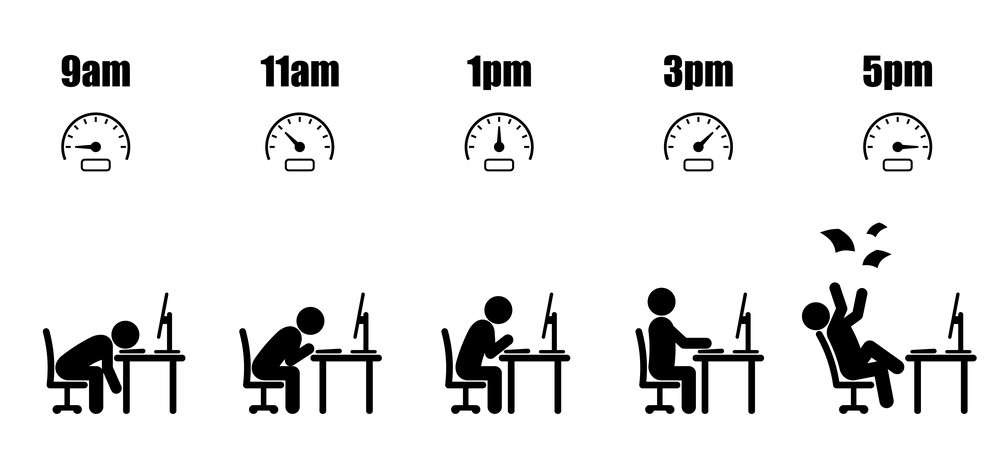
There’s reason to believe Gen Z’s stance on work isn’t just a phase. Unlike past generations, who had to learn through trial and exhaustion that work-life balance was a myth, Gen Z is entering the workforce with that knowledge already baked in. They aren’t discovering burnout in their 30s and wondering what went wrong; they’re anticipating it in their 20s and opting out before it happens. And while older generations love to roll their eyes at their refusal to settle, it’s hard to argue with results. They’re advocating for shorter workweeks, pushing for mental health accommodations, demanding pay transparency, and walking away from jobs that don’t respect them. And, slowly, it’s working. Companies are scrambling to adjust, not because they want to, but because they have to.
But capitalism is nothing if not adaptable, and there’s always the risk that this resistance is just another cycle. The same system that once glorified burnout could just as easily wrap Gen Z’s anti-hustle mindset in corporate packaging and sell it as a new kind of productivity. Already, companies are finding ways to commercialize the backlash. Job postings now boast “flexibility” and “wellness benefits” that, upon closer inspection, translate to being reachable at all hours and a once-a-year meditation webinar. Workplaces promise mental health support while quietly shifting more responsibilities onto fewer people. The language is changing, but is the structure?
There’s also the question of how sustainable this mindset is in an economy that still punishes those who refuse to play the game. The unfortunate reality is that many of the very things Gen Z wants—financial security, homeownership, stability—still require money. And money, for most people, still requires working. So, what happens when rejecting hustle culture collides with the fact that living is expensive? Does Gen Z truly have the power to redefine success, or are they just choosing a different flavor of struggle? Is a four-day workweek actually viable for most industries, or is it just another privilege of tech workers who can afford to work remotely?
For now, the pushback against hustle culture feels real, but so does the system’s ability to co-opt and commodify. So, if Gen Z has successfully dismantled the illusion of hustle culture, what comes next? Does this shift mark a permanent evolution in how we approach work, or is it just another generational pushback that will eventually be steamrolled by the same forces that demand productivity above all else?
The reality is likely somewhere in between. While it’s tempting to imagine a world where every job respects work-life balance, where four-day workweeks are standard, and where success is no longer tied to self-sacrifice, the forces that built hustle culture aren’t disappearing overnight. Capitalism is still capitalism, and while Gen Z may be refusing to grind themselves into dust, the systems that thrive on overwork are already finding new ways to extract labor without calling it that. Flexibility will be dangled like a perk, but only for those who can afford to take a pay cut for it. Mental health awareness will become a corporate talking point, but actual structural changes will come at a glacial pace. The workforce may be shifting, but the economy isn’t suddenly designed to reward balance.

Still, something fundamental has changed. Unlike previous generations, Gen Z isn’t just questioning the grind, they’re rejecting the premise that work should define them at all. They’re refusing to romanticize burnout; they’re openly calling out exploitation; and they’re making it clear that a paycheck will never be enough reason to sacrifice their wellbeing. Even if the system doesn’t fully bend to their demands, the simple act of resisting its expectations is enough to shift the culture. Workers now have the language to name what they once silently endured. People are quitting, bargaining, and setting boundaries in ways that were once unthinkable. Companies are struggling to adapt not because they want to, but because they have no choice. That alone is a victory.
The future of work won’t be a utopia, but it won’t look like the past either. Gen Z may not have destroyed hustle culture entirely, but they’ve made one thing clear: The era of glorified burnout is over. Work will still be work. Bills will still need to be paid. But the unquestioned worship of “grinding” as a moral virtue? That is dead. And good riddance.
Author Bio:
Angelo Franco-DeWitt is the chief features writer at Highbrow Magazine.
For Highbrow Magazine
Photo Credits: Depositphotos.com