


It’s 2025, and the Academy Awards just celebrated its 97th telecast, with the indie sex-comedy Anora becoming an Oscar darling. Yet, the Academy finds itself in a peculiar moment in its history. Twenty-five years ago, in an effort to attract new audiences to the pageantry, the Academy expanded the Best Picture category from five nominations to a maximum of 10. This decision was, in part, a response to the critical and commercial success of The Dark Knight (2008), which failed to receive a Best Picture nomination. The idea was simple: More nominations meant more opportunities for films to be celebrated.
However, 25 years later, the attempt to make the Academy more commercially appealing has seemingly backfired. Of the 10 Best Picture nominees this year, only Dune: Part Two, The Substance, A Complete Unknown, Conclave, and Wicked were widely seen by audiences. A lack of accessibility, seemingly rewarded by the Academy of Motion Picture Arts and Sciences, has made the Oscars feel more insular than ever.
Yet, as the broadcast struggles to understand its declining popularity of its best picture lineup, the answer may lie in a category most viewers dismiss—the nominated shorts, which include live-action, animated, and documentary films, which demonstrate that even the smallest movies can find an audience if made readily accessible.
Just four years ago in my hometown, watching any of the nominated shorts before the Oscars ceremony was nearly impossible. A few popular titles from mainstream studios were available to rent or stream online, but several were inaccessible unless one lived in LA, New York, or attended major film festivals. This lack of accessibility began to change when theaters reopened, with my local Cinemark screening the Oscar-nominated shorts for one day. The following year, it was extended to the entire Oscars weekend. This year, the shorts played multiple times a day for nearly two weeks. As these films became more readily available, more people within the community took interest. The gradual expansion in availability led to more people taking an interest in a traditionally under-seen category.
The lesson seems intuitive: Making a film more accessible leads to more people watching it. Yet, Hollywood continues to treat short films like entertainment broccoli—good for you, but not as appealing as cake. By framing shorts in this way, the Academy discourages audiences from engaging with them.
Undoubtedly, a certain type of story tends to dominate the shorts category, where the subject matter often outweighs the film's artistic quality. As the Academy has become more international, so have the short film nominations. Every year, films focusing on hot-button issues—whether about underprivileged children, war, or other societal concerns—receive recognition. These nominations often allow Oscar voters to signal their beliefs as an organization through their choices.
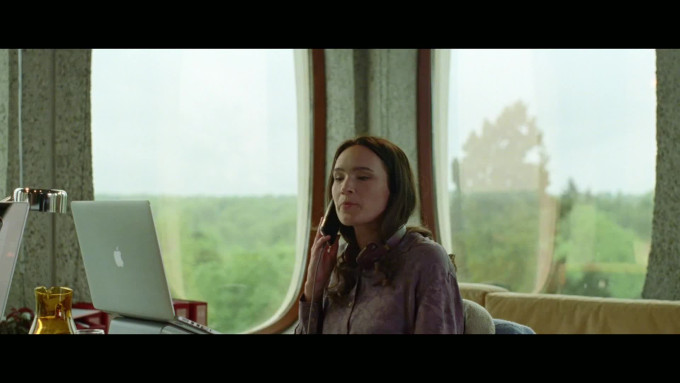
This year’s shorts wrestled with this trend, occasionally breaking from tradition. In the Shadow of the Cypress and The Only Girl in the Orchestra, which won Best Animated Short and Best Documentary Short respectively, represented the Academy’s preference for safe, conventional narratives. However, the Live Action Short winner, I’m Not a Robot, stood out. The film follows a woman who fails a CAPTCHA test and begins to believe she is actually a robot. Among its competitors, it felt like the only film that truly broke convention.
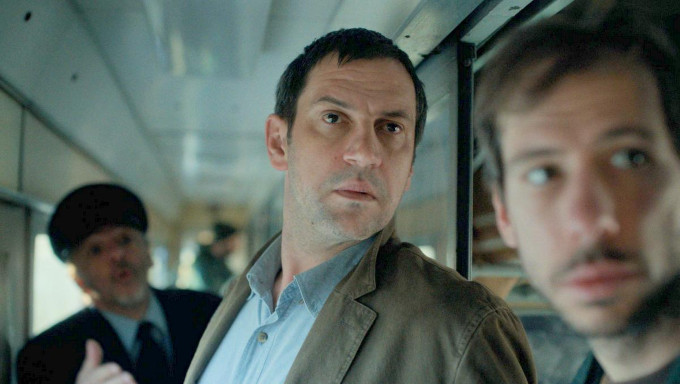
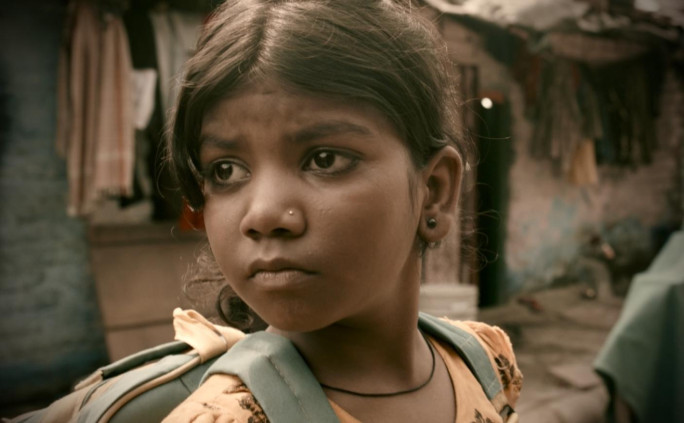
The other four live-action nominees fit the mold of issue-focused storytelling. Netflix’s Anuja follows a young Indian girl’s struggle for education. Another Netflix submission, A Lien, tells the story of a family ensnared in an ICE trap while attempting to process a green card. The Croatian short The Man Who Would Not Remain Silent portrays a man who stood up to fascist authorities mass-murdering Muslims. The Last Ranger focuses on African rangers protecting rhinos from poachers. While none of these films were bad—in fact, many were well-shot and acted—their emotional weight often dictated the audience’s response, rather than their artistic ingenuity.
Films like A Lien and The Last Ranger were devastatingly emotional, making tears the only natural reaction. There is nothing wrong with convention or films tackling important issues, yet I’m Not a Robot stood out precisely because it didn’t conform, which may have contributed to its win.
When the Academy embraces unconventional storytelling, we get thought-provoking films. This year’s batch of documentary shorts was particularly strong. While the New York Times’ Instruments of a Beating Heart felt slight and the winner The Only Girl in the Orchestra overly long and clichéd, the other nominees—I’m Ready, Warden, Death by Numbers, and Incident—offered complex storytelling that reflected America today.
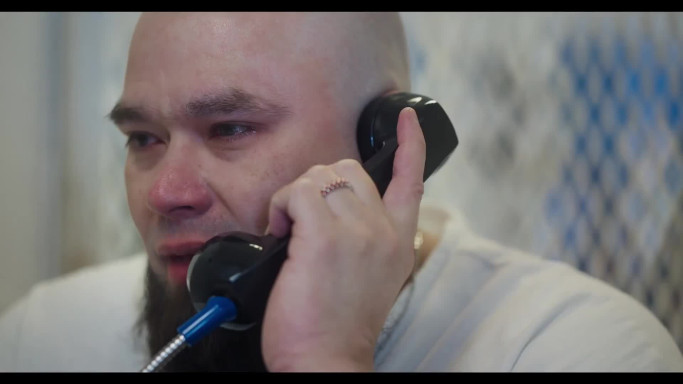
In my screening, I’m Ready, Warden was the most polarizing. It follows a Texan man days before his execution, presenting perspectives from him, his son, and the victim’s family. Death by Numbers documents Parkland survivor Sam Fuentes confronting her assailant in court, unfolding like a deeply personal diary. The most groundbreaking of the batch, Incident, reconstructs the 2018 police shooting of a Chicago man entirely through surveillance and body camera footage. By eliminating narration and traditional documentary devices, the film delivers an unfiltered examination of police manipulation and systemic failure.
If the documentary shorts showcases the power of raw storytelling, the animated shorts proved to be the wild card of this year’s ceremony, offering a mix of deeply bizarre and undefinable taste, for better and worse. This year’s lineup was underwhelming, with only two standout films. The winner, In the Shadow of the Cypress, an Iranian release, felt overly long despite its 20-minute runtime. The stop-motion animated shorts Wander to Wonder and Beautiful Men prompted half the audience to walk out. Wander to Wonder, a surreal mix of Toy Story and David Lynch, follows puppets living in the ruins of their former television show. Though visually striking, it relies heavily on shock value that felt uninspired and juvenile. Beautiful Men, a raunchy comedy-drama about three bald men traveling to Istanbul for hair transplants, failed to land on its humor.
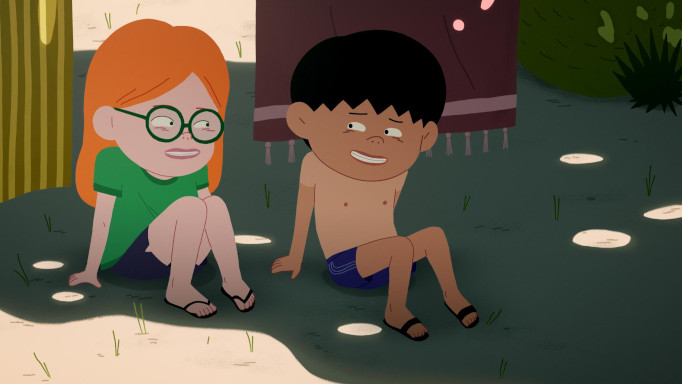
The two most successful animated shorts located a universal emotional core. Magic Candies follows a young boy who buys magical candy, allowing him to hear his dog’s thoughts and understand his father’s emotions. While the story is thin, it captures the wonder of childhood. My favorite, Yuck!, from France, humorously portrays children discovering the mysteries of kissing, encapsulating the awkward transition from childhood to adolescence where the opposite sex becomes alluring despite their cooties.
As the 100th Academy Awards looms just three years away, the organization must grapple with a hard truth: Does it want to grow in popularity among general audiences, or remain insular? The lesson is not necessarily only to reward commercially successful films, but rather utilize the Academy’s power to make their independent cinema darlings more readily accessible. Audiences are willing to engage— the Academy just needs to let them in.
Author Bio:
Ben Friedman is a contributing writer and film critic at Highbrow Magazine.
For Highbrow Magazine