


It’s safe to assume that most people consider physical media dead. In a streaming and subscription-dominated market, physical items seem not only antiquated but inconvenient. However, physical media still holds its own as an important revenue stream for companies.
For example, physical books outsell eBooks. While print books never really lagged behind their digital alternatives, physical media is prevalent even in digitally dominated markets like music. Vinyl record sales have grown for 17 years in a row, and vinyl outsells CDs.
Vinyl certainly isn't the biggest moneymaker in the music industry -- as streaming music still makes up 84% of the profits, but it is a significant revenue stream for artists. While Spotify, which dominates music distribution, rarely reports a profit, merchandise distributor Bandcamp reports a greater profit through physical distribution, mostly vinyl.

The popularity of returning to physical media seems to stem from an appeal to nostalgia and the sentimentality of owning a tangible item. This is evident in the fact that 50% of vinyl buyers do not own a record player.
That notion is echoed by the return of Polaroids, and other instant-print cameras, which hold both a retro appeal and the gratification of an instant physical photo. There certainly isn’t a need for individual cameras, as high-quality photo/video devices are packed in with every phone.
Beyond nostalgia, though, physical media plays a role in preservation. Videogames have long faced the difficulty of inaccessibility following the release of new consoles. This has led to companies like Limited Run Games or iam8bit to issue physical copies of games that are either indie or considered too niche for widespread physical release.

Film and TV are getting the same treatment as games and music in terms of releases. Many popular movies spanning eras are getting 4K Ultra HD re-releases or collectors editions with steelbooks and other goodies. However, it does not appear to have been as effective as in competing industries. Best Buy has stopped selling Blu-Rays and DVDs, despite continuing to sell videogames and vinyl, and other retailers are poised to follow suit.
The convenience of streaming may make this seem irrelevant, yet film and TV are more vulnerable to obsolescence and inaccessibility than most might think. With streaming services’ rotating libraries of content, some films and shows can be difficult to find -- if not completely inaccessible. Other films might be available for digital purchase but not accessible easily through a subscription service.
These are films and TV shows , as listed by A.V. Club, IndieWire, Vulture, and USA Today, which are inaccessible or have limited digital access.
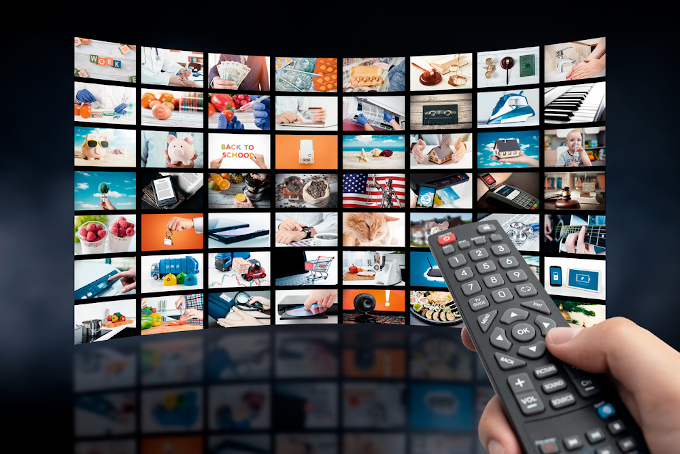
Some of these films may eventually make their way back to streaming, such as the original 1978 Dawn of the Dead and 28 Days Later, which have since been available for purchase digitally. Other films, like Kevin Smith’s Dogma seemed forever lost to anyone who didn't own an original physical copy. The film has since been reacquired and is intended for redistribution this year for its 25th anniversary.
The fact remains that streaming services are failing to meet one of their greatest selling points: unfettered ease of access. Access to movies like Dogma or 28 Days Later lapsing until some pivotal anniversary or the nearing release of a sequel defeats one of the greatest purposes of streaming: being able to watch whatever you want whenever you want.
Nothing is more frustrating than hoping to stream a movie, and not finding it on your platforms of choice. This inevitably leads to the searches of “where to stream X,” only to find it restricted to rental, or obscure services.
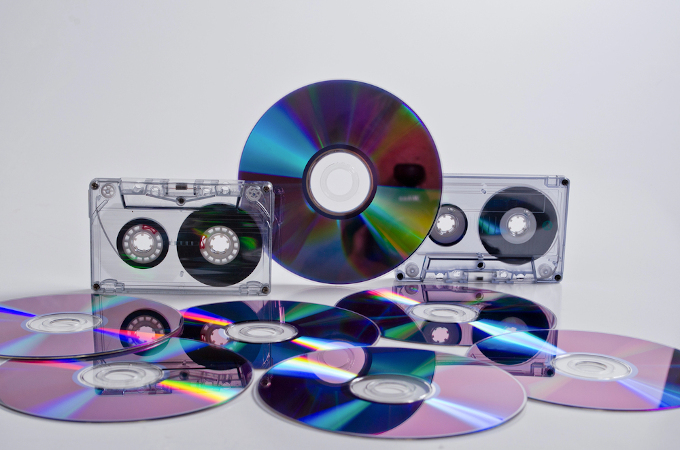
Digital media should be the greatest boon to media archives. After all, books can tear, vinyl degrades, and even DVDs won’t necessarily last forever. With the dubious ownership afforded by Digital Rights Management, physical ownership is the most reliable way to own media you enjoy.
As media is increasingly released only digitally, we risk the possibility of losing content forever should a company decide it’s not worth keeping on its server. While, the relative failure of TV and film to carve out the same physical niche as games and music bodes poorly, the retro revival signifies hope.
Even more media relics are making a comeback. Modern artists are releasing cassettes, which don’t have the high audio fidelity of vinyl. Early 2000s digital cameras have become trendy among Gen-Z for their Lo-Fi aesthetic. Despite the adage “print is dead,” some magazines and other publications, like The Onion, are making new print editions.
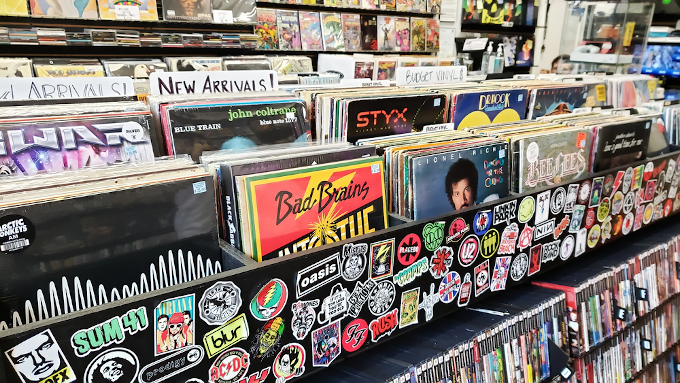
Presumably, this leaves open the possibility for VHS and laser discs to become old and cool enough to become trendy … or eventually even CDs and DVDs. A good thing, even if it's worrisome to think that my childhood medium could become “retro” in the not-too-distant future.
The collector niche physical media is beginning to take may have its own issues, as collectors’ items often hike prices to premiums. However, as fewer computer and game consoles come with disc drives, and streaming becomes more anti-consumer with inconsistent libraries and ads on already paid services, physical media collection gives some reassurance that this vital medium is here to stay.
Author Bio:
Garrett Hartman is a contributing writer at Highbrow Magazine.
For Highbrow Magazine