

Unbeknownst to my wife and me, the hotel where we stayed during our recent trip to Panama was first constructed by Donald Trump before it was sold over a decade ago to new ownership.
In all of Panama City, that’s the last hotel we would have chosen if we had known about Trump’s involvement beforehand. That’s because my wife and I are, to put it bluntly, not exactly fans of him or his lunatic political dogma.
It was all a crazy coincidence that we booked a vacation in Panama just before Trump first issued his threats to have the United States seize control of the Panama Canal away from Panama.
During our short trip, it became our cause célèbre to hear about how Panamanians feel about Trump. What Trump says about the Panama Canal goes along with his other fantasies that the United States should buy Greenland and that Canada should become the 51st U.S. state.
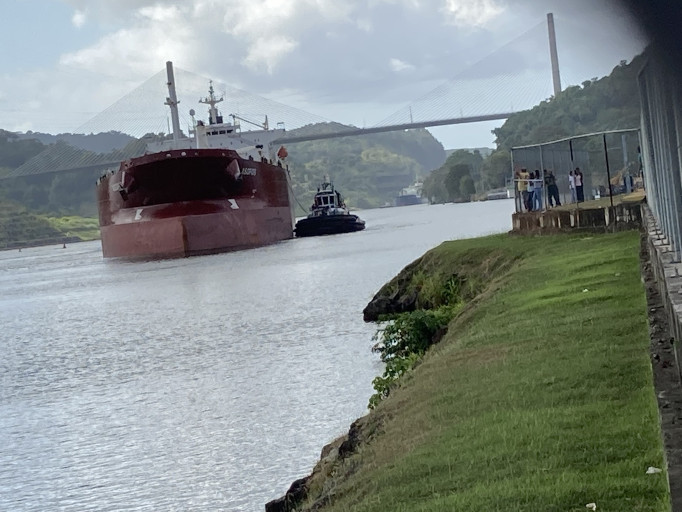
The tour guide we hired to visit the Panama Canal said, upon our prompting, that all the Panamanians he knew considered Trump “loco.” That stemmed from Trump wanting America to resume control of the 51-mile “eighth wonder of the world” that had been finished in 1914 to allow maritime traffic to pass through the man-made waterway connecting the Atlantic and Pacific Oceans.
“We Panamanians don’t like Senor Trump,” said Robert, our English-speaking guide. “We used to think he might be OK. But he has no respect for us.”
Robert’s sentiment about Trump reflected that of our admittedly tiny sample of the Panamanian people we talked to during our five-day stay. The U.S. had transferred control of the canal to Panama under a 1977 treaty and every Panamanian we encountered said their country had no intention of giving it back to the Americans, no matter what Trump threatened.
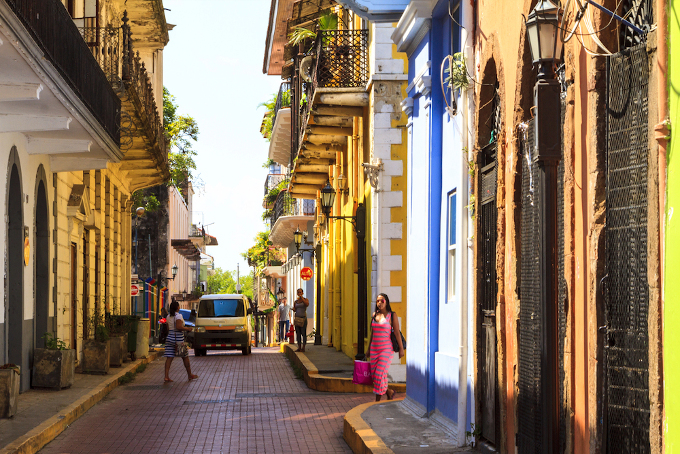
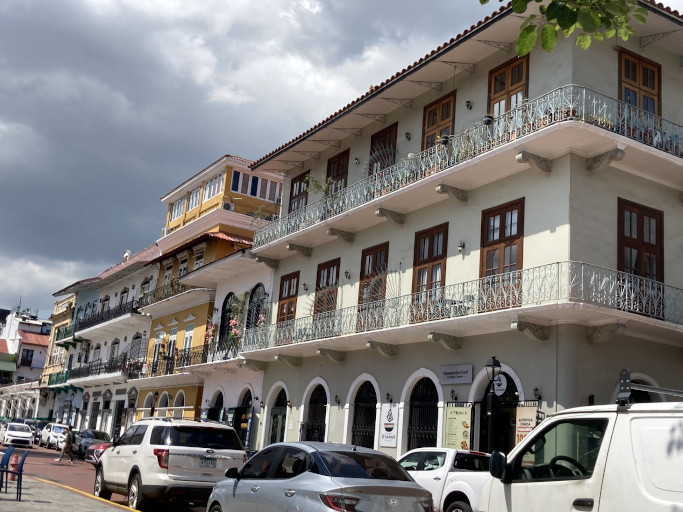
On our third day, we headed toward the country’s seat of maximum power in Panama City’s old town. This is where the president works and resides at the Palacio de las Garza (Herons' Palace). The name derives from the herons roaming freely in the courtyard. We were told by armed guards outside the presidential palace that the Panamanian president, Jose Raul Mulino, wasn’t home that day as he was attending the World Economic Forum in Davos.
“Be serious, be serious,” Mulino had responded to reporters’ questions in Davos whether he was concerned the U.S. would invade after Trump said he would take back the Panama Canal.
Mulino said Panama has administered the canal responsibly for world trade, including for the United States, and that “it is and will continue to be Panamanian." Maybe El Presidente Mulino and his fellow Panamanians might like to give Trump a root canal every time he issues threats to take over the Panama Canal.
As Americans, we felt it was our patriotic duty to tell the president and his fellow Panamanians that many of our countrymen are diametrically opposed to Trump’s statements about the canal.
Since we were in the neighborhood, we picked a Panamanian “comida tipica” restaurant for lunch. It seemed to be a popular eatery for the many tourists and Panamanian government workers who went inside to escape the brutal 95-degree midday heat.
Perhaps it was because it was so hot outside, but I didn’t have much appetite for the arroz con pollo I ordered and left it unfinished. My wife had no such problems with her dish of ceviche de pescado frito, as she washed it down with her fruit juice refreshment.
Panama City is a dynamic place for tourists since it combines the old with the new. Many Americans and other expats, especially retirees, live there, attracted to the country’s tropical climate. Several places of special interest for us were the city’s museums that tell the miraculous story of how the Panama Canal was built, along with explaining the country’s rich natural history and its pivotal role in protecting Central America’s biodiversity.
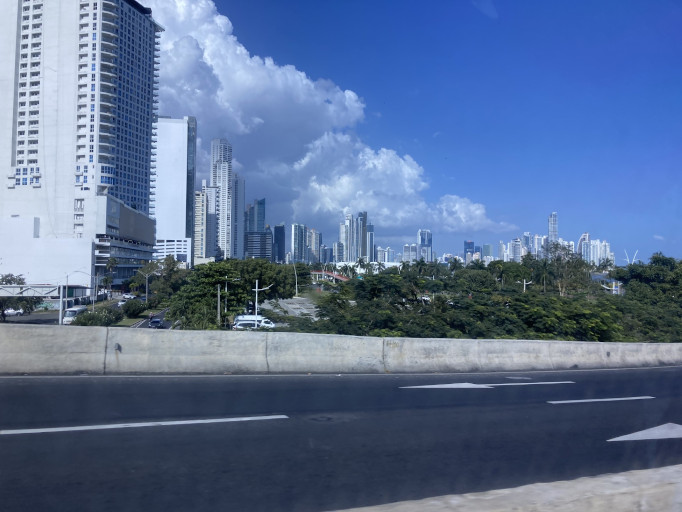
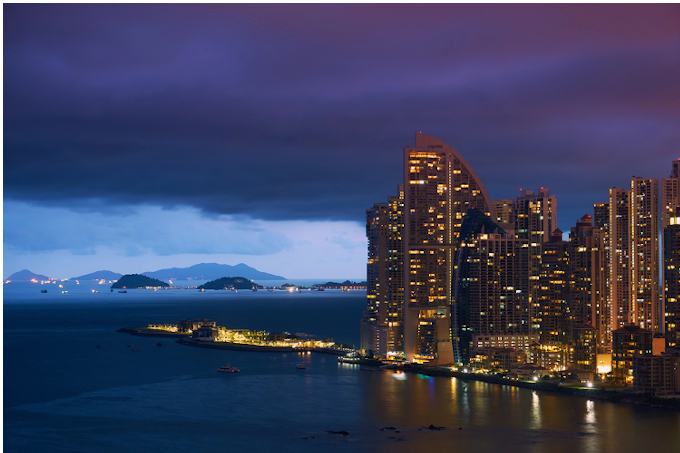
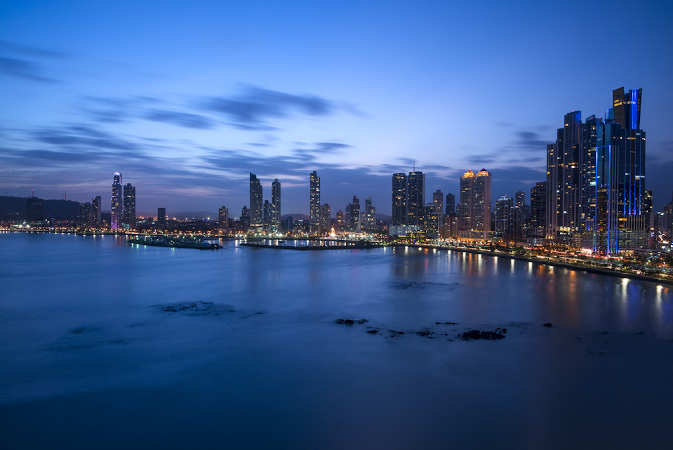
On our last day, we toured a bustling marina off the coast of Panama City. The marina might serve as a reminder of San Francisco’s Fisherman’s Wharf neighborhood with its many shipping and tourist boats and seafood restaurants. From a distance, you get a spectacular view of downtown Panama City’s office and condominium skyscrapers. The vista reminded me of Manhattan with its Empire State and World Trade Center buildings and other highrises.
A curiosity for me, especially since I was born Jewish, was that at our hotel was in the Punta Pacifica section of town, where all the men were wearing yarmulkes. We learned our hotel was near three Jewish synagogues and that the history of the Jews in Panama traces back to the 1500s when the first Crypto-Jewish Sephardic immigrants began arriving from Spain and Portugal.
Who knows what Trump might do regarding his threats about Panama and other places where he seems to delight in upsetting the world order. We left Panama glad, maybe even relieved, that at least during our trip, Trump had yet to order troops to invade Panama and take over its canal.
Based on our own enjoyable personal experience, we believe that despite Trump, the Panamanian people still welcome Americans to visit their remarkable nation.
Author Bio:
Eric Green, a Highbrow Magazine contributor, is a former newspaper reporter, U.S. congressional press aide, English-as-a-second-language teacher, and now a freelance writer in the Washington D.C. area. His articles have appeared in various newspapers and websites, including the Washington Post and Baltimore Sun.
For Highbrow Magazine
Photo Credits: Rose Green, Depositphotos.com