


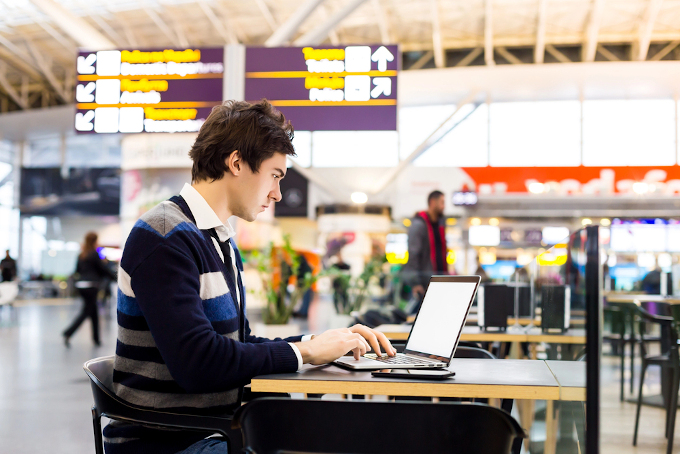
In the golden haze of travel blogs and Instagram feeds, the digital nomad lifestyle gleams like a mirage of modern freedom: a laptop perched on a sunlit terrace, the hum of an exotic city in the background, or perhaps the gentle crash of ocean waves. It’s a narrative built on the allure of untethered living—trading cubicles for coworking spaces in Bali, swapping rush hour for leisurely strolls through Lisbon. For many, it’s a dream realized, one of flexibility, autonomy, and the kind of work-life balance that feels almost mythical.
But peel back the filters. Because while the digital nomad life touts freedom for its practitioners, it may come at a cost to the communities they inhabit. Gentrification. Rising rents. Cultural commodification. They’re stories that often get buried beneath the curated snapshots of flat whites and beach bonfires. In this age of global mobility, where borders blur and currencies shift at the speed of Wi-Fi, is the digital nomad lifestyle just the next chapter in a long history of exploitative tourism? Or is there a way to pursue this dream responsibly, fostering connection and mutual benefit rather than imposing displacement and disruption?
If the cubicle was the emblem of the 20th-century workforce, the laptop in a café is its millennial counterpart. The digital nomad lifestyle isn’t just a trend—it’s a response to a seismic shift in how work is defined, performed, and valued. With the rise of remote work, freelance economies, and the gig revolution, people untethered from traditional office spaces have discovered that “home” is wherever the Wi-Fi connects. And this isn’t just about freelancers hopping between time zones anymore; it’s architects drafting designs from a terrace in Oaxaca, marketers tweaking ad campaigns from a co-living space in Chiang Mai, and coders building the next big app while sipping matcha in Kyoto.
We also can’t forget the effect of 2020: The pandemic didn’t just accelerate remote work, it mainstreamed it. Companies that once resisted flexibility are now championing hybrid models, allowing employees to work from anywhere, and digital nomadism is its natural evolution.
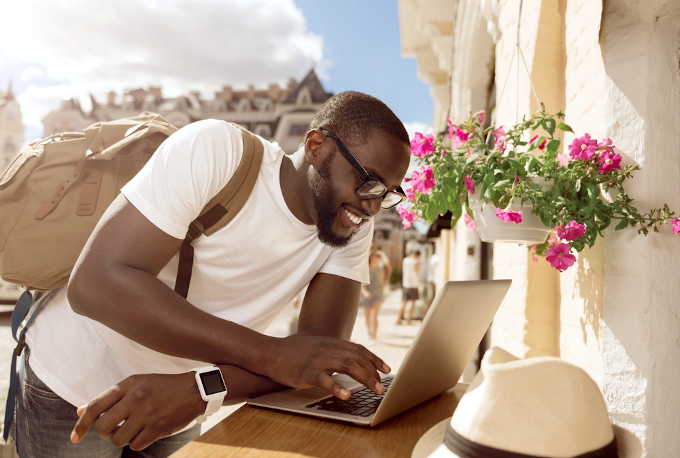
But this newfound mobility isn’t purely logistical, it’s also deeply aspirational. There’s an intoxicating promise in the idea of unchaining your career from geography, of trading grey office walls for sun-drenched coworking hubs and pastel-painted streets. It’s less about rebellion against traditional work structures and more about the pursuit of a life that feels abundant in experiences rather than possessions (though it doesn’t hurt when the dollars you are paid hold extremely high value in a developing country). What was once the domain of trust-fund travelers and risk-taking freelancers has become a movement.
Meanwhile, social media has turned digital nomadism into a curated spectacle of enviable freedom—beaches at golden hour, open laptops perched beside acai bowls, and captions with a plane and a dollar sign emojis. The aesthetic is irresistible, offering a seductive narrative that marries work, leisure, and perpetual adventure. Platforms like TikTok, YouTube, and even LinkedIn have amplified this fantasy, with influencers sharing step-by-step guides on how to escape the rat race and join the ranks of the remotely employed.
At least that’s the pitch, but like any trend that promises utopia, it’s worth asking: at what cost?
Because the whole of it is, of course, a filtered reality. These polished portrayals mask a more complex truth: that the lifestyle is often less about freedom and more about privilege. The platforms that make nomadism look effortless are the same ones that inadvertently set unrealistic expectations, both for would-be nomads and for the communities on the receiving end of this influx. And while digital nomads reap the rewards of global mobility, the communities they settle into often bear the brunt of the costs. What looks like a dream on social media can feel more like a nightmare for locals grappling with skyrocketing rents, displaced traditions, and the pressures of a new cultural imbalance.
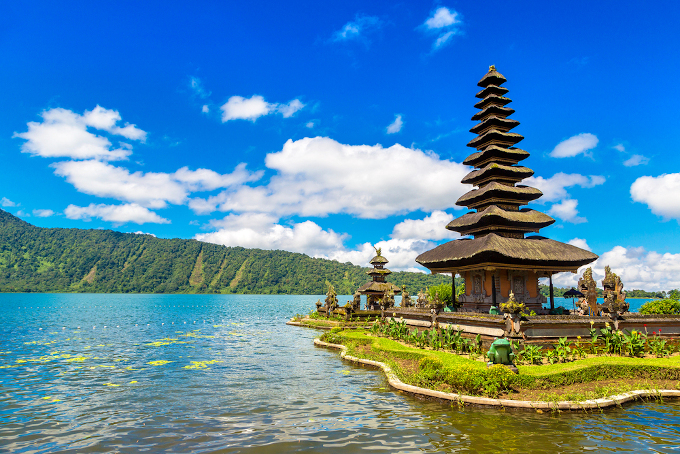
When a remote worker earning a New York or London salary arrives in a city where the cost of living is a fraction of their home base, the disparity creates ripple effects that can feel like tidal waves to local residents. Digital nomads, almost certainly unintentionally, become agents of gentrification. Their presence inflates housing prices, as landlords convert properties into short-term rentals to cater to this lucrative demographic. For locals, what was once affordable becomes unattainable, and the gap between incomes stretches wider. It’s a phenomenon that’s particularly stark in developing countries, where the influx of foreign wealth can upend local economies. A coworking space or “expat-friendly” café may seem harmless, but they often signal the beginning of a shift where businesses cater increasingly to transient visitors rather than long-term residents. Local shops and markets give way to artisanal coffee bars; street food stalls are replaced by boutique eateries offering avocado toast at prices that rival those back home. For the communities affected, this isn’t just an inconvenience—it’s a displacement. The very neighborhoods that draw digital nomads for their charm and authenticity are gradually reshaped, leaving locals priced out of their own cities.
It’s not all bad news, of course. Some argue that digital nomads contribute to local economies by spending on goods, services, and accommodations. While true in theory, the question remains: Who is truly benefiting? When profits are funneled into expat-owned businesses or international chains, the economic boost rarely trickles down to the people who need it most. These economic shifts triggered by digital nomads don’t happen in a vacuum; instead, they ripple outward, reshaping the cultural fabric of the places they touch. Neighborhoods that once thrived on community bonds and local traditions begin to evolve under the weight of external influences. Artisans may find themselves trading their heritage crafts for trendy souvenirs, while long-standing cultural practices are diluted to fit the tastes of transient visitors seeking an “authentic experience.”
For locals, this can feel less like cultural exchange and more like cultural commodification. The influx of digital nomads often brings with it a flattening effect, where unique traditions are repackaged and sold to meet the demands of an Instagram-driven aesthetic. What was once vibrant and rooted becomes another curated backdrop, stripped of its deeper meaning.
Consider, for instance, the rise of “nomad hubs” in cities like Bali or Lisbon, where coworking spaces and yoga retreats cater exclusively to outsiders. The blending of cultures can be enriching, but when the balance tips too far, locals may find themselves alienated in their own communities—relegated to the role of service providers in an economy they no longer control.

How did we get here?
The promise of digital nomadism rests on a deceptively simple idea: that you can work from anywhere. But “anywhere” is a loaded term, one that glosses over the complexities of geography, economics, and culture. For nomads, “anywhere” often means places that are accessible, affordable, and aesthetically appealing. Basically, a shortlist that is dictated by privilege. That’s the rub: “anywhere” isn’t universal. It’s defined by those who can afford to see the world as their oyster and whose passports unlock borders with relative ease. The same passport power that lets a European or North American worker breeze into Hanoi or Mexico City can be a barricade for locals who may not have the same freedom to leave. While digital nomads enjoy the novelty of moving through spaces as they please, residents are often stuck navigating the realities of structural inequality.
This mobility imbalance creates a subtle but significant power dynamic. Digital nomads, with salaries tied to wealthier economies, wield financial power that can shift local markets and social structures. It’s not just about higher rent prices or pricier coffee, but about creating an environment where locals are increasingly outnumbered in their own spaces, their cultural agency diminished by the presence of outsiders who treat “home” as a temporary stop on their itinerary.
Worse still is the ideology that often underpins the nomadic dream: the notion that all places are interchangeable, that one can trade one picturesque locale for another without missing a beat. This commodification of place turns cities into backdrops and homes into Airbnbs, reducing rich cultural identities to aesthetic appeals.
The result? A growing divide between those who see a destination as a means of reinvention and those for whom it is the only place they’ve ever known. The anywhere ideology, while empowering for some, risks erasing the specificity and significance of somewhere.
This rise of digital nomadism is a bellwether for a broader transformation in how we think about work itself. The traditional 9-to-5 office, with its fixed locations and rigid schedules, is rapidly giving way to a new paradigm: one where productivity is measured not by hours spent at a desk but by results, and where work is something you do, not somewhere you go.

This evolution didn’t happen overnight. The pandemic accelerated trends that were already gaining traction, forcing companies to embrace remote work on a global scale. What started as a necessity has become a competitive advantage, with businesses realizing that offering flexibility isn’t just good for employee morale—it’s good for the bottom line. Talent is no longer confined to geography, and employees are free to craft lives that better align with their personal priorities.
Digital nomadism represents the logical extreme of this shift: a lifestyle that embodies the ultimate flexibility, where work and life seamlessly blur. But it also exposes the cracks in this new world of work. For all its promises of freedom and balance, this model remains tethered to privilege. It’s easier to romanticize the idea of working from a hammock in Tulum when you have a safety net to fall back on, whether that’s in the form of a high-paying tech job, a second passport, or the ability to afford international healthcare.
For companies, the challenge lies in navigating this new landscape responsibly. While remote work opens doors for diverse talent pools, it also risks reinforcing inequalities if the benefits are concentrated among those who are already well off. Organizations must grapple with questions about fair pay across regions, the ethics of location-based salaries, and the environmental impact of a workforce that increasingly values mobility over permanence.
At its core, this changing work culture offers an opportunity to rethink what work means and whom it serves. In other words, while the digital nomad lifestyle promises liberation for individuals, it also amplifies questions about who gets to move freely, who benefits from mobility, and who is left behind. And for this shift to be truly revolutionary, it has to go beyond the individual freedoms of digital nomads and address the systemic barriers that still prevent many from accessing those freedoms in the first place.
After all, freedom of movement is not an equitable promise. For many in the Global South, crossing borders remains a bureaucratic and financial challenge, while nomads from wealthier nations navigate visa programs designed specifically to attract them. As digital nomads embrace the idea of living “anywhere,” they may inadvertently deepen these divides. The influx of mobile professionals into developing regions often results in policies and infrastructures that prioritize attracting foreigners over addressing local needs. Governments eager to boost tourism dollars might invest in co-working hubs and fast internet while neglecting public health or housing crises.
And global implications of this lifestyle extend beyond individual actions. By bringing foreign income into local economies, digital nomads can simultaneously enrich and destabilize communities. Local businesses catering to nomads may thrive, but this prosperity often comes at the expense of affordability for residents. It’s a dynamic that echoes the broader trends of globalization, where wealth is concentrated among the mobile elite while those without access to such opportunities face rising costs and shrinking resources.
But perhaps the most troubling global implication of digital nomadism is its potential to replicate patterns of modern colonialism. When nomads arrive in developing countries armed with currency conversions that stretch their purchasing power, they wield an outsize influence over local economies and cultures. Without deliberate efforts to respect and uplift the communities they inhabit, this lifestyle risks echoing historical power imbalances, where the benefits flow disproportionately to outsiders.
Yet, this doesn’t have to be the story of digital nomadism. The very same mobility that creates these challenges also offers opportunities for connection and mutual benefit. Digital nomads, by virtue of their flexibility and resources, have the power to contribute meaningfully to the places they call home—even if only temporarily. Supporting local economies, engaging in cultural exchange, and advocating for fair policies can turn the tide from exploitation to collaboration.

With power comes responsibility
There are steps a would-be digital nomad can take to minimize their impact on the local communities they settle in and even, sometimes, enhance it. The question shouldn’t be whether their lifestyle has an impact, it’s what can be done about it. Embracing a “work-from-anywhere” ethos doesn’t have to mean ignoring the footprints left behind. The challenge: How do you live a life untethered without uprooting the communities you land in?
First, follow the golden rule of travel: Leave a place better than you found it. Support local businesses instead of multinational chains, and choose accommodations owned and operated by residents rather than big-ticket conglomerates. Shop at markets, eat street food, and invest in the economy that makes a place unique, rather than the one catering to outsiders.
Even better, put down roots—figuratively, at least. Volunteering, skill-sharing, or partnering with community initiatives can create meaningful contributions that last longer than a three-month visa. Be more than a tourist with a to-do list, become a part of the community you’re inhabiting, even if temporarily.
Next, adopt a lens of respect and awareness. Every destination is someone’s home, not just your coworking playground. Learn the local customs, language, and etiquette. But don’t make it just performative assimilation, it’s about acknowledging and honoring the traditions that make a place what it is.
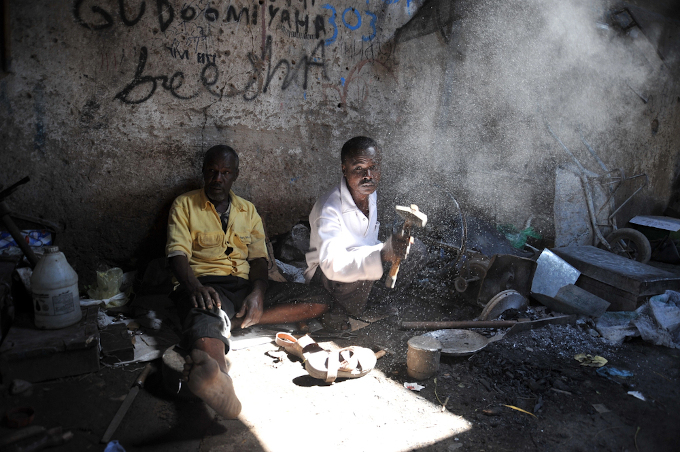
And let’s not sugarcoat it: There’s a thin line between cultural appreciation and appropriation. If you’re wearing something or posting something that feels a little too on brand for the feed, ask yourself who benefits. If the answer is “me, my followers, and maybe some brand sponsors,” it’s time to reconsider.
Digital nomadism may never be the poster child for sustainability, but there are steps to lighten the load. Embrace slow travel: fewer flights, longer stays. Opt for trains, buses, or carshares when possible. Choose accommodations and coworking spaces that prioritize eco-friendly practices, and make an effort to reduce your waste and energy consumption. Offsetting carbon emissions is a good start, but don’t let it become a catchall excuse for unsustainable habits. Treat it as a supplement to conscious choices, not a free pass to book the cheapest flight across three continents.
Finally, recognize the privilege that comes with being able to live this way. The ability to hop from Bali to Berlin is rooted in systems that favor mobility for some, while denying it to others. Acknowledge the impact, accept the responsibility, and understand that part of living freely is ensuring your freedom doesn’t come at someone else’s expense.
Responsible nomadism can’t be about perfection, but it can be about intention.
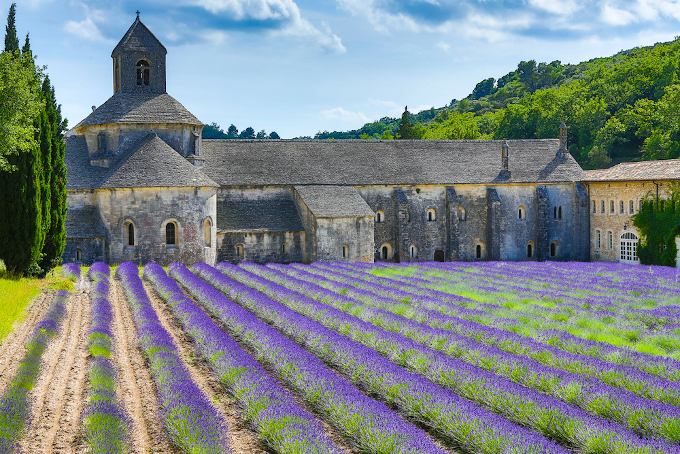
The digital nomad lifestyle is often sold as a utopia, a world where borders dissolve, work becomes portable, and life feels like an endless series of adventures. But it’s clear that this freedom is not without consequence. Behind every laptop on a beach lies an impact on the economies, cultures, and ecosystems that host this new wave of global workers.
Still, this doesn’t mean the digital nomad dream should be abandoned. Instead, it calls for evolution—a commitment to balancing personal freedom with collective responsibility. This means moving beyond the mindset of “anywhere” and embracing a deeper respect for somewhere. It’s about recognizing that the places where we work and live are not just stages for our stories but homes with histories, challenges, and communities that deserve acknowledgment and care.
Digital nomads have the unique privilege of bridging worlds, experiencing cultures firsthand while contributing to global interconnectedness. But privilege carries obligation. The future of this lifestyle will depend on whether its practitioners can adopt an ethic of intentionality: supporting local economies without displacing them, respecting cultural boundaries without commodifying them, and treading lightly on the planet while embracing mobility.
Perhaps this isn’t just a story about digital nomadism—it’s a reflection of the broader global shifts we face as work, travel, and technology become ever more intertwined. It’s a call to reimagine what it means to live freely and to do so in a way that uplifts, rather than undermines, the world through which we move.
The view may be awesome, but the responsibility is even greater. It’s a good time for digital nomads to look up from their screens, at the places they inhabit, and ask not just what they’re getting, but what they’re giving in return.
Author Bio:
Angelo Franco-DeWitt is Highbrow Magazine’s chief features writer.
For Highbrow Magazine
Photo Credits: Depositphotos.com