


Cue the Sun: The Invention of Reality TV
By Emily Nussbaum
Random House
440 pages
For those of us who weren’t paying attention, reality TV seemed to spring up out of nowhere. Suddenly, it seemed, we were bombarded on all sides by unscripted television series (The Real World, Survivor, Big Brother, The Bachelor, etc.). In what appeared to be no time at all, reality TV took the country, and soon, the world, by storm.
But as journalist and critic Emily Nussbaum details in her new book, Cue the Sun: The Invention of Reality TV, this genre’s “ancestry” can be traced back to the golden age of radio and the earliest days of television. In the 1940s and 1950s, audiences displayed a huge interest in shows like Candid Camera (a successor of sorts to Candid Microphone). Then there was Queen for a Day, The Dating Game, and so on.

As Nussbaum writes:
“To audiences … these programs had always had an obvious allure: They offered something authentic, buried inside something fake. They stripped away the barrier between the star and the viewer. More than any other cultural product, they functioned as a mirror of the people who watched them—and if that reflection was sometimes cruel, it was also funny, riveting, outrageous, and affecting even if—maybe especially if—you found it disturbing.”
Her comprehensive history of reality (and pre-reality) TV consists largely of accounts of the visionaries, executives, and “creative misfits” (almost exclusively white males) who, through sheer ambition and innovative thinking, brought about drastic changes in TV programming that persist to this day.
For example, John Langley, who co-created the groundbreaking Fox series, Cops, had “a peppery, eccentric resumé,” prior to cashing in on the advent of unscripted television. Langley’s experience included a stint in military intelligence; almost completing a doctorate in philosophy at UC Irvine; directing a Dolph Lundgren exercise video; and making a movie called Cocaine Blues: The Myth & Reality of Cocaine. (This scattershot resumé is typical of others in the book who got their big break in reality TV.)
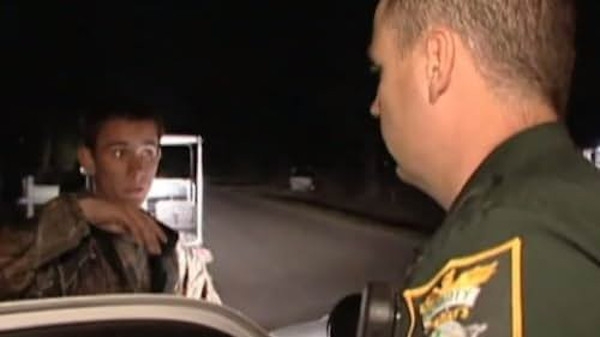
Then came Cops, which Nussbaum sees as being both linked to the past and having a “catalytic effect” on modern-day TV:
“But for all of Cops’s shaky-cam, unpolished aesthetic, which reflected a new era of surveillance cameras, it was also a continuation of an earlier tradition, a direct descendant of one of television’s oldest hits, the 1951 police procedural Dragnet … While Dragnet wasn’t a reality show, it played one on TV, down to its iconic opening: ‘Ladies and gentlemen, the story you are about to see is true.’”
Of course, in our era, the notion of what’s true or not true has taken a beating. These days, truth has become a kind of slippery, nebulous thing—due in no small part to former president Donald Trump, a past purveyor of reality TV, who found himself legitimized by his stint as host of The Apprentice. Without the exposure Trump enjoyed on this long-running show, it’s altogether likely he would never have come anywhere near the Oval Office.

At times, the writing in Cue the Sun comes off as breezy, the tone and language perhaps better suited for the pages of The New Yorker (“listeners freaked out,” “a bang of a lede”), where Nussbaum is a longtime staff writer.
Also, the depth of her research and reporting culminates in a somewhat repetitive pattern—outlining each rogue individual’s flashy idea for a reality TV show, then taking us through seemingly endless conflicts with TV executives—that doesn’t vary all that much throughout the book.
Nonetheless, readers are unlikely to come upon another book on this topic that so thoroughly explores its checkered past and describes in such detail the behind-the-scenes maneuvering that ushered in what we now blithely accept as reality TV—even if reality itself has little to do with it.

Author Bio:
Lee Polevoi, Highbrow Magazine’s chief book critic, is the author of a novel, The Confessions of Gabriel Ash.
For Highbrow Magazine