

I am not the first, nor will I be the last, to point out Hollywood’s current exhaustive unoriginality. However, the overuse of recognizable brands has taken such a prominent role in entertainment that it has transcended the simple accusations of uninspired cash grabs, and evolved.
Puppeting around the corpses of stagnant franchises is less some desperate need to fill the ether with derivative content, or an obligatory effort to make whatever money there is to be gained by slapping a recognizable name on a project.
The resurrection of dead franchises and the creation of new ones based on recognizable intellectual properties all target one core emotion: nostalgia. Hollywood is not facing a lack of ideas; rather, it's facing a nostalgia epidemic.
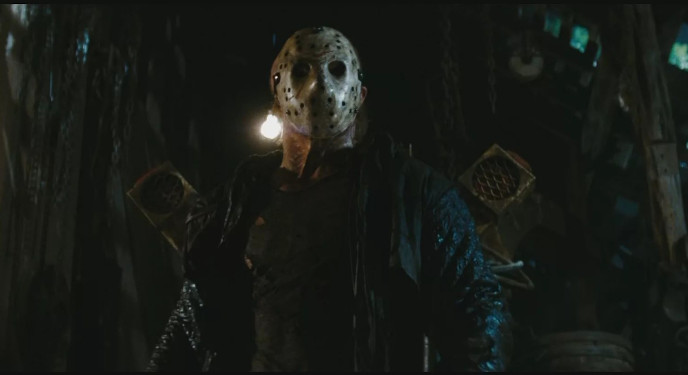
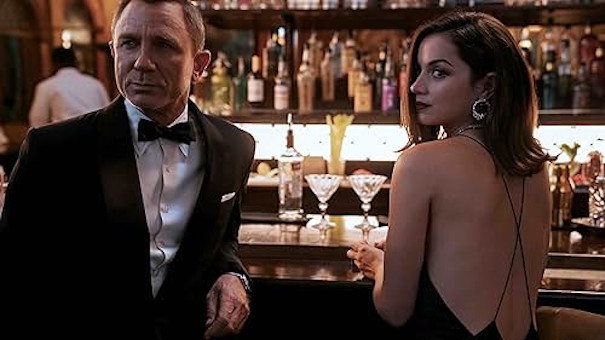
Series that go on and on like the The Fast and Furious films, Friday the 13th, and James Bond 007 are a longstanding tradition of film, and what sets this apart from this newer appeal to nostalgia is how many of the resurrected franchises have been largely dormant.
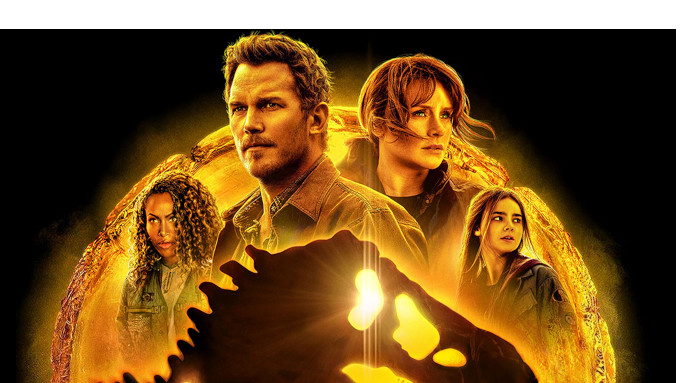
For example, one of the first films to do this sort of revival is 2015’s Jurassic World. A story which passively acknowledges the events of the prior Jurassic Park movies, the last of which was released in 2001, 14 years earlier.
While there have been larger gaps between films in franchises -- for example, James Bond has had six-year gaps between films like License to Kill (1989) and GoldenEye (1995), or nine years in the Friday the 13th franchise, between Jason Goes to Hell: The Final Friday (1993) and Jason X (2002), these long gaps seem to be a relatively new advent.
To illustrate this point, I’ve constructed a list of films with their release dates and time gap from the other films in the franchise. While there are some outliers such as Ghostbusters 2016 being released five years before Ghostbusters Afterlife, Afterlife and other franchises like Halloween 2018 and Child’s Play 2019 largely disregard films between them and their progenitor films.
Sequels and Reboots:
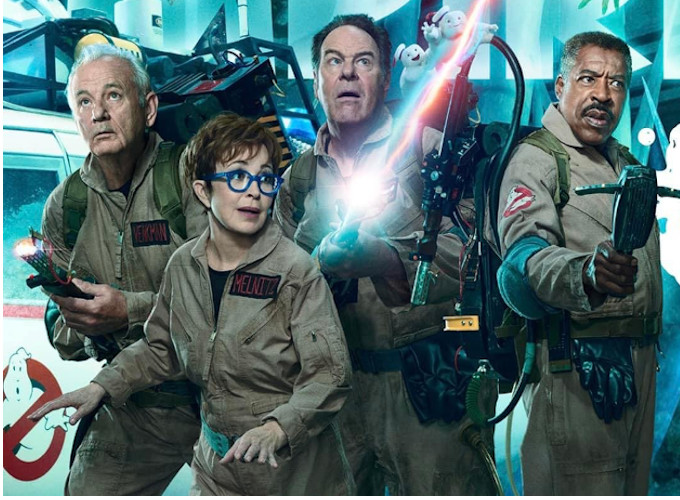
- Ghostbusters Afterlife 2021, 32 years after the original films
- Halloween 2018, 41 years after the original
- Top Gun Maverick 2022, 36 years after the original
- Child’s Play 2019, 28 years after the original trilogy
- Mad Max: Fury Road 2015, 30 years after the original trilogy
- Pet Sematary 2019, 27 years after the original films
- Blade Runner 2049 2017, 35 years after the original
- Hocus Pocus 2 2022, 28 years after the original
- Scream 2022, 11 years after the last film
- Disenchanted 2022, 15 years after the original film
- Beetlejuice Beetlejuice 2024, 36 years after the original film
- Upcoming Gladiator 2 2024, 24 years after original film
- Upcoming This is Spinal Tap 2, 41 years or longer after the original film
This list ignores Disney’s ongoing project to rerelease all their classic animated films in the live-action style -- not to mention that I also cut the list down from an initial 27 entries. This list still is nowhere near exhaustive, and can be continually updated in the coming years.
The most damning piece of evidence that this is not simply some desperate ploy to pull out franchise names is the presence of films that have a cult following, like Hocus Pocus, This is Spinal Tap, and Enchanted. Who is the real target audience for an Enchanted or Hocus Pocus sequel, aside from those who grew up in the 1990s and 2000s and were therefore devotees of these films as children?
However, an appeal to nostalgia comes not only in the zombification of iconic franchises, but it's also being pushed in active franchises. Part of Spider-Man: No Way Home’s greatest allure was the return of Tobey Maguire’s and Andrew Garfield's respective Spider-Men.
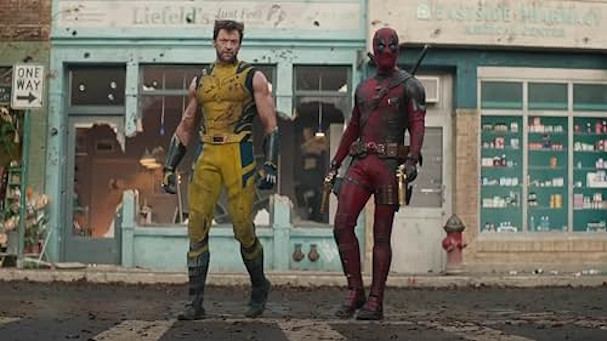
Marvel’s latest and greatest box-office tyrant Deadpool & Wolverine is almost entirely cameos and references to ‘90s and 2000s Marvel films. Not only does it bring back Hugh Jackman’s Wolverine but references Blade, Elektra, Fantastic Four, even Fox, Marvel movies that didn’t get made.
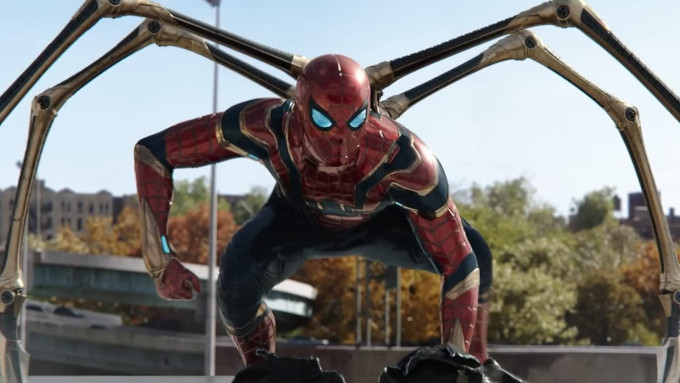
DC’s The Flash made the same play when it brought back Michael Keaton’s Batman, and referenced its own canned Nicolas Cage Superman film.
Star Wars similarly has been pushing content reminiscent of the Clone Wars era of Star Wars with shows like Star Wars: Ahsoka, Star Wars: The Bad Batch, a new final season of the original Star Wars: The Clone Wars animated show.
If we also look at the new franchises being created, many are based on recognizable IPs, and videogames are the latest push, with The Super Mario Bros. Movie, The Last of Us, Halo, Borderlands, Fallout, and The Witcher. The success of these projects has been variable but all of these are proven franchises, the type that have been around long enough for audiences to be sentimental about them.
2017 Data regarding moviegoers cites the largest percentage of moviegoers as 25-to-39-year-olds making up 24% of the audience. 40-to-49-year-olds follow in second at 13%, beating 18-to-24-year-olds at 11%.
Young adult to middle-aged is the target market Hollywood is aiming for. If you think about what media these age groups were consuming 15 years ago when those 25-to-39 year-olds were around 10 to 14, it would be movies like Sam Raimi's Spider-Man trilogy, Fox’s original Fantastic Four movies, cartoons like Star Wars: The Clone Wars, and games like Borderlands 2009, and The Last of Us 2013.
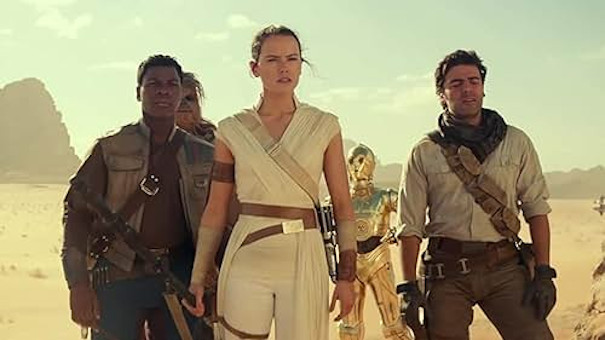
However, there have been significant flops connected to this trend: The subsequent sequels to 2018’s Halloween received increasingly middling reviews; Ghostbusters 2016 largely flopped; and the Borderlands film was essentially dead on arrival.
Yet, there have also been massive successes. Ghostbusters Afterlife has been widely praised by fans holding a 94% fan score on Rotten Tomatoes; Top Gun Maverick has a better Rotten Tomatoes score than its original film in both categories; and the Jurassic World films were some of the highest grossing in the 2010s.
It's hard to decry nostalgia trend as it has created many good films: Mad Max: Fury Road, Blade Runner 2049, and Creed, for example, are critically acclaimed. However, at what point does it become too much?
Does the punchline of poking fun at these kinds of films mean much in Scream 2022 when you make Scream VI? Does bringing Wesley Snipes or Jennifer Garner back in Deadpool & Wolverine make up for the plot of that film being an excuse to string jokes, references, and set pieces together?
As much as people like to complain about unoriginality in Hollywood, we laud these films with praise and money. Audiences are perhaps hypocritical, and the continuing nostalgia trend is the perfect evidence of this. Never have the accusations of Hollywood’s laziness and recycling ceased, yet now more than ever, the most derivative works are among the most celebrated.
Hollywood is not the only one with a nostalgia epidemic. We viewers are also to blame.
Author Bio:
Garrett Hartman is a contributing writer at Highbrow Magazine.
For Highbrow Magazine