


I was walking in a shopping mall the other day when Muzak overhead played Paul McCartney’s wistful “Yesterday.”
Whenever I hear those lyrics: “Yesterday, all my troubles seemed so far away,” I often stop to contemplate my own experiences in life, good and bad.
Listening to my French teacher in high school was the first time I ever heard the name Beatles spoken out loud, and he wasn’t talking about insects.
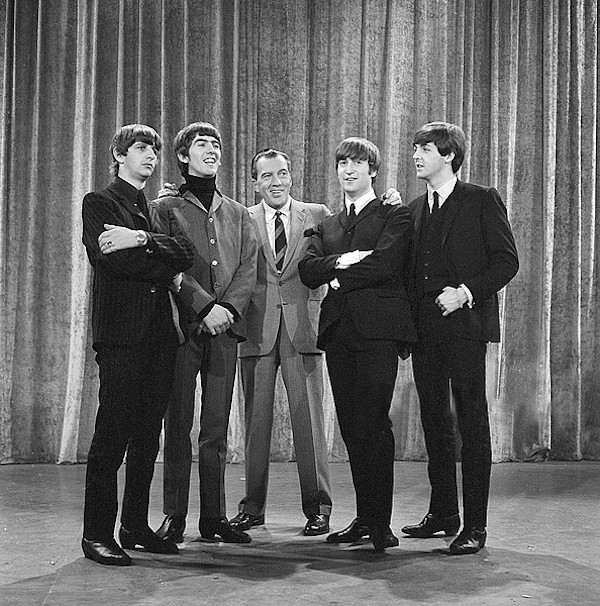
This worldly teacher, Mr. Goucher, told us mostly unworldly students about a rock group taking England by storm. TV viewers in America, he said, should prepare to see pandemonium in the audience when they play that Sunday night, February 9, 1964, on the Ed Sullivan Show.
Like millions of others, I tuned in to see live, in black and white, four chaps with funny-looking hairdos wearing suits and ties.
I grew up in conservative middle-America -- Indianapolis, Indiana -- and Hoosiers like me looked upon the British, if we thought about them at all, as high-society, sophisticated, snooty types. If nothing else, hadn’t we won our independence from England back in 1783? Who were these invaders returning to reconquer America?
The four blokes playing pop tunes like “Love Me Do” and “I Want To Hold Your Hand” with their longish hair flying around didn’t seem to match the British stereotype. The consensus appeared to be that by the next year, the Fab Four would be the Four Has-Beens. Even the Beatles themselves were said to wonder how long this phenomenon called Beatlemania could last.
As a teenager full of angst about my place in the world, if I even had one, the Beatles allowed me to escape myself in marveling at composing their own songs, their expertise in playing guitars and drums, and seemingly a carefree attitude about life.
Despite their humble origins growing up in working-class Liverpool, nothing could hold them back, even as sophisticated Londoners looked down their noses at these lads from the supposedly uncouth British north country. Their fantastic commercial success was something as a teenager I could dream about for myself either in music or some other still-to-be-determined pursuit.
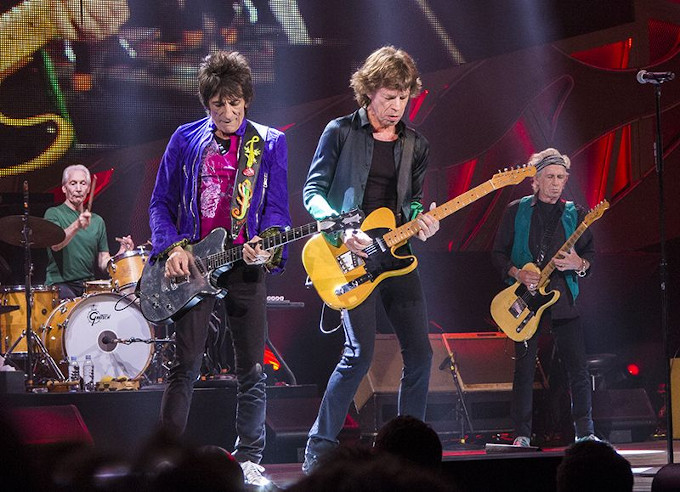
As we all know, another English rock group, the Rolling Stones, eventually rivaled the Beatles in becoming the idols of the young and not so young. They sang more earthy hardcore, blues-oriented tunes like “Satisfaction” and “Under My Thumb.”
My friend, Dave, a native of Manchester, England, liked the Rolling Stones more than the Beatles, who were often considered “cuddly pop stars.” Dave said the “edgy, dangerous” Stones appealed to his own struggles in a class-oriented society where the country’s socio-economic policies overwhelmingly favored the rich to attend the most prestigious universities such as Oxford and Cambridge, which provided a leg up to those already born to wealth and privilege.
Meanwhile, kids from the hardscrabble areas of cities like Dave’s native Manchester were mostly relegated to a lifetime of oblivion in menial jobs that didn’t require higher education. As Dave put it, the Beatles were the establishment, the Stones the anti-establishment.
The two groups, although rivals, also were friends. In fact, McCartney and John Lennon wrote “I Wanna Be Your Man” for the Stones, which became #12 on the British billboard chart and from there, the Stones rocketed to riches.
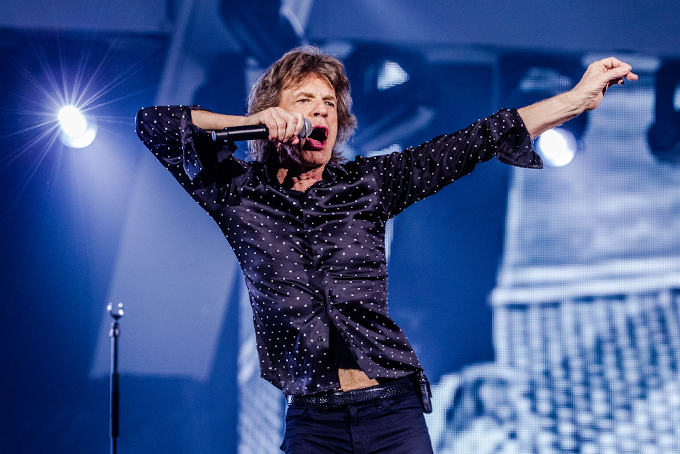
While Mick Jagger danced on staged provocatively, the Beatles stood there like a “stone wall,” as the U.S. radio host Howard Stern put it.
In his book Beatles vs. Stones, author John McMillian emulated what my friend Dave said. The Beatles, McMillian wrote, were “lovable,” while the Stones were the “bad boys.” McMillian quoted a great quip from the journalist Tom Wolfe who said, “The Beatles want to hold your hand, but the Stones want to burn down your town.”
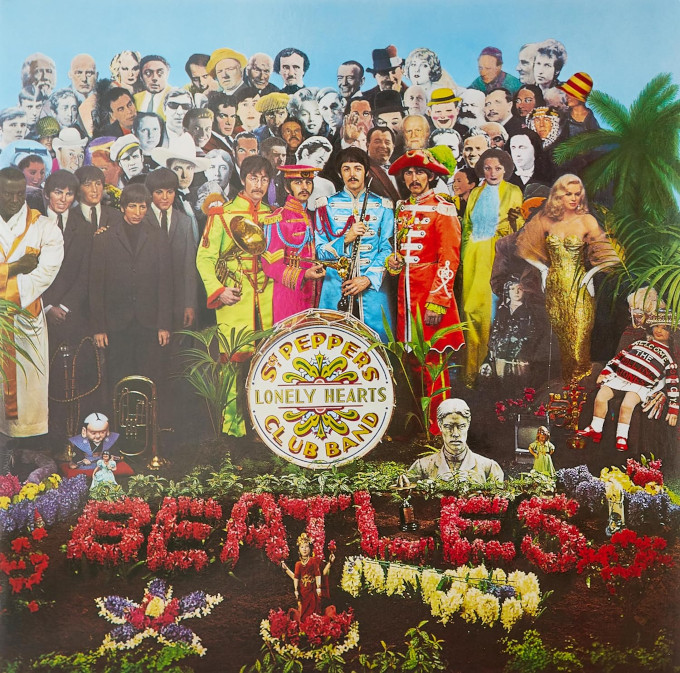
Even though I fantasized at the time that I was a teenage rebel, the safer Beatles were tops for me. Their classic 1967 album, Sgt. Pepper’s Lonely Hearts Club Band, was hailed as innovative and what we pretentiously called “deep.”
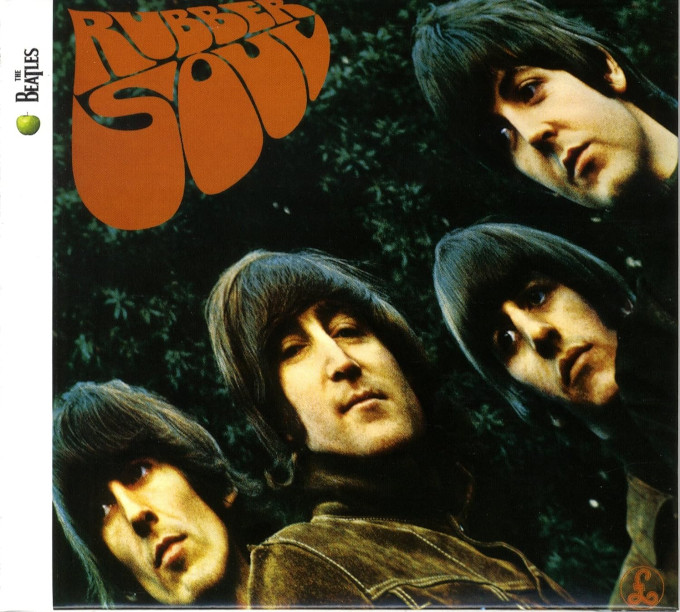
My favorite Beatles album, however, is Rubber Soul, released in 1965. I always remember my college roommate, Ralph, one of my school’s so-called “hippies,” climbing in a big carton box with his girlfriend whenever “Norwegian Wood” played on the turntable. Though someone might have considered him daft, Ralph said sitting in the box while listening to the song represented his escape from society’s strictures.
In regards to “Yesterday,” released in 1965 about lost love and nostalgia, the now 81-year-old McCartney said it started as something he heard in his dreams. He originally thought he must have heard the song elsewhere. He first called it “Scrambled Eggs” until he came up with the lyrics and title that some music critics label as the greatest song of the 20th century.
Music lovers today have their Taylor Swifts, Ushers, Beyoncés, and what not, and that’s all well and good. Each generation has their favorites. But us youths in the 1960s will remember watching the Beatles for the first time on the Ed Sullivan Show like it was only yesterday.
Author Bio:
Eric Green, a Highbrow Magazine contributor, is a former newspaper reporter, U.S. congressional press aide, English-as-a-second-language teacher, and now a freelance writer in the Washington D.C. area. His articles have appeared in various newspapers and websites, including the Washington Post and Baltimore Sun.
For Highbrow Magazine
Photo Credits: Depositphotos.com; Wikimedia Commons; Jim Pietryga, Wikipedia Commons.

