
Category

News & Features

The Illegal Background Check Boom

By Kai Wright

Rivera is part of an uncounted population of formerly convicted or incarcerated people trying to find work in a hostile economy. They are failing, by and large, thanks to the illegal but still widespread practice of employers rejecting applicants or firing workers solely because they have criminal records. A growing movement is pushing states to “ban the box,” or more closely regulate when and how employers can ask about criminal records on job applications. 

Cell Phone Initiative Helps Latinas Battle Health Issues

By Dani McClain

Every few days, text messages like these pop up on the phones of more than 1,000 women in Fresno County, in California’s Central Valley. The messages come in Spanish, alternately offering referrals for affordable healthcare and domestic violence services, legal tips and affirmations. Any resource offered via text has been vetted by a team of women behind the project, called Únete Latina, to confirm that providers there speak Spanish and won’t ask for a Social Security number.

How San Francisco Went From Bohemian Enclave to Home of the Uber-Rich

By Andrew Lam

According to a new study by the real estate website, Trulia, San Francisco ranks second in the nation among cities with the highest income gap. And, my hometown also tops the list of cities with the most expensive price for homes per square feet. Business Insider reports that a million dollars will buy about a 1,500-sq-foot home in San Francisco. That amount in Boston, which ranked second, would fetch a 2,092-sq-foot home. 

In Praise of Jury Duty

By Hal Gordon

The fact is that much of the time jurors are mere pawns in a game of chicken between opposing lawyers. Which side will cave first? In a criminal case, it’s a question of whether the prosecution or the defense will be the first to offer a plea bargain that the other can accept. In a civil case, it’s whether the plaintiff or the defendant will be the first to offer a settlement congenial to both.

Ukraine's Wounded Land in Czech Hospitals

By Zdenek Kratochvil

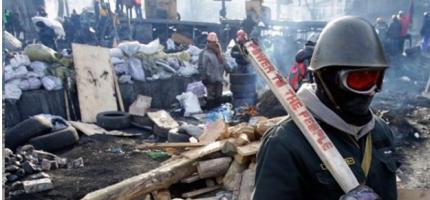
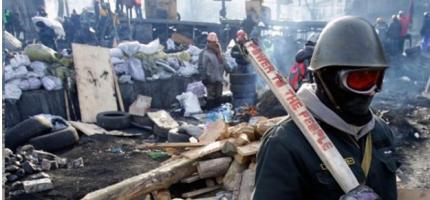
The Czech Republic has evacuated dozens of Ukrainians wounded in clashes in Kiev, Urkaine in February and March. After violent protests around Feb. 18, critically-injured victims were air-lifted to Prague hospitals. The Czech Ministry of the Interior and the country´s army collaborated on a special program called Medevac – Medical Evacuation. Founded in 1993 the program was created in order to help with emergency transport of wounded people from abroad. Medevac´s misison is to provide health care to people in critical condition or life-threatening situations. 

What Are the Benefits of U.S. Citizenship Exactly?

By Susan E. Reed

For example, Medicare, the federal health care program for people ages 65 and older, requires certain Lawful Permanent Residents to pay an expensive premium, depending on their work history and length of residence. Naturalization ensures access to Medicare on the same basis as all other Americans. The same is true of Supplemental Security Income (SSI), a public program that pays benefits to disabled adults and low-income children. Lawful Permanent Residents who came to the United States in refugee status may receive SSI regardless of work history or length of residence, but generally only for seven years. 

How Corruption Stymies Economic Growth and Sparks Unrest

By Mark Goebel

Recent impressive growth notwithstanding, corruption also threatens to hold back India’s and Brazil’s drive to join the ranks of the world’s developed countries, and has brought Venezuela and Ukraine to the brink of political collapse. Even China, this century’s economic star, is being handicapped in its long-term quest to overtake the U.S. economically by corruption, so much so that China’s new supreme leader, President Xi Jinpang, has made stamping it out one of the main priorities of his time in office.


The Rise and Fall of Bitcoin

By Jay Rooney

Bitcoin’s origins are murky. Some speculate it was created in response to the 2008 recession, promising anonymity and escape from regulation, monetary policy and central banking authorities. These promises made it particularly alluring to Silicon Valley libertarians - as well as drug dealers, Ponzi schemers, and other unscrupulous types. The virtual currency is stored on individual users’ computers and devices or on online repositories, in “digital wallets,” and like cash, can be transferred directly to other users.