
Category

News & Features

How the Supreme Court Obamacare Ruling Helps Millions of Americans

By Viji Sundaram

In a 6-3 ruling handed down by the high court Thursday, the justices said that the 8.7 million people like Richardson who are currently receiving subsides to make heath insurance affordable on the exchange will continue receiving it no matter where they live. The ruling was a resounding affirmation of Congress’ intention of subsidizing insurance coverage under ACA.
It’s Time to Take Down the Confederate Flag

By Earl Ofari Hutchinson

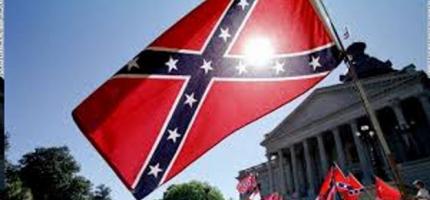
A year ago Romney, Bush, and Haley would not have dared say the flag must go. In fact, Haley vigorously defended the flag waving proudly at the state house during her reelection bid in 2014 and flatly stated before that the flag should stay. The hideous Charleston church massacre and the loud clamor again by civil rights activists and a wide swath of the public to dump the flag explains their sharp reversal. 

Why Doesn’t South Carolina Have a Hate Crime Law, Given Its Past?

By Daniel Rivero and Collier Meyerson

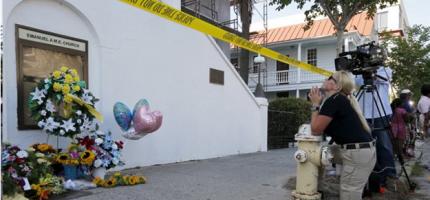
“I do believe this was a hate crime,” Charleston Police Chief Gregory Mullen told reporters. The comments were applauded by observers glad to see authorities not mincing words when talking about the mass shooting. The FBI and the Department of Justice quickly announced that they have opened up a hate crime investigation for the shooting. The only issue is: South Carolina is one of only five states in the nation that doesn’t have a hate crime law on its books.

The Complicated Nature of Sexual Assault in Professional Sports

By Rebekah Frank

The list of athletes who have been accused of assaulting women is, sadly, long. Senator Claire McCaskill, during a Senate Commerce Committee hearing in July 2014, brought up a report that said that more than 20 percent of NCAA member institutions give oversight to athletic departments in sexual assault allegations involving student-athletes. In the same report it stated that 13 student-athletes accused of sexual assault in the previous year simply transferred schools and continued to play at other universities.  

Hillary Clinton, a Champion of Voting Rights

By Rev. Jesse L. Jackson

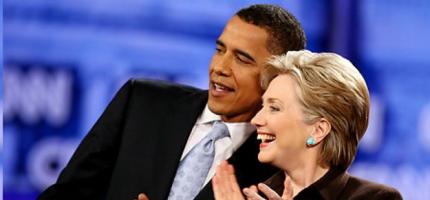
Arguing that every citizen should have the right to vote, Clinton argued the common sense position that we should do what we can to make voting easier, not make it harder. She called for restoring the Voting Rights Act, to ensure pre-screening of election law changes that potentially discriminate against classes of voters. She embraced the bipartisan presidential commission recommendations for expanding early absentee and mail voting and for ensuring that no one waits more than 30 minutes to cast a vote.

The Temptation of the Intellectuals: LBJ and the 1965 Festival of the Arts

By Mike Peters

The Festival takes place at a critical and turbulent time in modern American history. In a society increasingly marked by division and conflict, due initially to the struggle for Civil Rights and then to the slowly gathering campaign to stop the War, the US Administration is keen to ensure that alternative voices to the those on the radical Left can be heard. For although Lyndon Johnson, from taking office in 1963, has been  a reforming president, introducing large-scale social programs to alleviate poverty, end racial discrimination and improve educational opportunity, he is in danger, as a result of his military interventions in Vietnam.

Are ‘Food Deserts’ a Myth or Simply Misidentified?

By Angelo Franco

The U.S. Department of Agriculture (USDA) defines a food desert as a low-income community in which the nearest supermarket is at least one mile away from a populated zone. This infers that zones deemed “food deserts” would have  limited access to healthy foods without the burden of inherent hardships, such as ownership of car or access to public transportation to reach the nearest supermarket. 

How to Rid America of the Problem of Plastic Bags

By Joe Baker

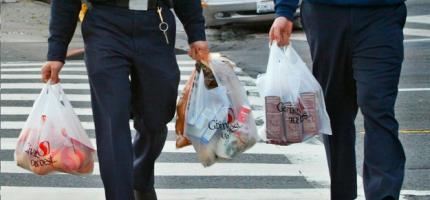
How often do you visit the supermarket? Research indicates that the average American consumer takes home almost 1,500 shopping bags a year. The U.S., as a whole, goes through 100 billion single-use plastic bags annually; worldwide, the number reaches over one trillion. It gets worse: less than 5 percent of plastic grocery bags are recycled within the U.S. That's a huge problem because the high-density polyethylene used to make them can take more than 1,000 years to degrade.