Category

News & Features

Obama v. Romney: Impressions of the Presidental Debate

By NAM Contributors

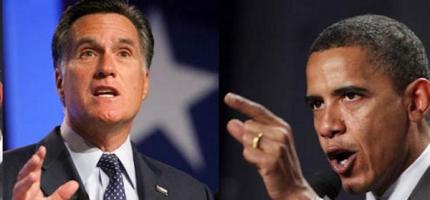
When the first presidential debate was televised in September of 1960, Americans chose Jack Kennedy over the more knowledgeable Richard Nixon mainly because Nixon's upper lip was sweaty and Kennedy looked gold-dusted in an expensive suit and he seemed serene. (Kennedy wore make-up; Nixon refused it.) Presidential debates, ever since then, have been about who "looks" more presidential or makes the snappier zinger or doesn't look bored (by glancing at his watch). 
Shell Oil Urges Supreme Court to Deny Torture Victims Justice

By Bashe Yousuf

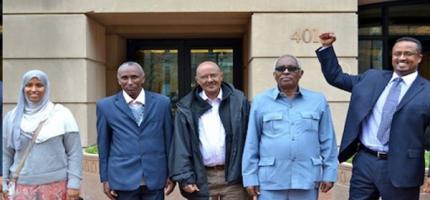
Will victims of distant genocides and crimes against humanity be allowed to continue using U. S. courts to seek justice against their persecutors, as well as the individuals and corporations that helped facilitate human rights violations across the globe? In a case before the U.S. Supreme Court, Shell Oil is sending a shocking message: victims of mass atrocities should have no standing in our nation’s courts. 

Thousands Plea to Add Climate Change to Presidential Debates

By Jason Plautz

Aside from Mitt Romney's recent jab at Barack Obama's concern over global warming—and the president's tit-for-tat response—climate change has been largely under the radar in the campaign. But several groups, backed by hundreds of thousands of petitions, are trying to change that, at least for one night. Nine environmental organizations Friday delivered more than 160,000 petitions to Jim Lehrer urging him to ask a question about climate change during Wednesday's first presidential debate. 

1 in 3 Asian-American Voters Remains Undecided

By Khalil Abdullah

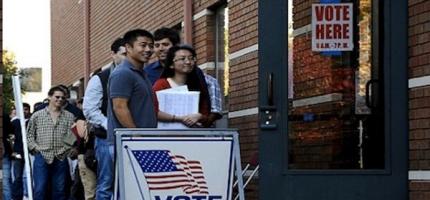
Asian Americans have been trending Democratic in their voting patterns but remain highly independent in party allegiances, according to a newly released survey. In 1992, less than one-third of Asian Americans for the Democratic presidential candidate but more than two-thirds voted for Obama in 2008. Today, 33 percent now identify themselves as Democrats, 14 percent are Republicans, and two percent cite some other affiliation. The other 32 percent of likely voters remains undecided in their choice for president.

‘Show Me Your Papers’ Enforcement Looms Over Immigrants in Arizona

By Valeria Fernandez

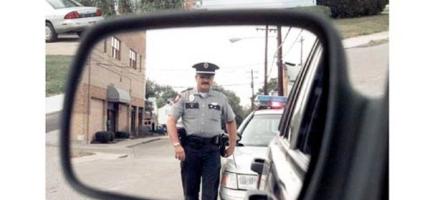
On September 18, over the pleas of civil rights groups, U.S. District Court Judge Susan Bolton lifted an injunction on the “papers please” provision, siding with a recent U.S. Supreme Court ruling. This means, police in Arizona now are required to inquire about a person’s immigration status if they have reasonable suspicion they are in the country illegally. Police could face lawsuits if they fail to enforce the law to the fullest extent.

From Salman Rushdie to Sam Bacile: Why Fanatics Are Easily Offended

By Sandip Roy

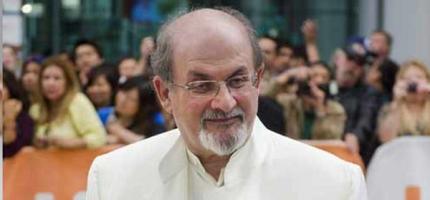
A mysterious man in California hires a soft porn director and tricks some low-rent actors into making a trashy movie about the Prophet Muhammad. Now an Iranian foundation ups the price on Salman Rushdie's head saying that if he had been killed earlier for blasphemy, this newest anti-Islam film would never have been made. We are expected to believe that Salman Rushdie is the slippery slope that has led to Sam Bacile. The logic is so ludicrously tortured that it should be the butt of jokes. Instead it turns deadly serious and leaves a US ambassador and others dead in Libya and a gathering storm of mobs from Pakistan to Yemen.

India Considers Legally Compensating Women For Household Chores

By Sandip Roy

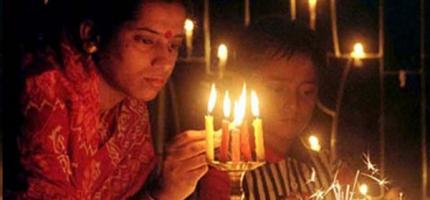
A very well-intentioned Krishna Tirath, India’s Minister for Women and Child Development, wants to introduce a bill that would require women to be legally compensated by husbands for house work. Yes, we are talking about a monthly salary, paid out of their own salary by the husbands. “A majority of women in India are involved in household chores after getting married but they do not get any salary for it,” Tirath told the Indian Express. “The socially accepted behavior becomes a tragedy when a woman gets divorced or widowed when she is left with nothing for survival."

A Look Back at Occupy Wall Street

By Andrew Lam

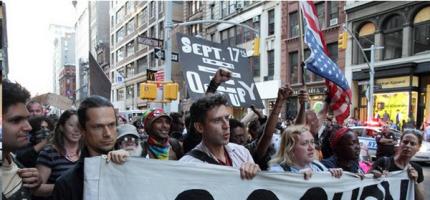
It was certainly far from being a revolution; it looked more like a collective revulsion at the wealthiest Americans, as the middle class watches its assets dwindle along with its fantasy of ever joining the ranks of the 1 percent. What did they want? Their fair share, more regulation on a system that's seemingly rigged to benefit the uber-rich, a crash diet for the fat cats who own Washington and leave the rest far, far behind. They want the promise of opportunities and upward mobility, which now seem to have faded to the far side of the moon.